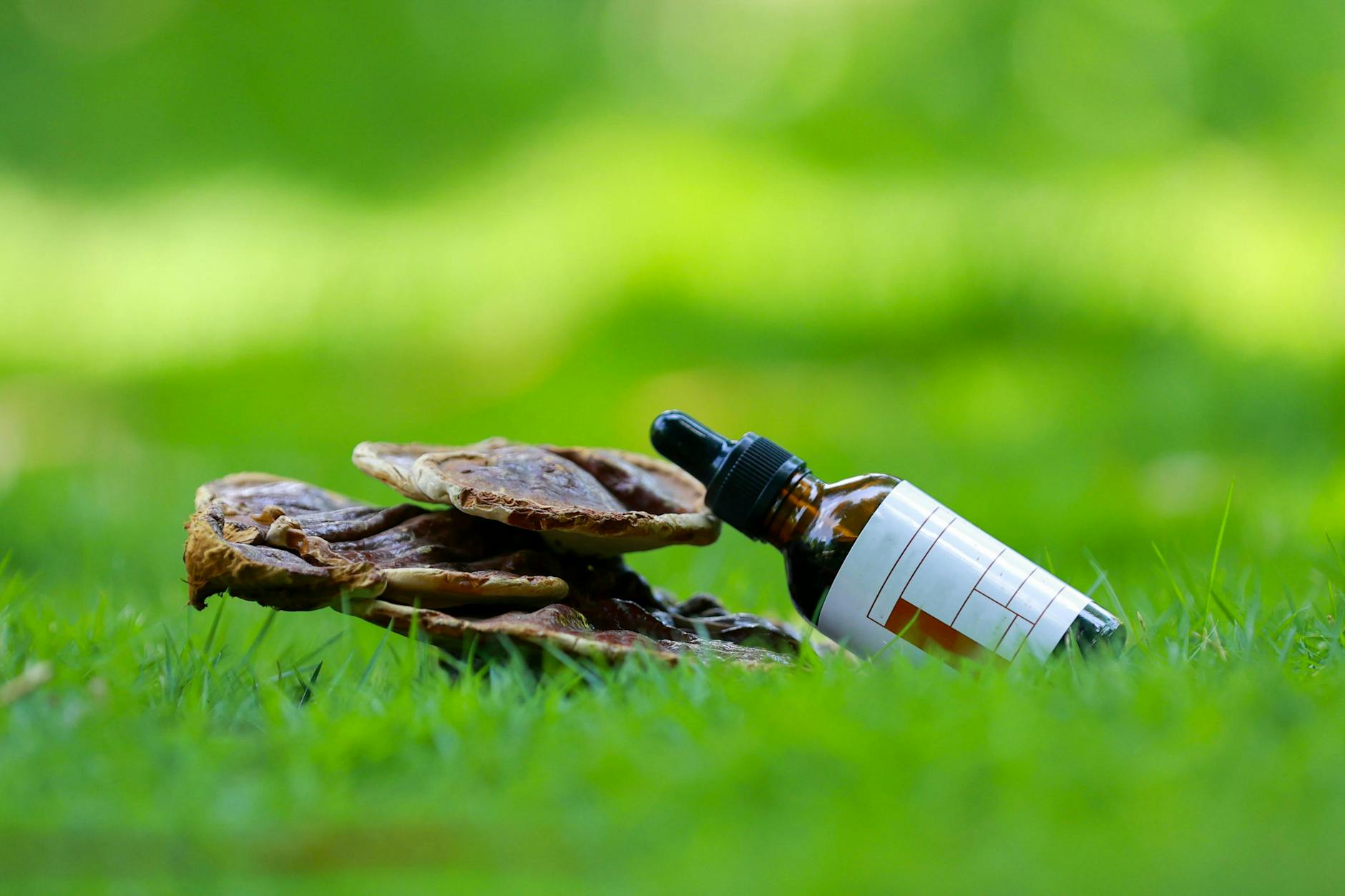
Walk into any supplement store and you will find mushroom products in three primary forms: liquid tinctures, capsules, and powders. Each format has real differences in how active compounds are extracted, how they are stored, and how they are processed by the body. Understanding these distinctions can help consumers make more informed choices rather than simply reaching for the most convenient option.
What the Label Does Not Always Tell You
Before comparing formats, it helps to understand what functional mushrooms actually contain. Two major categories of bioactive compounds drive most of the research: polysaccharides (including beta-glucans, which support immune function) and triterpenes (fat-soluble compounds studied for their anti-inflammatory and adaptogenic properties). These two compound classes require fundamentally different extraction conditions. Polysaccharides are water-soluble and typically released through hot water extraction. Triterpenes are largely insoluble in water and require an alcohol solvent to concentrate effectively.
This chemical reality sits at the heart of the tincture versus capsule versus powder debate. Before choosing a form, it is worth asking: which compounds does this product actually contain, and was the extraction method suited to capturing them?
For a deeper look at what supplement labels are required to disclose and what they leave out, see our guide to reading a mushroom supplement label.
Tinctures: Dual Extraction and Concentrated Compounds
Liquid tinctures are typically produced through a dual-extraction process: first a hot water extraction to capture polysaccharides, then an alcohol extraction (usually ethanol at 50 to 70%) to concentrate triterpenes. The two fractions are then combined into a single liquid. When done correctly, this process can yield a product that captures a broader spectrum of bioactive compounds than a single-solvent approach.
Research published in the International Journal of Medicinal Mushrooms compared hot water and ethanol extracts from two Ganoderma species and found that hot water extracts produced higher polysaccharide content and antioxidant activity measured by certain assays, while ethanol extracts contained significantly more ganoderic acids (the primary triterpenes in reishi) and showed stronger antidiabetic effects in vitro.[1] The study concluded that ganoderic acids, not polysaccharides, appeared to drive certain biological effects, suggesting that a product relying solely on hot water extraction may not deliver the full range of compounds associated with this mushroom.
The practical limitation of tinctures is that they typically contain some amount of alcohol, which may be a concern for individuals who avoid alcohol for personal, medical, or religious reasons. Concentration can also vary widely between products, and liquid measurements require more careful dosing than pre-measured capsules.
Capsules: Convenience With Extraction Caveats
Encapsulated mushroom products are the most widely sold format. They divide into two broad subcategories: whole mushroom powder capsules (ground dried fruiting body or mycelium with no extraction step) and extract capsules (where a hot water or dual extraction has been performed before drying into a powder and encapsulating).
Whole powder capsules may appeal to consumers looking for a minimally processed product, but the polysaccharides in raw mushroom material are partly locked inside the chitin-rich cell walls of the fungus. Chitin is largely indigestible by human enzymes, which raises questions about how much active material is actually released during digestion compared to an extracted product. Extract capsules address this by breaking down the cell wall during processing, concentrating active compounds in a more bioavailable form before encapsulation.
A 2020 study on Ganoderma lucidum used ultrasonic-assisted co-extraction to simultaneously capture both polysaccharides and triterpenoids, finding that an aqueous ethanol solvent (50% v/v) at elevated temperature produced extraction yields superior to traditional hot water extraction alone for polysaccharides.[2] This type of research is directly relevant to what ends up inside an extract capsule: the extraction conditions used by manufacturers will influence the final compound profile of the product, regardless of the delivery format.
Standardized extract capsules will often list a beta-glucan percentage on the label, which provides some basis for comparison. However, not all labs use the same testing method, and some figures may reflect total polysaccharide content rather than beta-glucan specifically, which can artificially inflate numbers.
Powders: Versatility and Formulation Considerations
Loose mushroom powders occupy a middle ground. Like capsules, they may be either whole mushroom powder or a dried extract powder, and the same extraction caveats apply. The main practical difference is flexibility: powders can be mixed into coffee, smoothies, soups, or food, which appeals to consumers who prefer not to swallow capsules or who want to incorporate mushrooms into existing routines.
One consideration with loose powders is stability. Moisture exposure and heat can degrade active compounds over time, particularly polysaccharides. Properly stored powders in sealed, opaque packaging will retain more of their potency than products left open or exposed to humidity. For this reason, storage practices matter as much as the format itself.
Some powders are also produced from mycelium grown on grain substrates (commonly oats or rice). If the final product is not separated from the grain, a portion of the material in the package may be grain starch rather than fungal material. Beta-glucan testing can help distinguish fungal beta-glucans from grain-derived ones, but this level of detail is rarely disclosed on standard product labels.
Which Format Is “Best”?
There is no single answer that applies to every consumer or every mushroom species. Several factors are worth weighing:
- Target compound class: If triterpenes are the priority (as they may be for reishi-specific applications), an alcohol-containing tincture or dual-extract product may offer a more complete profile. If polysaccharides are the focus, a hot water extract in any format may suffice.
- Alcohol tolerance: Individuals who cannot consume alcohol should choose capsules or powders made from extracted, non-alcohol-based products.
- Transparency and testing: Regardless of format, products with third-party certificates of analysis that report both beta-glucan content and absence of heavy metals and microbial contaminants provide better assurance of quality.
- Practicality: Capsules offer precise, pre-measured doses and are easy to travel with. Powders offer flexibility. Tinctures can be dosed quickly but require a dropper and a measured approach.
Ultimately, the form is secondary to the quality of the extraction and the integrity of the source material. A well-made capsule from a standardized hot water and alcohol extract may outperform a poorly processed tincture, and vice versa. Asking manufacturers for their extraction methodology and third-party testing data remains one of the most reliable ways to assess any format.
References
- [1] Tang X, Cai W, Xu B. Comparison of the Chemical Profiles and Antioxidant and Antidiabetic Activities of Extracts from Two Ganoderma Species (Agaricomycetes). Int J Med Mushrooms. 2016;18(7):609-20. PMID: 27649729
- [2] Zheng S, Zhang W, Liu S. Optimization of ultrasonic-assisted extraction of polysaccharides and triterpenoids from the medicinal mushroom Ganoderma lucidum and evaluation of their in vitro antioxidant capacities. PLoS One. 2020 Dec 31;15(12):e0244749. PMID: 33382761
This article is for informational purposes only and does not constitute medical advice. Always consult a qualified healthcare provider before starting any supplement.