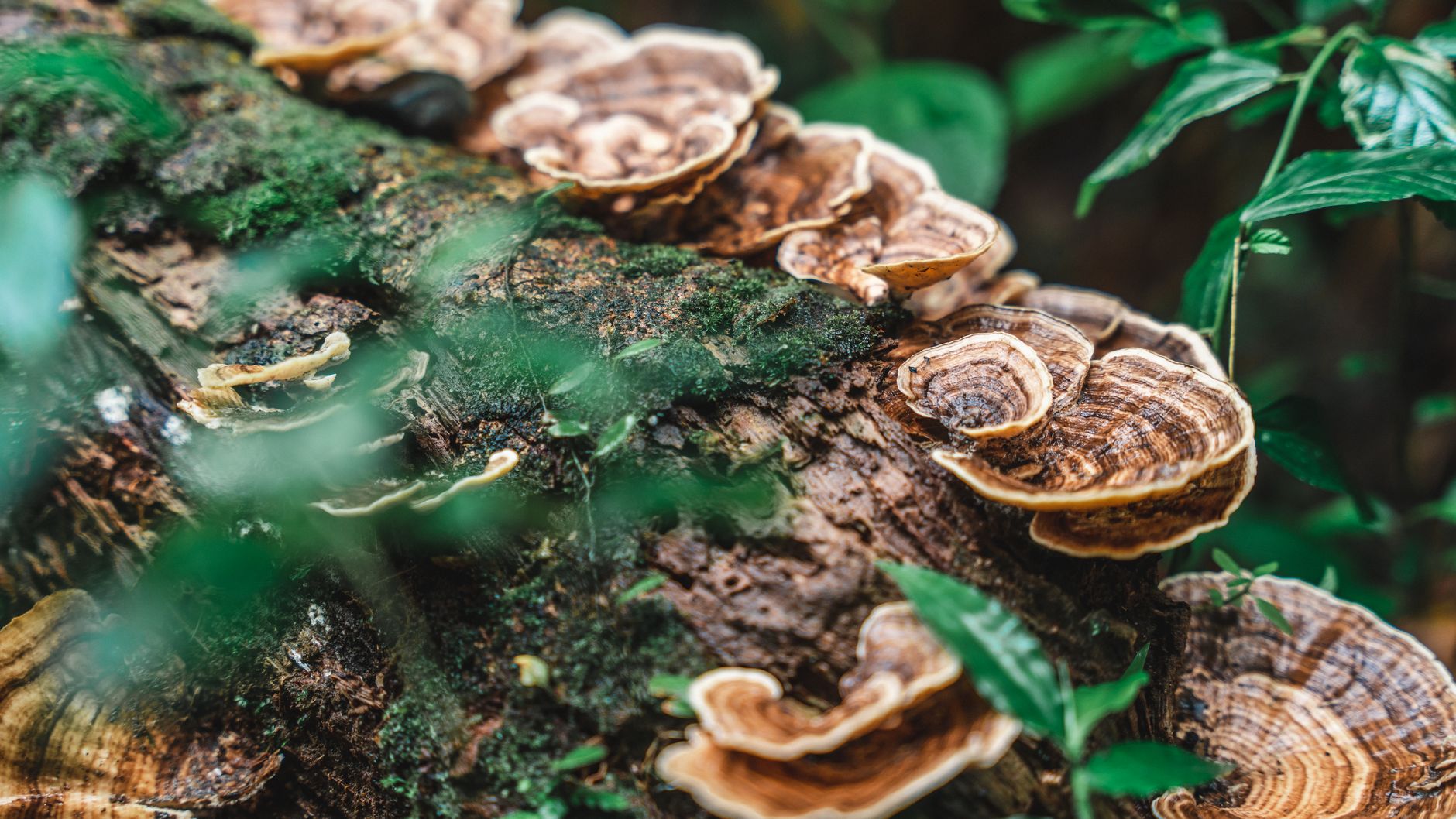

Maitake mushroom (Grifola frondosa), sometimes called “hen of the woods,” has been used in Japanese and Chinese traditional medicine for centuries. In recent decades, research has begun to examine two of its most discussed potential benefits: supporting healthy blood sugar regulation and modulating immune function. This article summarizes what current evidence suggests, where the science is limited, and what consumers should understand before adding maitake to their routines.
What Is Maitake?
Grifola frondosa is a large, polypore mushroom that grows at the base of oak and other hardwood trees, predominantly in North America, East Asia, and Europe. It is both a culinary ingredient and a source of bioactive compounds, particularly beta-glucan polysaccharides, which are the subject of most contemporary research. The commercially available extract known as “D-fraction” is a concentrated beta-glucan fraction derived from the fruiting body, and it appears frequently in peer-reviewed studies.
Maitake and Blood Sugar Regulation
Several preclinical studies suggest that Grifola frondosa polysaccharides may support glycemic control through multiple mechanisms. A 2020 study published in the Journal of Food Biochemistry investigated purified polysaccharides from G. frondosa (referred to as PGF) in a diabetic nephropathy rat model. The researchers reported that PGF treatment was associated with a significant decrease in fasting blood glucose levels, as well as improvements in kidney function markers, compared to untreated controls.[1]
A follow-up study from 2022 in Applied Biochemistry and Biotechnology examined the same polysaccharide fraction and found that PGF improved glucose tolerance and insulin sensitivity in streptozotocin-induced diabetic mice. The researchers proposed that this effect may involve suppression of the TLR4/NF-kB inflammatory signaling pathway, which has been implicated in insulin resistance.[2]
It is worth noting that these studies were conducted in animal models. Extrapolating these findings to humans requires caution. Blood glucose regulation in people involves complex hormonal and dietary factors, and no large-scale randomized controlled trials in humans have confirmed equivalent effects from maitake supplementation. The existing evidence is mechanistically interesting but preliminary in the context of clinical nutrition.
The SX-Fraction and Insulin Sensitivity
Separate from D-fraction, researchers have studied an extract called SX-fraction (MSX), which is thought to target insulin receptor signaling. A human open-label trial published in the Journal of Alternative and Complementary Medicine explored MSX in patients with polycystic ovary syndrome (PCOS), a condition closely linked to insulin resistance. The ovulation outcomes observed in that trial were attributed in part to the extract’s proposed insulin-sensitizing properties, though the study design did not include a placebo control group and drew conclusions carefully.[3]
In vitro work has also examined how G. frondosa polysaccharides may improve glucose uptake in insulin-resistant cell models by modulating IRS1/PI3K-JNK signaling pathways, further suggesting a plausible biochemical mechanism worthy of continued investigation.[4]
Maitake and Immune Function
The immune-related research on maitake is more developed than the metabolic research, largely because D-fraction has been studied since the 1980s as a biological response modifier. Beta-glucans in general are known to interact with pattern recognition receptors, particularly Dectin-1, on the surface of innate immune cells such as macrophages, dendritic cells, and natural killer (NK) cells.
Beta-Glucan and Immune Cell Activation
A 2015 study in the Journal of Leukocyte Biology demonstrated that soluble beta-glucan from Grifola frondosa (maitake D-fraction) enhanced dendritic cell maturation and IL-12 production in preclinical models. The researchers found that D-fraction acted through the Dectin-1 receptor pathway to promote a T helper 1 (Th1)-dominant immune response, which is associated with cellular immunity against infections and tumors.[5]
Research published in BMC Research Notes in 2022 examined a concentrated maitake beta-glucan formulation (Maitake Pro4X) in immunosuppressed mice. The study found that the compound at the tested dose was able to partially recover depleted CD3+ T cell and NK cell populations in lymph nodes, suggesting a potential immune-restorative effect in the context of pharmacological immunosuppression.[6]
As with blood sugar research, the immune data is largely preclinical. The mechanisms are biologically plausible, but human clinical evidence for immune modulation from dietary maitake supplementation remains limited. Studies in cancer patients treated with D-fraction alongside chemotherapy have shown some signals of immune activity, though methodological limitations prevent firm conclusions.
Nutritional Profile
Beyond its bioactive compounds, maitake is a nutritionally dense food. It contains dietary fiber, B vitamins (particularly niacin and riboflavin), ergosterol (a precursor to vitamin D2 when exposed to UV light), and various minerals including potassium and copper. When consumed as a whole food rather than a supplement, these nutritional contributions are part of a balanced diet context that researchers sometimes note as relevant to interpreting outcome data.
How Maitake Compares to Other Functional Mushrooms
Maitake is frequently grouped with other immunomodulatory mushrooms such as reishi, turkey tail, and shiitake. Its beta-glucan profile is distinct, with the D-fraction fraction being particularly well-studied. For those evaluating functional mushrooms for immune-related goals, understanding how species differ in their specific polysaccharide structures and mechanisms is important. For a broader comparison of mushrooms used specifically for immune support, see our overview of Chaga vs Turkey Tail for Immune Support.
Considerations for Supplement Use
Maitake supplements are widely available in capsule, powder, and liquid extract forms. Key variables that affect quality include whether the product uses the fruiting body or mycelium, the extraction method used to concentrate beta-glucans, and whether a certificate of analysis verifies beta-glucan content. Products standardized to D-fraction or verified beta-glucan percentages are generally preferable to unstandardized whole-mushroom powders if the research-based compounds are the intended target.
Individuals taking medications that affect blood glucose or immune function should consult a healthcare provider before using maitake supplements, as additive effects are theoretically possible based on the mechanisms described in research literature.
Summary
Maitake mushroom contains bioactive beta-glucan polysaccharides that have been studied for their potential effects on blood sugar regulation and immune modulation. Preclinical studies suggest that these compounds may support glucose metabolism and immune cell activity through specific molecular pathways. Human clinical evidence is limited and preliminary, and maitake should not be considered a treatment for any condition. For those interested in functional mushrooms, the existing research on Grifola frondosa represents a developing area of nutritional science with ongoing investigation.
References
- [1] Jiang T, et al. The hypoglycemic and renal protective effects of Grifola frondosa polysaccharides in early diabetic nephropathy. J Food Biochem. 2020;44(12):e13515. PMID 33043487
- [2] Jiang T, et al. Grifola frondosa Polysaccharide Ameliorates Early Diabetic Nephropathy by Suppressing the TLR4/NF-kB Pathway. Appl Biochem Biotechnol. 2022;194(9):4093-4104. PMID 35616773
- [3] Chen JT, et al. Maitake mushroom (Grifola frondosa) extract induces ovulation in patients with polycystic ovary syndrome. J Altern Complement Med. 2010;16(12):1295-9. PMID 21034160
- [4] Chen Y, et al. Structural characterization and antidiabetic potential of a novel heteropolysaccharide from Grifola frondosa via IRS1/PI3K-JNK signaling pathways. Carbohydr Polym. 2018;198:452-461. PMID 30093022
- [5] Masuda Y, et al. Soluble beta-glucan from Grifola frondosa induces tumor regression in synergy with TLR9 agonist via dendritic cell-mediated immunity. J Leukoc Biol. 2015;98(6):1015-25. PMID 26297795
- [6] Aguilera-Braico DM, Balogh GA. CD3 immune restorative ability induced by Maitake Pro4x in immunosuppressed BALBc mice. BMC Res Notes. 2022;15(1):307. PMID 36138418
Disclaimer: This article is for informational purposes only and does not constitute medical advice. The statements on this page have not been evaluated by the Food and Drug Administration. Maitake mushroom products are not intended to diagnose, treat, cure, or prevent any disease. Consult a qualified healthcare provider before making changes to your supplement regimen.