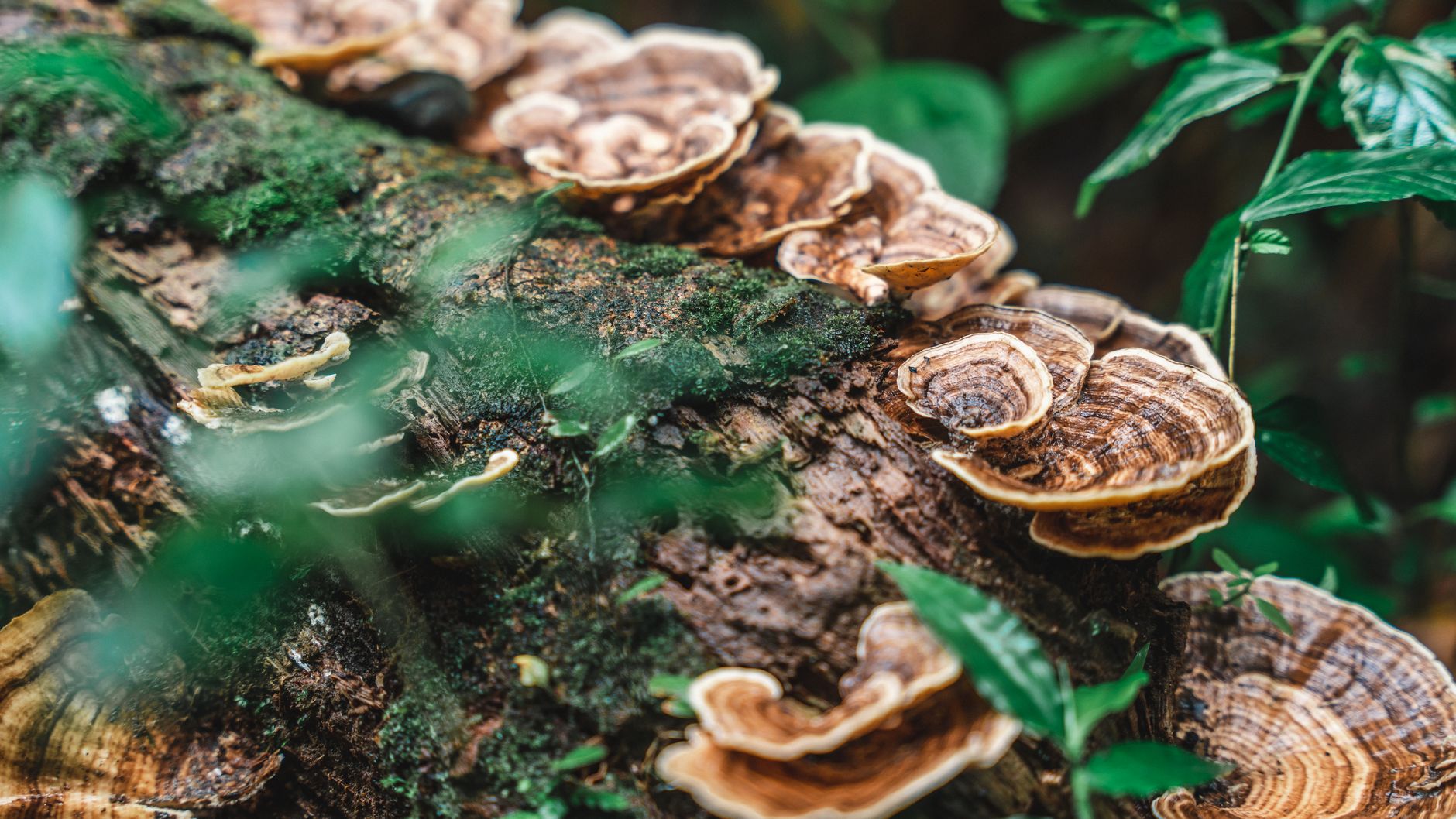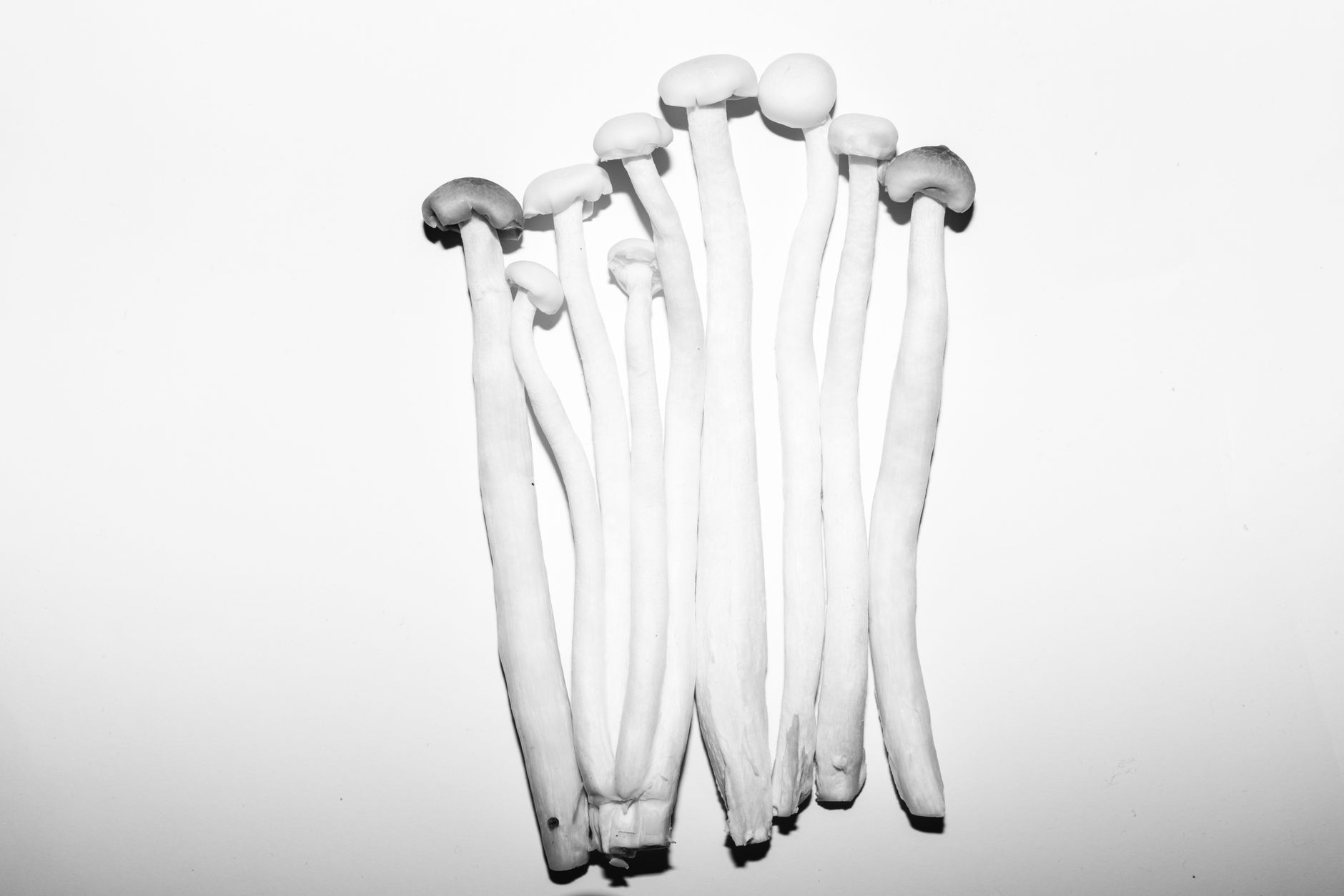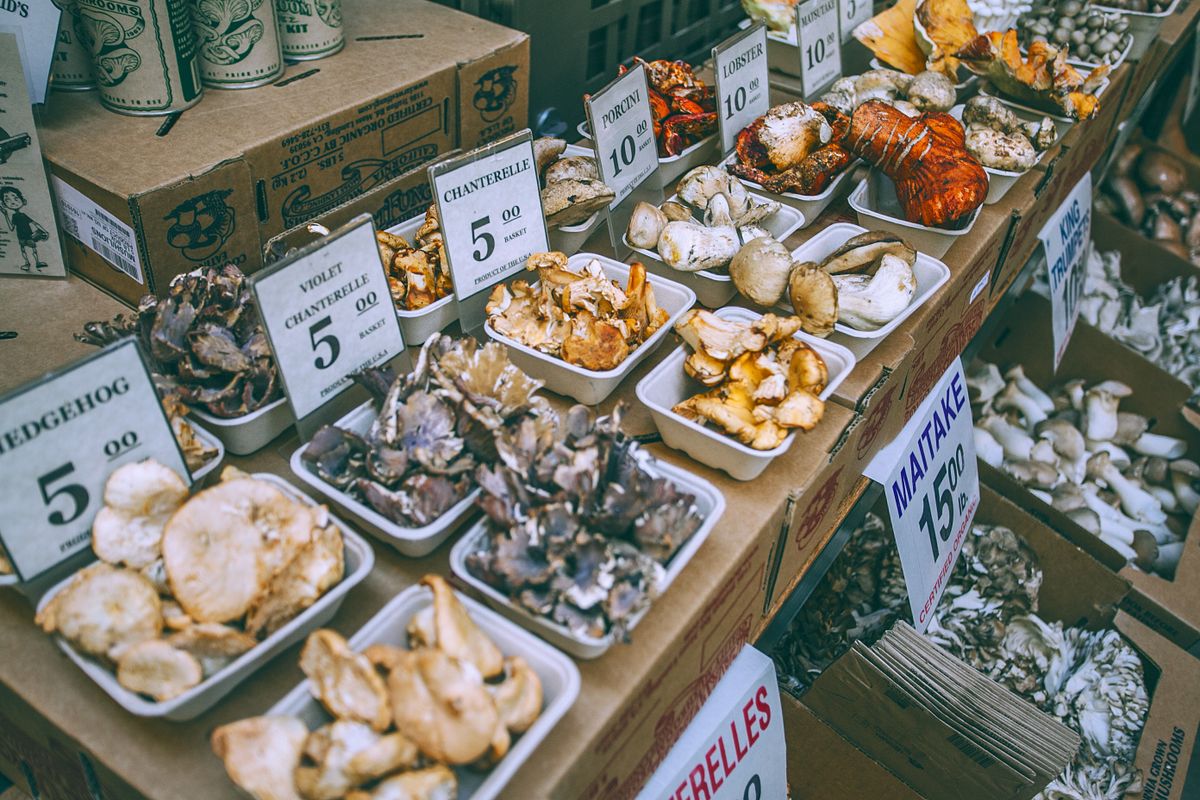
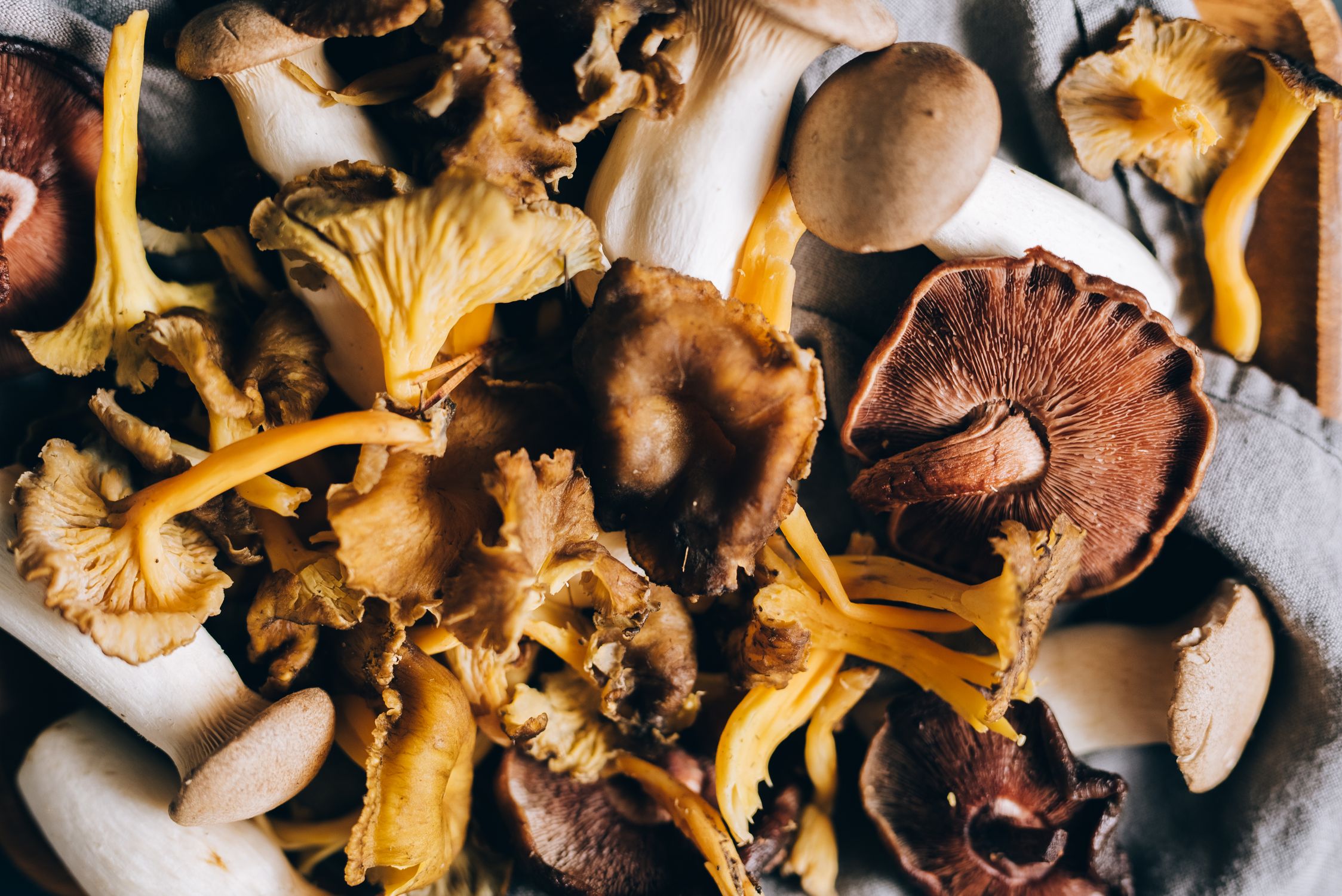
Polyporus umbellatus, known in Traditional Chinese Medicine (TCM) as Zhu Ling, is a parasitic fungus that grows on the roots of deciduous trees across East Asia. While far less well-known in Western markets than Reishi or Lion’s Mane, it carries a substantial history of medicinal use and has attracted a growing body of pharmacological research over the past two decades. This article reviews the traditional applications of Polyporus umbellatus, its primary bioactive constituents, and what peer-reviewed studies indicate about its potential health properties.
Historical and Traditional Context
Polyporus umbellatus has appeared in Chinese pharmacopeial literature for over a thousand years. Traditionally, practitioners used it to promote urinary flow, reduce dampness, and support kidney and spleen function according to TCM frameworks. The sclerotium, or underground storage structure of the fungus, was the part most commonly used in preparations, and it remains the focus of modern research.
Unlike culinary mushrooms such as Shiitake or Oyster, Polyporus umbellatus is primarily valued for its pharmacological properties rather than flavor. It is sometimes combined with other TCM herbs in formulas targeting urinary tract health and edema, reflecting its longstanding reputation as a natural diuretic.
Key Bioactive Constituents
A comprehensive review published in Phytomedicine (2022) catalogued the main chemical constituents of Polyporus umbellatus, identifying polysaccharides and sterols as the primary bioactive classes, alongside secondary compounds including fatty acids, phenols, and small molecule compounds.[1] The review noted that these active substances have been associated with anti-cancer, antibacterial, diuretic, antioxidant, immune-modulating, and hair growth-promoting activities in preclinical experiments.
Polysaccharides and Beta-Glucans
Like many medicinal fungi, Polyporus umbellatus contains beta-glucan-type polysaccharides. These are the compounds most closely studied in relation to immune modulation. Research indicates that Polyporus polysaccharides may interact with immune cell receptors in ways that alter cytokine production, though the clinical significance of these interactions in humans has not yet been established through large-scale trials.
Sterols and Triterpenes
The fungus also contains a class of compounds called polyporusterones, which are triterpene steroids. A 2025 study published in the International Journal of Molecular Sciences examined polyporusterone B, a triterpene carboxylic acid isolated from Polyporus umbellatus, finding that it significantly inhibited LPS-induced production of nitric oxide and pro-inflammatory cytokines, including TNF-alpha, IL-1beta, and IL-6 in macrophage cell models, as well as in a mouse endotoxin model.[2] The researchers identified suppression of NF-kappaB and MAPK signaling pathways as likely mechanisms, though these findings require further validation in human studies.
Anti-Inflammatory Research
One of the more recent areas of investigation involves Polyporus umbellatus polysaccharide (PUP) and its potential effects on chronic inflammatory conditions. A 2025 study published in International Journal of Biological Macromolecules used a collagen-induced arthritis mouse model to examine whether PUP might reduce markers associated with rheumatoid arthritis.[3]
The study found that PUP administration was associated with reduced bone loss, cartilage degradation, and joint edema in treated animals. The researchers also observed changes in gut microbiota composition, particularly increases in certain beneficial bacterial genera, and proposed that PUP’s effects may partly operate through the gut-immune axis. While these preclinical results are informative, they do not confirm similar effects in people with rheumatoid arthritis, and clinical trials would be required to draw any such conclusions.
Immune Modulation and Polysaccharide Activity
Research on Polyporus polysaccharide (PPS) has explored potential immune-modulating properties in oncology-adjacent contexts. A 2021 study in BMC Complementary Medicine and Therapies investigated a homogeneous polyporus polysaccharide (HPP) fraction and its effects on macrophage polarization in a bladder cancer cell model.[4] The researchers found that HPP promoted polarization of macrophages toward the M1 subtype, which is associated with pro-inflammatory and anti-tumor activity, and suggested this as a potential mechanism behind PPS’s reported anti-cancer properties in earlier animal studies.
These findings are early-stage and conducted in controlled laboratory settings. They do not indicate that Polyporus umbellatus supplements can treat or prevent cancer.
Diuretic Properties: Traditional Use and Preliminary Evidence
The diuretic activity of Polyporus umbellatus is among its most historically documented uses in TCM, and it is one of the few traditional claims that has received some preclinical corroboration. Animal studies have found that extracts may increase urine output and affect electrolyte balance, which aligns with its traditional use in addressing conditions like edema and urinary tract issues. However, the mechanisms and clinical applicability in humans have not been formally studied in controlled trials.
For context on how mushroom species can differ substantially in their mechanisms and evidence profiles, see our overview of Cordyceps and immune function.
Safety Considerations and Current Limitations
Polyporus umbellatus is generally classified as a food-grade fungus in East Asian countries and has a long history of oral consumption. Adverse effects are rarely reported in the literature. However, comprehensive human safety data is limited, and individuals taking diuretic medications or those with kidney conditions should exercise caution and consult a healthcare provider before use.
Supplement products containing Polyporus umbellatus vary significantly in extract quality, standardization, and the plant part used. Consumers interested in this fungus should look for products that specify the sclerotium as the source material and disclose polysaccharide or beta-glucan content on the label.
What Remains Unknown
Despite a growing body of preclinical literature, Polyporus umbellatus remains poorly studied in human clinical trials compared to more prominent functional mushrooms like Reishi, Turkey Tail, or Lion’s Mane. Most studies use isolated polysaccharide fractions or single compounds in animal or cell-based models, which limits the direct applicability of results to dietary supplement use. Large-scale, randomized controlled trials in humans are largely absent from the published literature.
Summary
Polyporus umbellatus is an under-researched but historically significant medicinal fungus with a documented record in Traditional Chinese Medicine. Current research suggests that its polysaccharide and triterpene constituents may have anti-inflammatory and immune-modulating properties in preclinical models. Its traditional use as a diuretic has not been fully validated through clinical trials. For those interested in building a broader understanding of functional fungi, Polyporus umbellatus represents a compelling gap between centuries of empirical use and the relatively early stage of modern scientific validation.
References
- He D, et al. Phytochemistry and bioactivities of the main constituents of Polyporus umbellatus (Pers.) Fries. Phytomedicine. 2022;103:154196. PMID: 35667259
- Song D, et al. Polyporusterone B Alleviates Inflammatory Injury via Suppression of Pro-Inflammatory Cytokine Production. Int J Mol Sci. 2025;26(20):9957. PMID: 41155251
- Zheng Z, et al. Polyporus Umbellatus polysaccharide ameliorates rheumatoid arthritis via inhibiting inflammation and regulating gut microbiota. Int J Biol Macromol. 2025;318(Pt 4):145306. PMID: 40527375
- Jia W, et al. Homogeneous polyporus polysaccharide inhibits bladder cancer by polarizing macrophages to M1 subtype in tumor microenvironment. BMC Complement Med Ther. 2021;21(1):150. PMID: 34034714
Disclaimer: This article is for informational purposes only and does not constitute medical advice. Polyporus umbellatus supplements have not been evaluated by the FDA for the prevention, treatment, or cure of any disease. Consult a qualified healthcare provider before starting any new supplement, especially if you take medications or have a health condition.