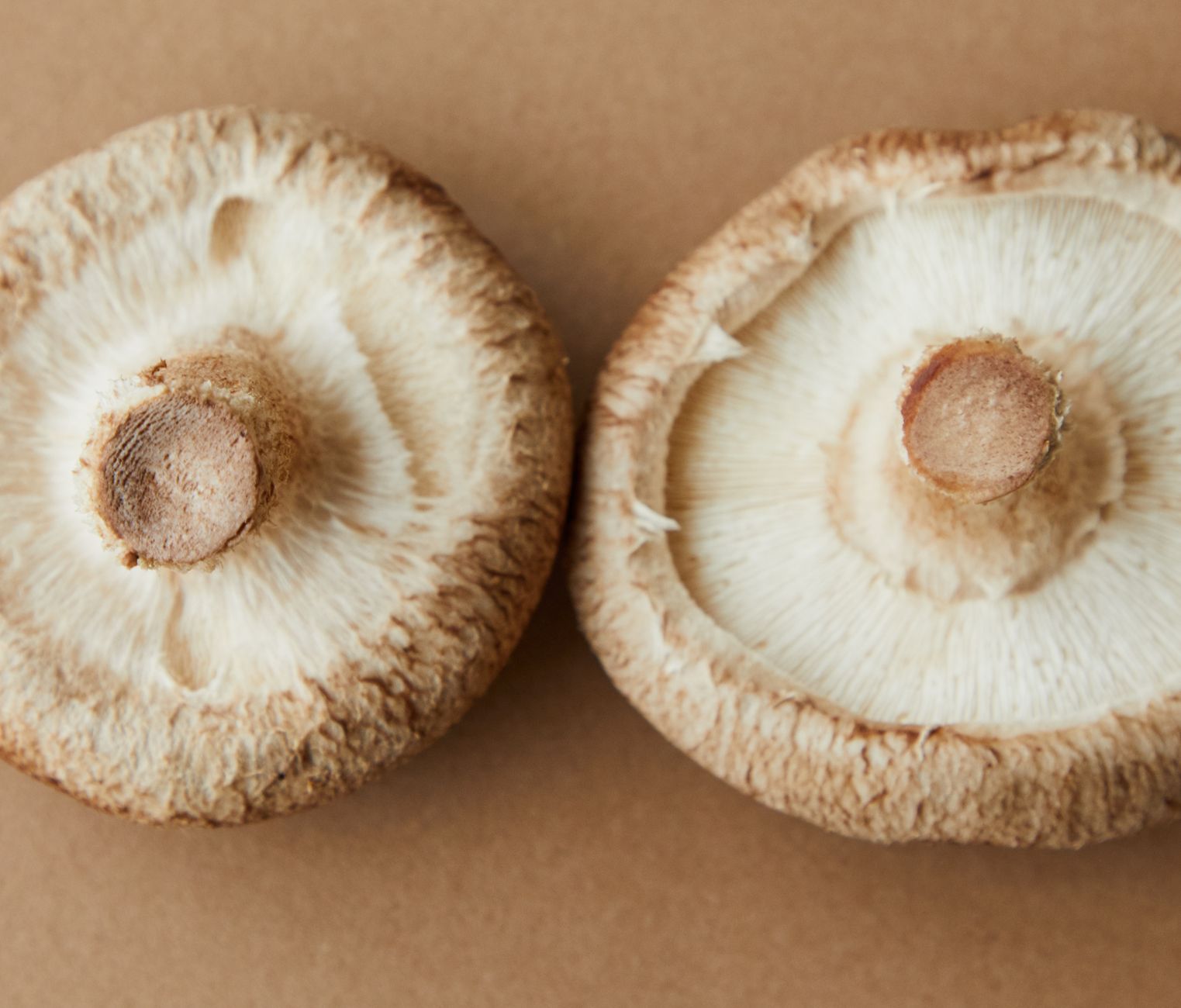
Lentinula edodes, commonly known as shiitake, is one of the most widely consumed edible mushrooms in the world. While its culinary uses are well established across East Asian cuisines, a growing body of scientific research suggests that regular consumption may offer measurable benefits for immune function, cardiovascular health, and gut biology. This article reviews the current evidence.
What Is Shiitake?
Shiitake (Lentinula edodes) is a wood-decay fungus native to East Asia, now cultivated globally on a large commercial scale. Historically, it has featured in traditional Chinese and Japanese medicine for centuries, valued for properties associated with longevity and vitality. Today it is studied primarily for its beta-glucan content, particularly a compound called lentinan, along with other bioactive molecules including eritadenine, ergothioneine, and various polyphenols.
Immune Function: Human Clinical Evidence
Among the more compelling areas of shiitake research is its potential to support immune activity in healthy adults. A randomized dietary intervention published in the Journal of the American College of Nutrition enrolled 52 healthy adults aged 21 to 41 who consumed whole dried L. edodes daily for four weeks. The study found that consuming shiitake resulted in increased ex vivo proliferation of gamma-delta T cells (approximately 60% increase, p < 0.0001) and natural killer T cells (approximately two-fold increase, p < 0.0001). Both cell types also demonstrated greater ability to express activation receptors. Additionally, secretory immunoglobulin A levels in saliva increased, suggesting improved gut-associated immunity, and serum C-reactive protein levels declined, indicating a reduction in inflammatory markers.[1]
These results are notable because they were observed in generally healthy participants, not immunocompromised populations, and the intervention involved whole mushroom consumption rather than an isolated extract. The authors concluded that regular L. edodes consumption may support immune cell proliferation and activation under conditions that are less inflammatory than baseline.
Lentinan: The Primary Beta-Glucan
Much of the immune-related research on shiitake centers on lentinan, a beta-(1-3)-glucan with beta-(1-6) branches isolated from the mushroom’s fruiting body. Research indicates that lentinan interacts with pattern-recognition receptors on immune cells, particularly toll-like receptor 4 signaling pathways, and may modulate cytokine production. Studies suggest that lentinan selectively attenuates certain inflammasome activation pathways while inducing pro-inflammatory cytokine responses in myeloid cells, pointing to a nuanced rather than broadly stimulatory immune effect.[2]
Cardiovascular Health: Eritadenine and Cholesterol Metabolism
Shiitake contains a relatively unusual compound called eritadenine (also known as lentinacin), a water-soluble purine derivative. Research suggests eritadenine may inhibit 3-hydroxy-3-methylglutaryl coenzyme A (HMG-CoA) reductase, one of the key enzymes in cholesterol biosynthesis. Sequential extraction studies examining bioactive compounds from L. edodes relevant to cardiovascular health have confirmed that water-soluble fractions show measurable capacity to inhibit both HMG-CoA reductase activity and angiotensin-I converting enzyme (ACE), which is involved in blood pressure regulation.[3]
It is worth noting that most eritadenine research has been conducted in animal models or in vitro systems. Well-designed human clinical trials examining cardiovascular endpoints specifically attributable to eritadenine intake from dietary shiitake are limited, and the translation of these findings to human physiology requires further investigation.
Gut Health and Prebiotic Potential
Shiitake polysaccharides resist digestion in the upper gastrointestinal tract and reach the colon largely intact, where they are fermented by gut bacteria. Research on a high-molecular-weight glucan fraction (LePS40) isolated from shiitake water extracts found that this compound was highly resistant to digestive enzymes and gastric acid but readily fermented during simulated human fecal fermentation. Compared to fructooligosaccharides (FOS), fermentation of LePS40 produced higher levels of butyrate and propionate, short-chain fatty acids associated with colon health and intestinal barrier integrity. The fermentation products also enhanced populations of beneficial gut bacteria while reducing species associated with fatty liver disease and colorectal cancer risk, and appeared to confer a protective effect on intestinal barrier function in a cell culture model.[4]
These findings suggest that shiitake’s polysaccharide content may exert prebiotic-like effects in the gut, potentially complementing the immune support described above given the well-established relationship between gut microbiota and systemic immune function. For a broader look at how functional mushrooms may support digestive health, see our overview of the best mushrooms for gut health.
Antioxidant Compounds: Ergothioneine and Phenolics
Shiitake is a meaningful dietary source of ergothioneine, a sulfur-containing amino acid that functions as a cellular antioxidant and is now recognized as an important dietary micronutrient. Unlike many antioxidants, ergothioneine is actively transported into human tissues via a specific transporter (OCTN1), and research suggests it accumulates preferentially in tissues under high oxidative stress. Shiitake also contains a range of phenolic compounds with in vitro antioxidant activity, including flavonoids and hydroxycinnamic acid derivatives, though the clinical relevance of these compounds at typical dietary intake levels remains under study.
Nutritional Profile
Beyond its bioactive compounds, shiitake is nutritionally dense for a fungus. It provides a meaningful amount of dietary fiber, B vitamins (including B2, B3, B5, and B6), copper, selenium, zinc, and manganese. When exposed to UV light during growing or drying, shiitake can accumulate ergosterol which converts to vitamin D2, making sun-dried or UV-treated shiitake one of the few significant plant-based sources of dietary vitamin D.
Safety and Considerations
Shiitake is generally recognized as safe when consumed as food. However, a small percentage of individuals may experience “shiitake dermatitis,” a skin reaction characterized by a flagellate (whip-like) rash that appears to be triggered by lentinan in raw or undercooked mushroom. This reaction is rare and does not typically occur with fully cooked mushrooms or standardized extracts. As with any supplement or functional food, individuals who are pregnant, immunocompromised, or taking medications should consult a healthcare provider before substantially increasing intake.
Summary
The available evidence suggests that shiitake mushroom is more than a culinary ingredient. Human clinical data indicate that regular consumption may support immune cell proliferation and reduce inflammatory markers. Laboratory and extraction research points to cardiovascular-relevant compounds including eritadenine and ACE inhibitors, while polysaccharide fermentation studies suggest meaningful prebiotic activity. Ongoing research in human populations will be important for clarifying optimal intake levels and confirming the magnitude of these effects in diverse populations.
References
- 1. Dai X, et al. Consuming Lentinula edodes (Shiitake) Mushrooms Daily Improves Human Immunity: A Randomized Dietary Intervention in Healthy Young Adults. J Am Coll Nutr. 2015;34(6):478-87. PMID: 25866155
- 2. Ahn H, et al. Lentinan from shiitake selectively attenuates AIM2 and non-canonical inflammasome activation while inducing pro-inflammatory cytokine production. Sci Rep. 2017;7(1):1314. PMID: 28465544
- 3. Morales D, et al. Extraction of bioactive compounds against cardiovascular diseases from Lentinula edodes using a sequential extraction method. Biotechnol Prog. 2018;34(3):746-755. PMID: 29388355
- 4. Li JH, et al. Simulated human digestion and fermentation of a high-molecular weight polysaccharide from Lentinula edodes mushroom and protective effects on intestinal barrier. Carbohydr Polym. 2024;343:122478. PMID: 39174101
Disclaimer: This article is for informational purposes only and does not constitute medical advice. Functional mushrooms are not intended to diagnose, treat, cure, or prevent any disease. Consult a qualified healthcare professional before making changes to your diet or supplement routine.