Inonotus obliquus (Chaga) and Trametes versicolor (Turkey Tail) are two of the most studied functional mushrooms in the immune support research literature. Both have long histories of traditional use, and both have generated a substantial body of preclinical and clinical evidence. Yet their bioactive compositions, primary mechanisms, and areas of clinical investigation differ in meaningful ways. This comparison examines what the current evidence indicates about each species in the context of immune function, providing a clearer framework for evaluating their respective profiles.
Biological Origins and Traditional Use
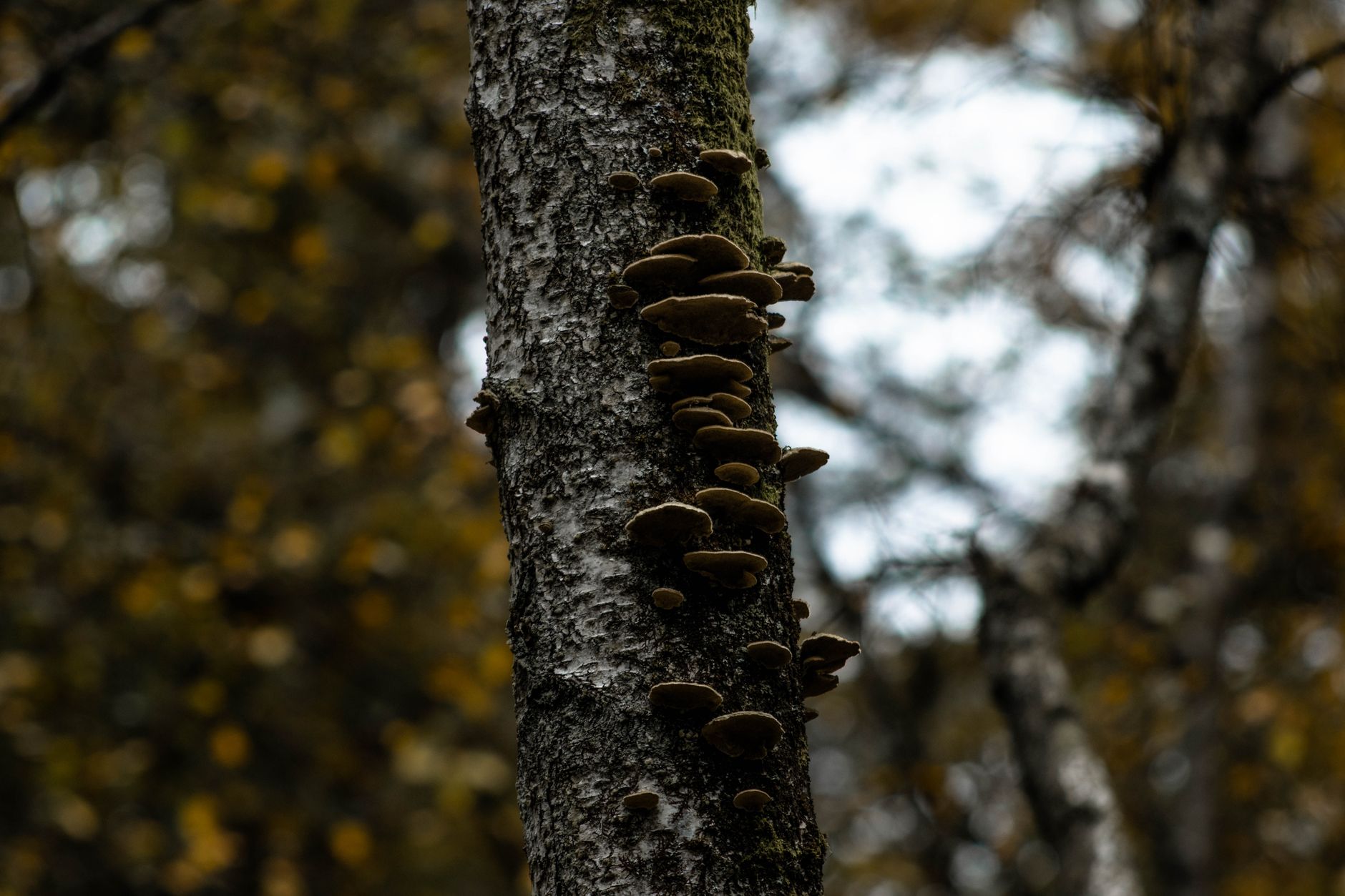
Chaga (Inonotus obliquus) is a parasitic fungus that grows primarily on birch trees across cold northern climates in Russia, Scandinavia, Canada, and Northern China. Unlike conventional mushrooms, it produces a hard, irregular, charcoal-like growth called a sclerotium rather than a standard fruiting body. Its use in folk medicine dates to at least the sixteenth century in Russia and Siberia, where preparations made from dried and powdered chaga were consumed as teas to address gastrointestinal complaints, infectious disease, and general debility.
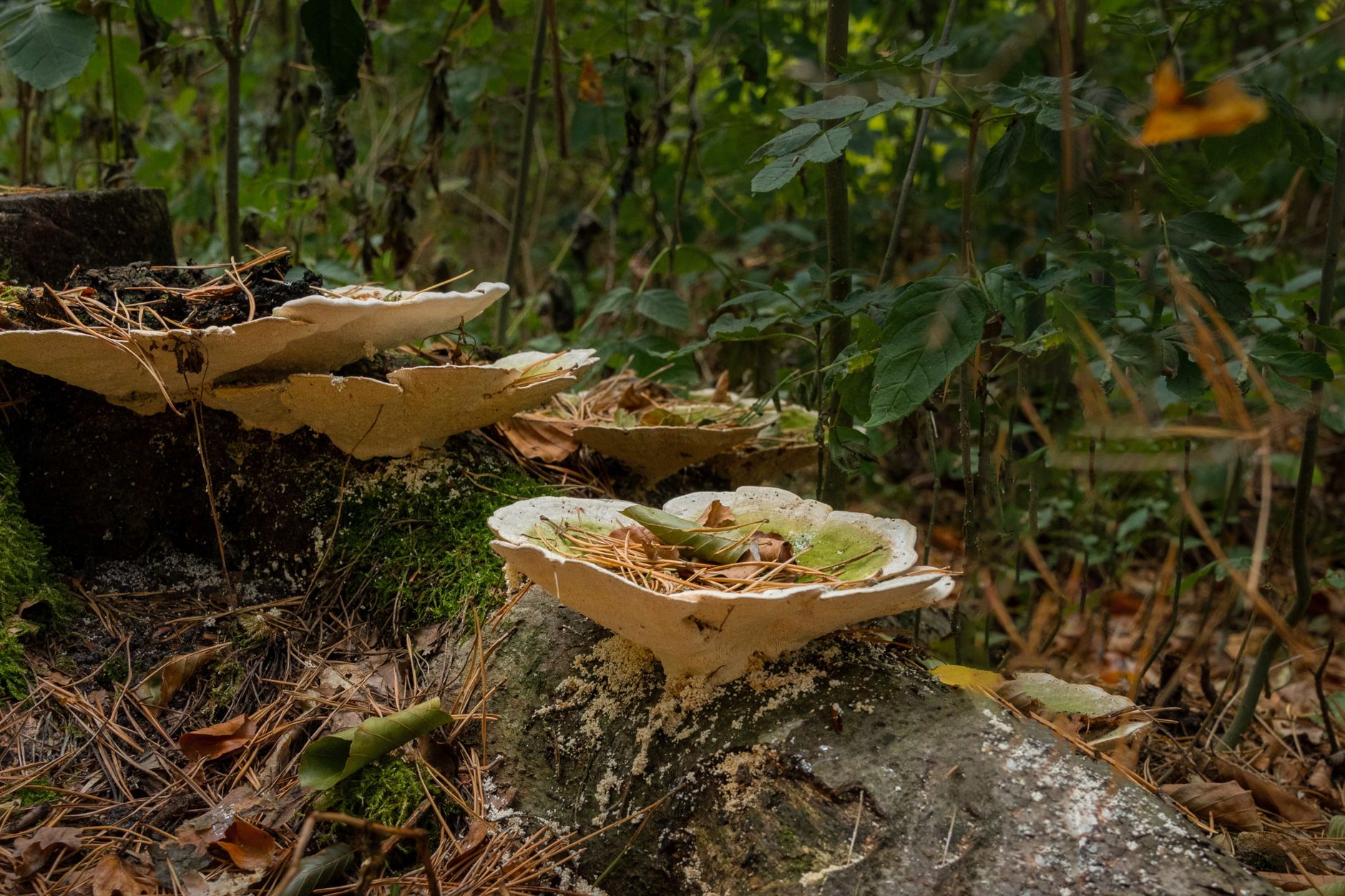
Turkey Tail (Trametes versicolor, formerly Coriolus versicolor) is a bracket fungus found across temperate forests worldwide. Its distinctly banded, fan-shaped fruiting bodies grow on fallen logs and stumps with broad geographic distribution. Turkey Tail has been used medicinally in East Asian traditions for centuries, particularly in Chinese and Japanese medicine, and gave rise to two commercial pharmaceutical-grade polysaccharide preparations: PSK (krestin) in Japan and PSP (polysaccharide peptide) in China, both investigated in clinical oncology contexts.
Bioactive Compounds: Where They Differ
Understanding the distinct compound profiles of these two species is central to comparing their effects.
Chaga derives much of its research interest from two compound categories: polysaccharides (including beta-glucans) and polyphenolic compounds, particularly melanin-betulin complexes and inotodiol. The outer sclerotium of chaga contains high concentrations of melanin, a phenolic polymer responsible for its dark coloration and a significant part of its antioxidant activity. Betulinic acid, derived from the birch bark on which chaga grows, is another biologically active compound found in the sclerotium. The polysaccharide fraction is structurally heterogeneous, containing both beta-glucans and alpha-glucans, and the relative proportions can differ meaningfully between fruiting body, mycelium, and sclerotium preparations.[1]
Turkey Tail is best characterized by its beta-glucan-rich polysaccharide content. The two commercially significant fractions are PSK, a protein-bound polysaccharide with a molecular weight of approximately 100 kDa, and PSP, a polysaccharide peptide with a somewhat different protein composition. Both have been subjected to clinical investigation as immunomodulatory adjuvants. The fungus also contains flavonoids and phenolic compounds, though these are less studied than the polysaccharide fraction.[2]
Immune Mechanisms: Pattern Recognition and Macrophage Activation
Both species are believed to modulate immune function through interactions with pattern recognition receptors (PRRs) on innate immune cells, but research suggests the specific receptor profiles differ.
A 2024 study published in Communications Biology investigated six polysaccharide fractions isolated from Inonotus obliquus for their ability to activate mouse and human macrophages. Two water-soluble fractions, designated AcF1 and AcF3, were found to function as agonists for Toll-like receptor 2 (TLR2) and TLR4, and weak agonists of Dectin-1. These fractions stimulated macrophage secretion of nitric oxide, tumor necrosis factor-alpha (TNF-alpha), and interleukin-6 (IL-6). When combined with interferon-gamma, they triggered high production of IL-12p70, a cytokine central to antitumor immunity, and induced macrophage-mediated inhibition of cancer cell growth both in vitro and in vivo. The researchers noted that particulate beta-glucans from the same species activated Dectin-1 but not TLR2 or TLR4, and were unable to trigger comparable anti-cancer macrophage functions, highlighting that the specific polysaccharide fraction determines which receptor pathways are engaged.[3]
Turkey Tail polysaccharides, particularly PSK and PSP, are primarily associated with Dectin-1 and TLR-mediated activation of dendritic cells, macrophages, natural killer (NK) cells, and T lymphocytes. PSK has also been shown to influence cytokine production, including upregulation of interleukin-2 (IL-2) and interferon-gamma, and to enhance CD8+ cytotoxic T cell activity. A comprehensive review of the oncological evidence for Trametes versicolor polysaccharides noted that PSK and PSP have been investigated for both direct cytotoxic activity in cancer cells and immunostimulatory effects across in vitro, in vivo, and clinical settings, with particular documentation in gastric, colorectal, and breast cancer contexts.[2]
Gut Microbiota: An Emerging Dimension for Turkey Tail
One area where Turkey Tail has developed a growing research base that distinguishes it from Chaga involves its effects on gut microbial composition. A 2024 preclinical study published in Microorganisms examined the effects of extracellular and intracellular polysaccharides from T. versicolor on gut microbiota in high-fat diet mice. Results indicated that oral administration of these polysaccharides significantly reduced lipid accumulation, improved the Firmicutes-to-Bacteroidetes ratio that had been disrupted by high-fat feeding, and enhanced populations of butyrate-producing bacteria. Short-chain fatty acid production, particularly butyrate, was increased, and expression of G-protein-coupled receptors associated with gut-immune signaling was upregulated. The researchers concluded that T. versicolor polysaccharides may function as prebiotic substrates with potential to counteract diet-associated intestinal dysbiosis.[4]
This gut-immune connection is relevant because the intestinal microbiome exerts substantial influence on systemic immune regulation through the gut-associated lymphoid tissue (GALT) and short-chain fatty acid signaling pathways. Research suggesting Turkey Tail polysaccharides can modulate both the microbial composition and the metabolic outputs of the gut adds a layer of indirect immune support distinct from direct receptor-mediated activation.
Chaga and Oxidative Stress
Chaga’s comparative research strength lies in its antioxidant activity profile, which relates to immune function in an indirect but meaningful way. Chronic oxidative stress suppresses immune surveillance and promotes inflammatory pathologies. A 2024 review of I. obliquus therapeutic properties noted that the mushroom has been investigated for anti-inflammatory, antioxidant, anticancer, anti-diabetic, anti-obesity, hepatoprotective, and antiviral activities, with polysaccharides, triterpenoids, polyphenols, and lignin metabolites identified as the responsible bioactive classes. The authors highlighted that modern research has begun to elucidate the mechanisms by which these compounds interact with key enzymatic and protein pathways, though the majority of evidence remains preclinical.[1]
Clinical Evidence: Where Turkey Tail Leads
When comparing the depth of human clinical evidence, Turkey Tail holds a clear advantage. PSK has been approved as an adjuvant cancer therapy in Japan and has been studied in randomized clinical trials across several cancer types over several decades. Evidence from clinical settings suggests benefits in terms of prolonged survival and improved immune parameters when PSK is used alongside conventional oncological treatments, particularly for gastric and colorectal cancers.
Chaga’s clinical evidence base in humans is considerably thinner. While preclinical models have demonstrated numerous biologically relevant activities, well-controlled human trials are sparse, and its use remains most supported by traditional practice and laboratory data. Most of the mechanistic claims about chaga are based on cell culture or animal studies.
Supplement Considerations
When evaluating supplements for either species, several distinctions matter:
- Chaga extract source: Sclerotium-derived extracts represent the traditional preparation and contain the phenolic-melanin compounds most associated with antioxidant activity. Mycelial preparations may have different polysaccharide profiles. Hot water extraction is standard for polysaccharide-rich products; alcohol extraction may capture additional triterpene fractions.
- Turkey Tail standardization: PSK and PSP are standardized pharmaceutical preparations not typically found in consumer supplements. Most commercial Turkey Tail products are whole mushroom or extract powders. Beta-glucan content and polysaccharide profile can vary substantially between products.
- Extraction method relevance: For both species, dual-extraction (hot water plus alcohol) captures a broader range of bioactive compounds than single-solvent processes, though research has primarily been conducted on aqueous extracts.
- Interaction considerations: Both species have immunomodulatory activity and may theoretically interact with immunosuppressant medications. Individuals on any form of immunomodulating therapy should consult a healthcare provider before adding either species to their regimen.
For those interested in how these and other species may be layered in combination, our overview of how different functional mushrooms compare across key health domains covers the broader landscape of functional mushroom research.
Summary
Chaga and Turkey Tail occupy overlapping but distinct positions in the functional mushroom immune support literature. Turkey Tail has the more developed clinical evidence base, particularly through its PSK and PSP polysaccharide fractions, and research indicates its polysaccharides may also support gut microbiota health. Chaga carries a broader bioactive profile spanning polyphenolic antioxidants, polysaccharides, and triterpenoids, and recent mechanistic research has clarified its specific TLR-activation pathways, but its human clinical evidence remains less mature. Neither is a substitute for medical care, and both should be evaluated with awareness of their respective evidence bases rather than on the basis of traditional reputation alone.
References
- 1. Ern PTY, Quan TY, Yee FS, Yin ACY. Therapeutic properties of Inonotus obliquus (Chaga mushroom): A review. Mycology. 2024;15(2):144-161. PMID: 38813471
- 2. Habtemariam S. Trametes versicolor (Synn. Coriolus versicolor) Polysaccharides in Cancer Therapy: Targets and Efficacy. Biomedicines. 2020;8(5):135. PMID: 32466253
- 3. Wold CW, et al. Fungal polysaccharides from Inonotus obliquus are agonists for Toll-like receptors and induce macrophage anti-cancer activity. Commun Biol. 2024;7(1):222. PMID: 38396285
- 4. Bai M, Huang Z, Zheng X, Hou M, Zhang S. Polysaccharides from Trametes versicolor as a Potential Prebiotic to Improve the Gut Microbiota in High-Fat Diet Mice. Microorganisms. 2024;12(8):1654. PMID: 39203496
Disclaimer: This article is for informational purposes only and does not constitute medical advice. Functional mushroom supplements have not been evaluated by the FDA for the diagnosis, treatment, cure, or prevention of any disease. Consult a qualified healthcare provider before beginning any new supplement regimen, especially if you are taking medications or have an existing health condition.