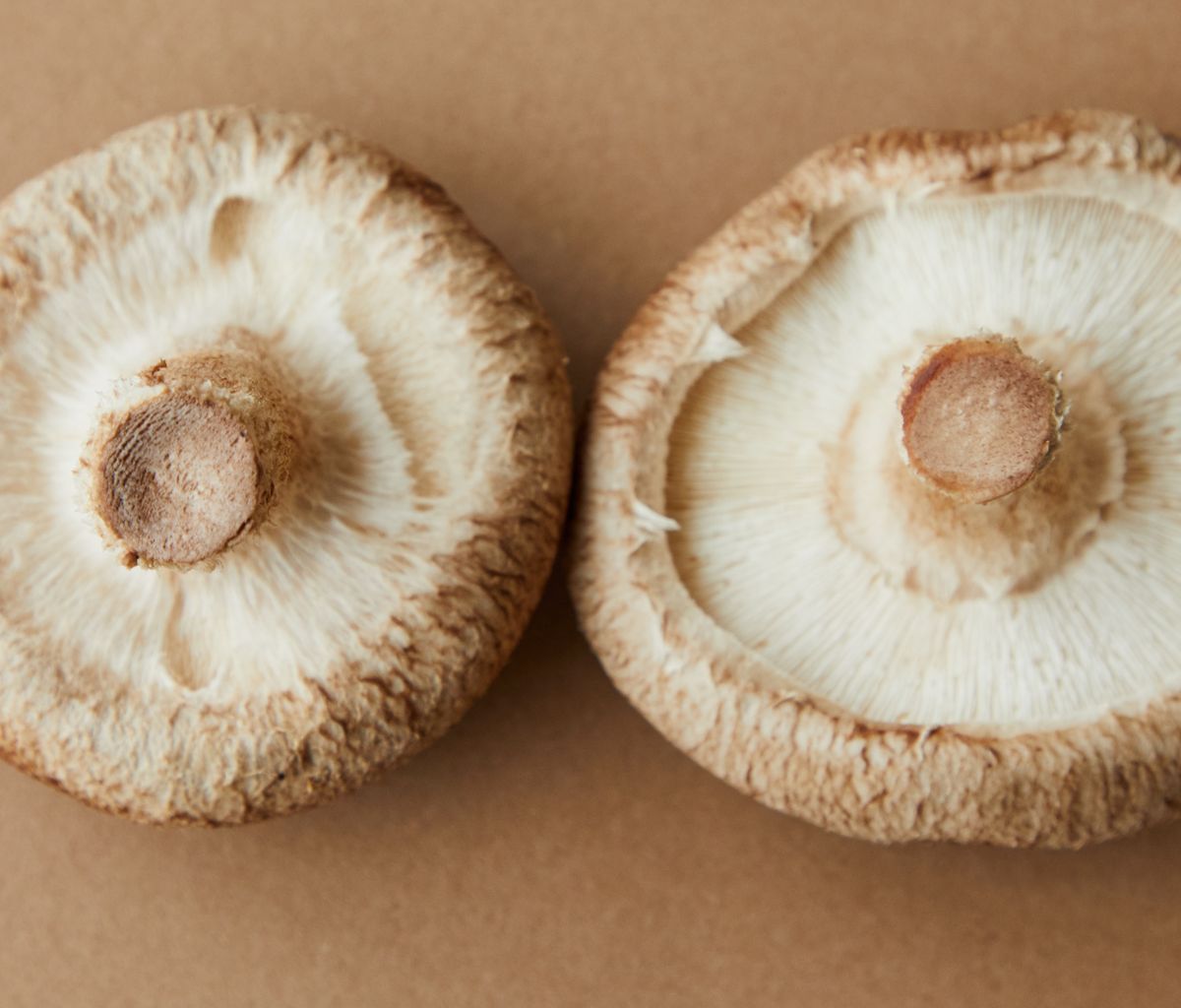
Shiitake (Lentinula edodes) is among the most widely studied culinary mushrooms in the world, and its reputation extends well beyond the kitchen. Used for centuries in East Asian traditional medicine to support vitality and immune function, shiitake has attracted significant modern scientific attention for its distinctive array of bioactive compounds. Research suggests that these compounds may support immune regulation, cardiovascular health, and anti-inflammatory pathways, though most evidence remains preclinical or in early human review stages.
Bioactive Compounds in Shiitake
Shiitake contains a variety of biologically active constituents that researchers have been studying for decades:
- Beta-glucans — Polysaccharides, particularly lentinan, that may interact with immune receptors and modulate inflammatory signaling.
- Eritadenine — A purine alkaloid found in shiitake that has been studied for potential effects on cholesterol metabolism.
- Ergothioneine — An amino acid antioxidant present at notable concentrations in shiitake fruiting bodies.
- Ergosterol — A precursor to vitamin D2 when the mushroom is exposed to UV light, with documented interactions with inflammatory targets including TNF-alpha and COX-2 in molecular studies.[1]
- Polyphenols and phenolic compounds — Contribute to the overall antioxidant profile and may play a supporting role in the anti-inflammatory activity observed in extracts.
The combination of these constituents has led researchers to describe shiitake as a multi-target botanical, meaning its activity likely involves several biological pathways simultaneously rather than a single mechanism.
Immune Modulation: What Studies Indicate
The most studied area of shiitake research involves its effects on the immune system. Lentinan, a beta-1,3/1,6-glucan isolated from shiitake, has been extensively investigated and is even approved in Japan as an adjunct in certain oncology settings, though that clinical use should be distinguished from general supplementation.
Beyond isolated lentinan, research has examined an extract derived from cultured shiitake mycelia known commercially as AHCC (Active Hexose Correlated Compound). A 2019 review published in the Journal of Immunological Research, drawing on both human and animal studies from Yale University School of Medicine and other institutions, found that AHCC may modulate the numbers and activity of natural killer (NK) cells and T cells, key components of the adaptive immune system.[2] The reviewers noted that this immunomodulatory activity has potential implications for host defense, though they acknowledged that the exact mechanisms are not yet fully characterized.
A 2025 preclinical study published in Scientific Reports by researchers at the University of Ottawa investigated AHCC’s effects on immune dysregulation caused by early-life antibiotic exposure. The study found that shiitake mycelium extract administration was associated with decreased pro-inflammatory cytokines including IL-2, IL-6, IL-15, and IL-21, and that antibiotic-induced increases in NF-kB signaling were mitigated by the extract. The authors described AHCC as demonstrating immunomodulatory activity in this model of gut-immune disruption.[3]
Anti-Inflammatory Properties
Inflammation underlies many chronic health conditions, and research has explored whether shiitake compounds may help regulate inflammatory responses. A 2025 study published in the Journal of Ethnopharmacology evaluated the anti-inflammatory potential of a specific Lentinula edodes strain (DMRO-356) in a rat edema model. The researchers found meaningful edema inhibition and attributed the activity to the strain’s elevated concentrations of beta-glucans, ergosterol, and ergothioneine. Molecular docking simulations showed that ergosterol and beta-glucan fractions interacted with TNF-alpha and COX-2 respectively, and network pharmacology analysis pointed to modulation of NF-kB, MAPK, and JAK/STAT pathways.[1]
While these findings are early and largely preclinical, they offer a mechanistic basis for the longstanding traditional use of shiitake in reducing inflammation. Human clinical data confirming these pathways remains limited and should be a priority for future research.
Cardiovascular Research
Shiitake has also drawn attention for its potential cardiovascular-relevant compounds. A 2018 study published in Biotechnology Progress employed a sequential extraction method to isolate distinct bioactive fractions from shiitake fruiting bodies. Water-soluble fractions demonstrated antioxidant activity and inhibition of angiotensin-converting enzyme (ACE), which is involved in blood pressure regulation, as well as inhibition of HMG-CoA reductase, the key enzyme in cholesterol synthesis. The authors identified eritadenine as one of the compounds of particular interest in these fractions, noting its presence alongside other lipid-modulating compounds.[4]
It is important to note that these in vitro findings do not establish that shiitake consumption lowers blood pressure or cholesterol in clinical settings. No large-scale human trials have confirmed these effects, and individuals managing cardiovascular conditions should not substitute or alter treatments based on preclinical data.
Nutritional Profile Worth Noting
Apart from its pharmacologically active compounds, shiitake is a nutritionally dense food. It provides a meaningful source of B vitamins including B2, B5, and B6, along with copper, selenium, and zinc. Dried shiitake, when sun-exposed, can accumulate significant levels of vitamin D2. The mushroom is also one of the richer dietary sources of ergothioneine among common fungi.
These nutritional contributions are relevant because they add context to the broader health associations observed in populations that consume shiitake regularly, where isolating the effect of pharmacological compounds from general nutritional quality is methodologically challenging.
How Shiitake Compares to Other Functional Mushrooms
Shiitake occupies a distinctive position in the functional mushroom landscape: it bridges culinary accessibility and medicinal research more than almost any other species. While mushrooms like reishi and cordyceps are rarely consumed as food, shiitake is widely available fresh, dried, and in supplement form, making it easier to incorporate into daily habits.
Its beta-glucan content and immunomodulatory activity are broadly comparable to other medicinal mushrooms, though its specific compound profile, including lentinan and eritadenine, gives it a somewhat different research focus from immune-specialist mushrooms like turkey tail or reishi.
Considerations and Safety
Shiitake is generally regarded as safe when consumed as food. Supplement forms, particularly concentrated extracts, warrant some caution. A small number of cases of “shiitake dermatitis” have been reported in individuals consuming raw or undercooked shiitake in large amounts, attributed to the compound lentinan; this reaction is reportedly avoided with thorough cooking.
Individuals who are immunocompromised, pregnant, or taking immunosuppressive medications should consult a healthcare provider before using concentrated shiitake extracts, particularly AHCC-type products, given the documented effects on immune cell activity.
References
- [1] Makkar S, et al. Anti-inflammatory potential of Lentinula edodes DMRO-356. J Ethnopharmacol. 2026;354:120493. PMID: 40885500
- [2] Shin MS, et al. The Effects of AHCC on Natural Killer and T Cells in Health and Disease. J Immunol Res. 2019;2019:3758576. PMID: 31930148
- [3] Shahbazi R, et al. Lentinula edodes cultured extract intake alleviates long-term immune deregulation. Sci Rep. 2025;16(1):3200. PMID: 41444353
- [4] Morales D, et al. Extraction of bioactive compounds against cardiovascular diseases from Lentinula edodes. Biotechnol Prog. 2018;34(3):746-755. PMID: 29388355
Disclaimer: The information on this page is for educational purposes only and does not constitute medical advice. Functional mushrooms are not intended to diagnose, treat, cure, or prevent any disease. Always consult a qualified healthcare professional before starting any new supplement.