Poor sleep is one of the most common health complaints worldwide, and interest in natural interventions has grown considerably. Several functional mushrooms have been studied for their potential to support sleep quality, reduce sleep latency, and address the anxiety that often underlies disrupted rest. This article reviews what the current research shows about mushrooms and sleep, examining the species with the strongest evidence, the proposed mechanisms, and important caveats for anyone considering supplementation.
Why Mushrooms May Influence Sleep
Sleep is regulated by a complex interplay of neurotransmitters, hormones, and circadian signals. Key players include serotonin (a precursor to melatonin), gamma-aminobutyric acid (GABA), and adenosine. Several functional mushrooms contain bioactive compounds that research suggests may interact with these pathways. Triterpenes, polysaccharides, and other secondary metabolites have been identified as potentially relevant, though most mechanistic data still comes from preclinical (animal) studies. Human trials remain limited and, in many cases, small in scale.
Reishi (Ganoderma lucidum): The Most Studied Mushroom for Sleep
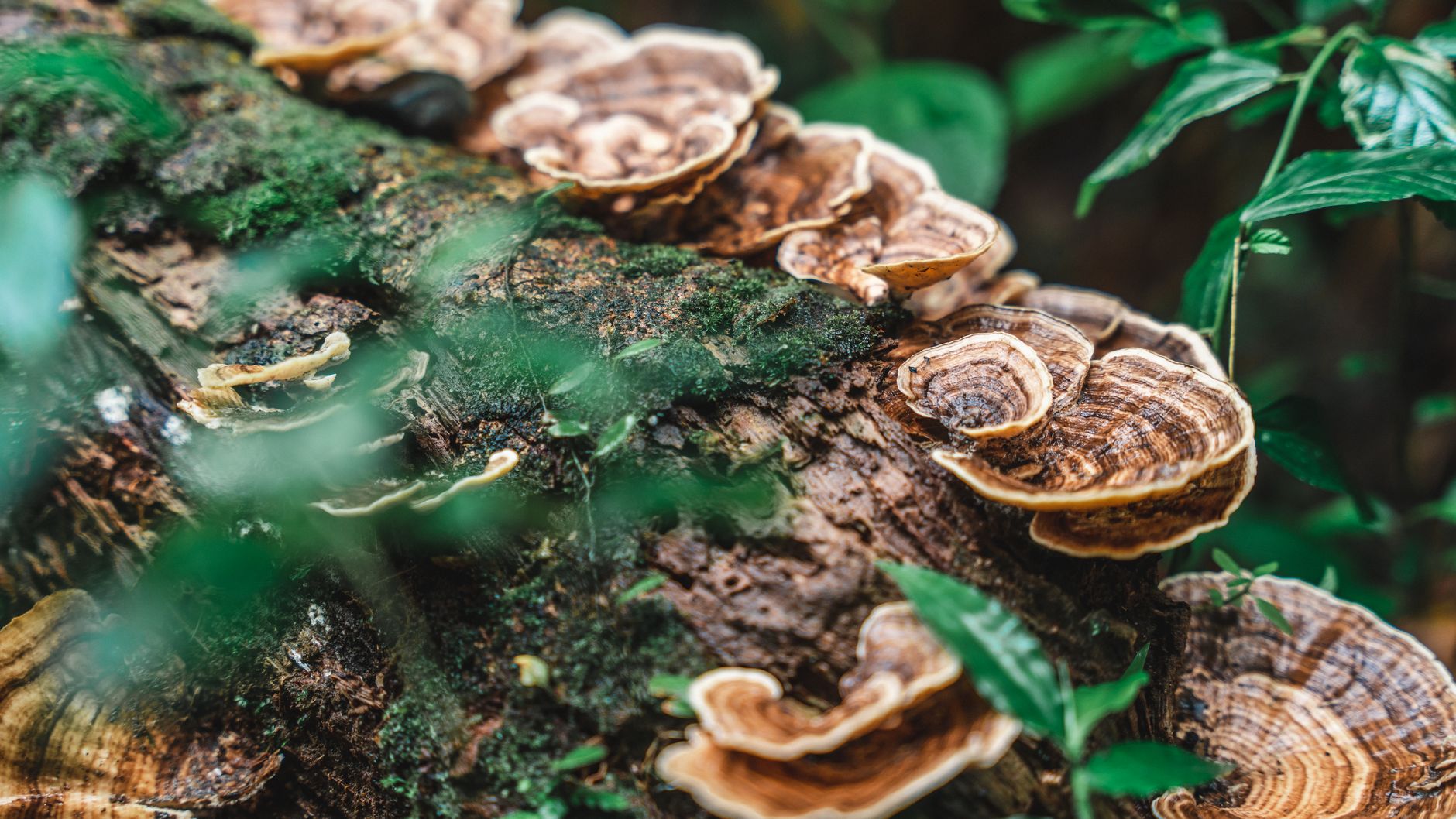
Reishi has the deepest body of research among functional mushrooms in the context of sleep. In traditional Chinese medicine, it has historically been associated with calming and tranquilizing effects. Modern research suggests several potential mechanisms.
Serotonin and Gut Microbiota
A 2021 study published in Scientific Reports examined the acidic extract of G. lucidum mycelia (GLAA) in mice. Administration of GLAA shortened sleep latency and prolonged sleeping time in a pentobarbital-induced sleep model. The researchers found that GLAA increased levels of serotonin (5-hydroxytryptamine) and upregulated related transcripts in the serotonergic synapse pathway in the hypothalamus. Notably, the sleep-promoting effects were attenuated when gut microbiota was depleted with antibiotics, suggesting the mechanism is at least partially gut-microbiota-dependent.[1]
Triterpenes as Sedative-Hypnotic Compounds
A 2024 metabolomics study published in Phytomedicine identified sedative-hypnotic compounds shared across five medicinal Polyporales mushrooms, including Ganoderma lucidum and Trametes versicolor (Turkey Tail). Using UPLC-Q-TOF-MS/MS-based analysis and mouse sleep models, researchers identified six triterpenes, specifically four ganoderic acids (B, C1, F, and H) and two ganoderenic acids (A and D), as the primary shared compounds contributing to sedative-hypnotic activity.[2] This finding suggests that some sleep-related effects may not be exclusive to reishi alone.
Lion’s Mane (Hericium erinaceus): Sleep and Anxiety Relief
Lion’s Mane is most often associated with cognitive support, but emerging research indicates it may also have a role in improving sleep quality, particularly when sleep disruption is linked to anxiety or mood disturbance.
Animal Evidence on Sleep Disruption and Anxiety
A 2021 in vivo study found that Hericium erinaceus mycelium ameliorated anxiety-related behaviors and reversed stress-induced NREM sleep disturbances in mice. The researchers proposed a dual mechanism involving both anxiolytic effects and modulation of sleep architecture, potentially mediated through BDNF and related neuroprotective pathways.[3]
Human Pilot Data
A clinical pilot study involving overweight adults with mood and sleep disorders found that eight weeks of oral H. erinaceus supplementation was associated with improvements in depression, anxiety, and self-reported sleep quality. The study also observed increased circulating pro-BDNF levels, which the authors proposed as a potential biomarker, though the study was small and lacked a control condition.[4]
Mushroom Blends: Human Trial Evidence on Sleep Quality
Single-species human trials on mushrooms and sleep remain limited. A 2026 randomised, double-blind, placebo-controlled trial published in Brain and Behavior examined a mushroom blend supplement (“Restake”) in 50 participants over 12 weeks. The intervention group showed statistically significant improvements in Pittsburgh Sleep Quality Index (PSQI) scores at both 6 weeks (p = 0.005) and 12 weeks (p < 0.001) compared to placebo. The supplement was also associated with reductions in cortisol, ACTH, and CRP levels, and a trend toward increased morning melatonin after 12 weeks. The authors noted that the anxiety-lowering effects observed may have contributed indirectly to improved sleep.[5]
While this trial used a blend rather than a single species, it represents some of the most methodologically rigorous human data available in this area to date.
Turkey Tail and the Sedative-Hypnotic Connection
Trametes versicolor is most commonly studied for immune modulation, but the 2024 Phytomedicine metabolomics research noted above[2] identified it as one of five Polyporales species sharing sedative-hypnotic triterpene compounds. This is an early-stage finding and should not be interpreted as established efficacy, but it does suggest that the sedative potential of medicinal mushrooms may extend beyond reishi alone.
How Stress and Anxiety Connect to Sleep Outcomes
It is worth noting that many sleep benefits attributed to functional mushrooms may operate indirectly, through reductions in physiological and psychological stress rather than direct hypnotic action. Cortisol dysregulation is a well-recognized contributor to poor sleep onset and maintenance. Several mushrooms, including reishi and adaptogens like cordyceps, have been studied for their potential to modulate the hypothalamic-pituitary-adrenal (HPA) axis. For more on this topic, see Lion’s Mane and Depression: What the Clinical Evidence Shows.
What the Evidence Does Not Yet Show
Several important limitations apply to this body of research:
- Most mechanistic data comes from animal models; human trials are few and often small.
- Study designs vary considerably, making cross-study comparisons difficult.
- Blend studies cannot attribute effects to a single species.
- Standardization of extracts (fruiting body vs. mycelium, extraction method, beta-glucan content) varies significantly across products.
- Long-term safety data for regular supplementation specifically targeting sleep is limited.
Research in this area is genuinely developing, and some early findings are promising, but clinical claims about functional mushrooms as sleep aids should be interpreted with appropriate caution.
Practical Considerations
For individuals interested in functional mushrooms for sleep support, consulting with a healthcare provider before beginning supplementation is advisable, particularly for those taking medications that affect the central nervous system, sleep, or mood. Product quality matters considerably: look for supplements with verified beta-glucan content and third-party testing. Mushrooms with concurrent sedative or anxiolytic effects may interact with prescription sleep aids or anxiolytics.
Summary
Among functional mushrooms studied for sleep, reishi (Ganoderma lucidum) has the most established preclinical evidence, with mechanisms involving serotonin modulation, gut microbiota interaction, and triterpene-mediated sedative-hypnotic effects. Lion’s Mane research suggests a potential role in sleep improvement linked to its anxiolytic and neuroprotective properties. A recent randomised controlled trial using a mushroom blend showed meaningful improvements in sleep quality scores and stress biomarkers in human participants. While these findings are encouraging, the evidence base for using any single mushroom species specifically as a sleep aid in humans remains early-stage and warrants further investigation.
References
- [1] Yao C, et al. Ganoderma lucidum promotes sleep through a gut microbiota-dependent and serotonin-involved pathway in mice. Sci Rep. 2021;11(1):13660. PMID: 34211003
- [2] Chen W, et al. Identification of sedative-hypnotic compounds shared by five medicinal Polyporales mushrooms using UPLC-Q-TOF-MS/MS-based untargeted metabolomics. Phytomedicine. 2024;128:155355. PMID: 38555773
- [3] Li TJ, et al. Hericium erinaceus mycelium ameliorate anxiety induced by continuous sleep disturbance in vivo. BMC Complement Med Ther. 2021;21(1):295. PMID: 34865649
- [4] Vigna L, et al. Hericium erinaceus improves mood and sleep disorders in patients affected by overweight or obesity. Evid Based Complement Alternat Med. 2019;2019:7861297. PMID: 31118969
- [5] Hisamuddin AS, et al. Adaptogenic effects of mushroom blend supplementation on stress, fatigue, and sleep: A randomised, double-blind, and placebo-controlled trial. Brain Behav. 2026;16(1):e71193. PMID: 41540766
Disclaimer: This article is for informational purposes only and does not constitute medical advice. Functional mushroom supplements are not intended to diagnose, treat, cure, or prevent any disease or medical condition. Consult a qualified healthcare professional before starting any new supplement, particularly if you are pregnant, nursing, taking medications, or have an underlying health condition.