What Is Black Fungus?
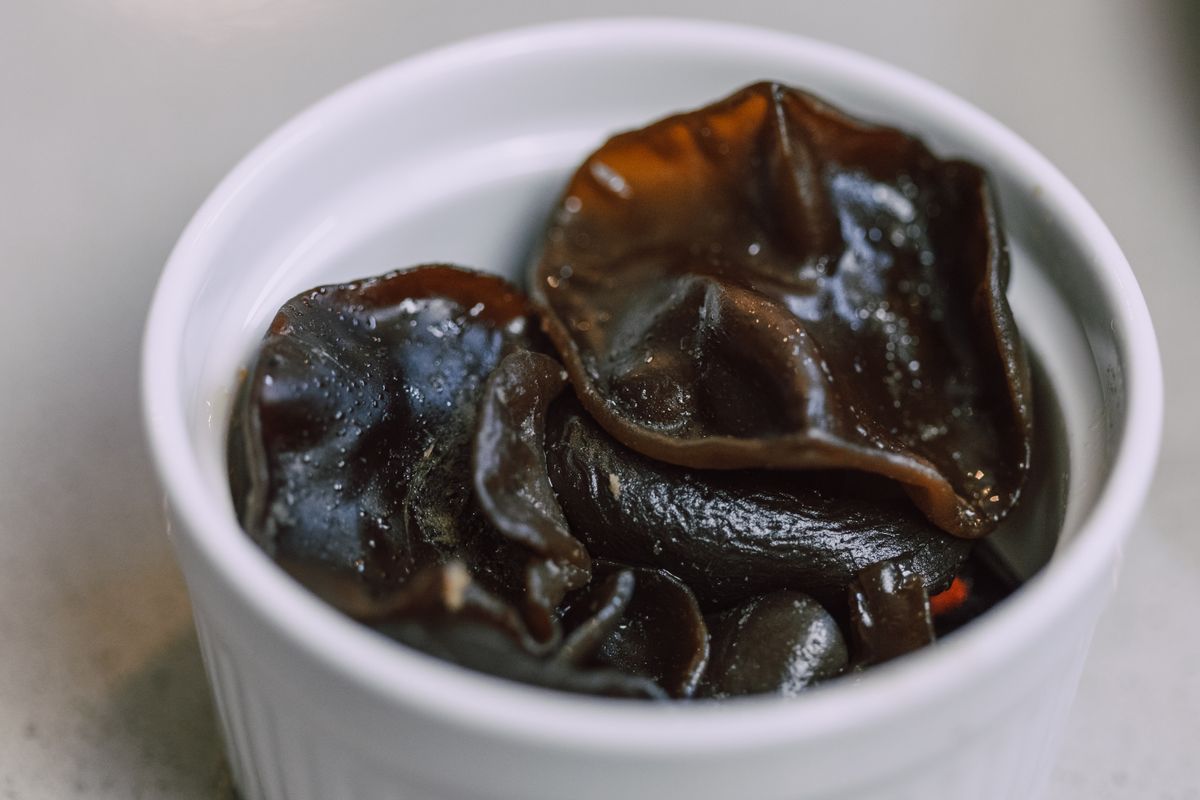
Black fungus (Auricularia auricula-judae), also called wood ear mushroom, cloud ear fungus, or Judas’s ear, is one of the most widely consumed edible fungi in East and Southeast Asia. It grows on decaying wood, has a distinctive ear-shaped form, and is prized in traditional Chinese medicine as well as in everyday cuisine. Beyond its culinary applications, black fungus has attracted growing scientific attention for the bioactive polysaccharides found in its fruiting body — compounds that may support several dimensions of human health.
Traditional Uses in East Asian Medicine
In traditional Chinese medicine, Auricularia species have been used for centuries to support blood circulation, address dryness, and promote general vitality. Classical texts reference the mushroom as a tonic for the stomach and lungs. While these traditional claims predate clinical science, modern research is beginning to identify the specific compounds that may underpin some of these historical uses — particularly the heteropolysaccharides that make up a substantial portion of the dried mushroom’s weight.
Polysaccharides: The Primary Bioactive Compounds
The most extensively studied compounds in black fungus are its polysaccharides — complex carbohydrate chains including acidic heteropolysaccharides and glucuronoxylomannan structures. These polysaccharides exhibit several properties in preclinical models that have made them a focus of functional food research.
A study characterizing the polysaccharide profile of A. auricula found that its polysaccharide fractions demonstrated measurable antioxidant enzyme activity, including improvements in superoxide dismutase and catalase activity in aged animal models. The same research noted improvements in cardiac function markers, suggesting a potential link between polysaccharide intake and cardiovascular oxidative stress parameters.[1]
Antithrombotic Properties: What the Research Shows
One of the more well-characterized areas of black fungus research involves its potential effects on blood coagulation and platelet function. A 2022 study isolated a novel polysaccharide (AAP-b2) from A. auricula fruiting bodies and evaluated its antithrombotic activity in a carrageenan-induced mouse model. The purified fraction was found to significantly inhibit platelet aggregation, reduce thrombus formation, and prolong coagulation times — including activated partial thromboplastin time (APTT) and prothrombin time (PT). The researchers attributed this activity to modulation of endothelial nitric oxide synthase, endothelin-1, and anticoagulant pathways involving antithrombin III.[2]
These findings are preliminary and based on animal models; clinical trials in humans are needed before any conclusions about cardiovascular benefit can be drawn. Individuals taking anticoagulant medications should consult a healthcare provider before using black fungus supplements, as additive effects on platelet function are theoretically plausible.
Gut Microbiota and Metabolic Support
Black fungus polysaccharides may also influence the composition of gut microbiota, which has downstream effects on metabolic health. Research published in 2023 examined the effects of A. auricula polysaccharides (AAPs) on non-alcoholic fatty liver disease (NAFLD) in a high-fat, high-cholesterol mouse model. Treatment with AAPs was associated with reduced liver inflammation and fibrosis, modulation of gut microbiota composition — including enrichment of Lactobacillus and Bifidobacterium — and changes in bile acid metabolism via the farnesoid X receptor pathway. The polysaccharides appeared to act as prebiotics, supporting beneficial microbial populations that then influenced systemic metabolic processes.[3]
This area of research complements a broader body of evidence on edible fungi and gut health. For a wider overview of mushrooms studied for prebiotic and immune effects in the digestive tract, see our guide on the best mushrooms for gut health.
Antioxidant Activity and Glycaemic Response
Research has also investigated the antioxidant characteristics of black fungus in food-based delivery formats. One study incorporated A. auricula powder into brown rice extrudates and measured phenolic content, free-radical scavenging, and in vitro starch digestion. Increasing the proportion of black fungus led to higher total phenolic concentrations and greater DPPH radical scavenging activity. Notably, the black fungus-enriched formulations also showed reduced in vitro starch digestion compared with plain rice extrudates, suggesting a potential influence on the glycaemic index of the food product.[4]
It is important to note that in vitro starch digestion studies do not directly translate to human glycaemic responses. Human intervention trials would be required to determine whether dietary inclusion of black fungus meaningfully affects blood glucose or insulin dynamics in clinical settings.
Nutritional Profile
Auricularia auricula is low in calories and contains dietary fiber, B vitamins including riboflavin and niacin, and trace minerals including iron and potassium. Its fiber content — both soluble and insoluble — contributes to the prebiotic properties noted in gut microbiota research. The dried form concentrates these nutrients significantly relative to the fresh mushroom.
Key Nutritional Characteristics of Black Fungus
- Dietary fiber: High relative to caloric content; includes soluble polysaccharides with potential prebiotic activity
- Iron: One of the higher plant-accessible iron sources among culinary fungi
- B vitamins: Contains riboflavin (B2) and niacin (B3)
- Polysaccharides: Heteropolysaccharides including glucuronoxylomannan, studied for bioactivity
- Phenolic compounds: Contribute to measured antioxidant activity in laboratory assays
Culinary Applications
Black fungus is a staple ingredient in Chinese, Korean, Vietnamese, and Thai cuisines. It is commonly sold dried and must be rehydrated before use; it expands significantly in water and takes on a gelatinous, slightly crunchy texture. It is featured in hot and sour soup, stir-fries, noodle dishes, and braised preparations. Its mild flavor makes it a versatile ingredient that absorbs the seasonings of accompanying ingredients rather than imparting a strong taste of its own.
From a practical standpoint, consuming black fungus as a whole food integrates its fiber and polysaccharide content within a broader dietary context — which differs from standardized supplement extracts. Whole food consumption and isolated polysaccharide supplementation may have different bioavailability and activity profiles, a distinction that current research does not yet fully clarify.
Safety and Considerations
Auricularia auricula has a long history of safe dietary use when properly prepared. The primary safety considerations for those using concentrated extracts or supplements rather than culinary amounts involve:
- Anticoagulant interactions: Given the preclinical evidence for platelet inhibition, individuals taking blood thinners should consult a physician before supplementing
- Allergies: Fungal hypersensitivity, while uncommon, is possible
- Preparation: Raw or inadequately rehydrated black fungus may present digestive discomfort; it is typically consumed cooked
Research Gaps and Future Directions
The bulk of existing research on black fungus uses preclinical models — cell cultures and rodent studies. Human clinical trials examining its effects on cardiovascular parameters, gut microbiota composition, or metabolic markers remain limited. Future research directions likely include dose-ranging studies in humans, bioavailability assessments of polysaccharide fractions across delivery formats, and longer-term safety evaluations of concentrated extracts. Until robust clinical data exists, health claims for black fungus should be interpreted cautiously.
References
- 1. Wu Q, et al. Chemical characterization of Auricularia auricula polysaccharides and its pharmacological effect on heart antioxidant enzyme activities and left ventricular function in aged mice. Int J Biol Macromol. 2010;46(3):284-8. PMID: 20105437
- 2. Bian C, et al. A Novel Polysaccharide from Auricularia auricula Alleviates Thrombosis Induced by Carrageenan in Mice. Molecules. 2022;27(15):4831. PMID: 35956781
- 3. Shu Y, et al. The polysaccharides from Auricularia auricula alleviate non-alcoholic fatty liver disease via modulating gut microbiota and bile acids metabolism. Int J Biol Macromol. 2023;246:125662. PMID: 37399869
- 4. Vallee M, et al. Physical, Predictive Glycaemic Response and Antioxidative Properties of Black Ear Mushroom (Auricularia auricula) Extrudates. Plant Foods Hum Nutr. 2017;72(3):301-307. PMID: 28677100
Disclaimer: The information on this page is intended for educational purposes only and does not constitute medical advice. Black fungus and its extracts have not been approved by the FDA to diagnose, treat, cure, or prevent any disease. Consult a qualified healthcare provider before using any supplement, especially if you are pregnant, nursing, or taking medications.