For most of the 20th century, neuroscience operated on a firm assumption: the adult brain cannot grow new neurons. You were born with what you had, and it only went downhill from there. That assumption turned out to be wrong — and the discovery that overturned it opened a door that functional mushrooms may be uniquely positioned to walk through.
The Discovery of Adult Neurogenesis
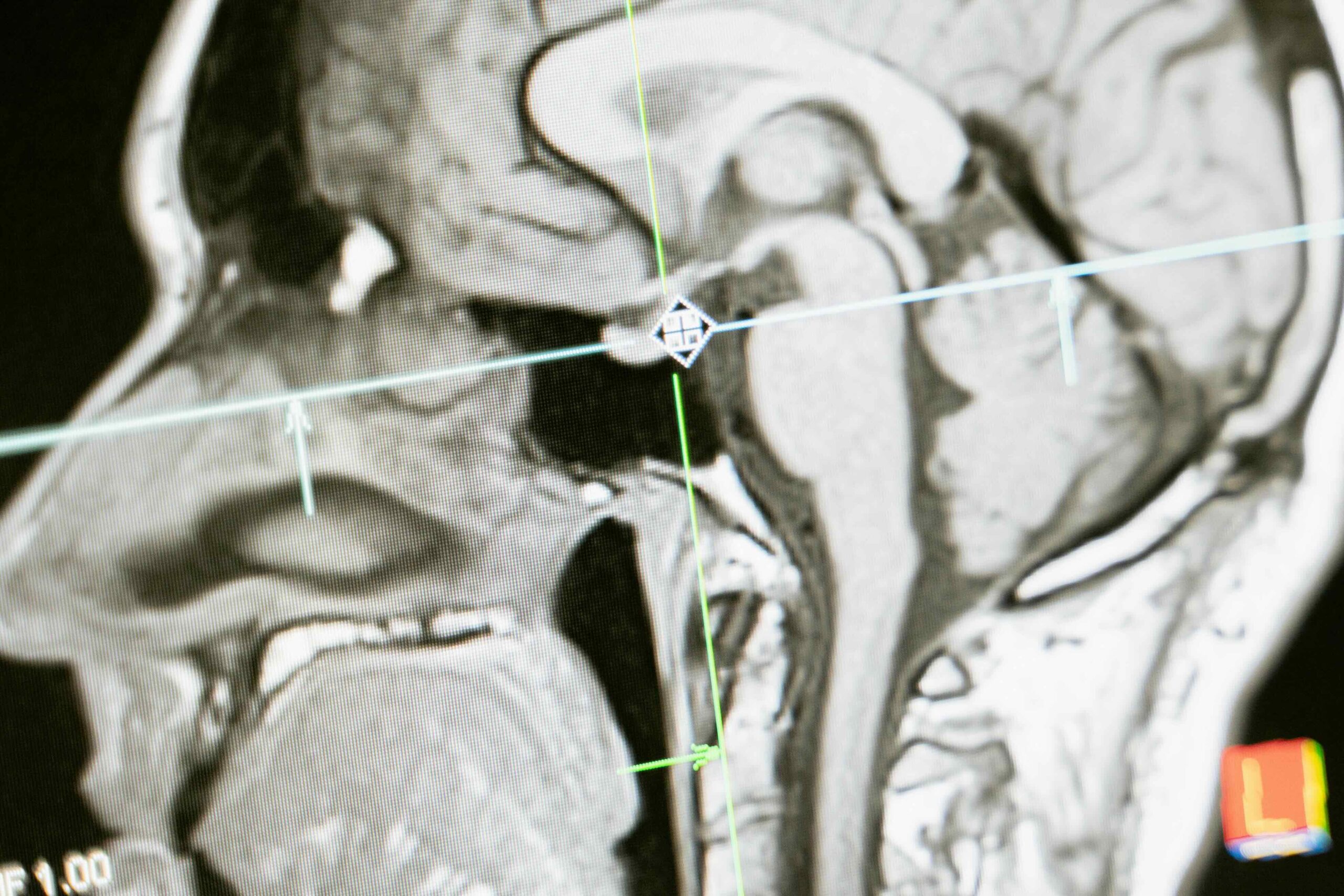
In the 1960s, researcher Joseph Altman published evidence that new neurons were forming in the brains of adult rats. The finding was largely dismissed for decades. It wasn’t until the 1990s and 2000s — with better imaging technology and a landmark 1998 study by Eriksson et al. confirming neurogenesis in the adult human hippocampus — that the field accepted what Altman had found: adult brains do generate new neurons, particularly in regions associated with memory and learning.
This matters because it shifts the question from “can the brain repair itself?” to “what promotes or inhibits that process?”
NGF, BDNF, and the Growth Factors
Two proteins are central to neurogenesis and neural maintenance:
- NGF (Nerve Growth Factor) — promotes the survival and growth of neurons, particularly in the peripheral nervous system and hippocampus
- BDNF (Brain-Derived Neurotrophic Factor) — often called “Miracle-Gro for the brain,” supports the survival of existing neurons and encourages new neuron growth and synaptic plasticity
Both decline with age, chronic stress, poor sleep, and sedentary behavior. Both can be increased through exercise, sleep, certain dietary compounds — and, according to emerging research, specific mushroom compounds.
How Lion’s Mane Ties Into Neurogenesis
Lion’s Mane (Hericium erinaceus) contains hericenones and erinacines — compounds demonstrated in multiple studies to stimulate NGF synthesis in nerve cells. A 2009 clinical trial by Mori et al. in Phytotherapy Research showed significant cognitive improvements in older adults with mild cognitive impairment after 16 weeks of Lion’s Mane supplementation, with improvements reversing after discontinuation.
More recent research has explored Lion’s Mane’s potential role in supporting remyelination (the repair of the myelin sheath around nerves) and reducing markers associated with Alzheimer’s pathology in animal models — though human clinical data remains limited and ongoing.
What the Science Does and Doesn’t Say
To be precise about what the evidence supports: Lion’s Mane has demonstrated NGF-stimulating activity in cell cultures and animal studies, with supporting human trial data for cognitive function in older adults. It has not been proven to “regrow brain cells” in healthy young adults, and no mushroom supplement should be marketed as a cure or treatment for neurological disease.
What’s reasonable to say: the mechanisms are real, the compounds are identified, and the early human data is encouraging enough that significant research investment is continuing. Lion’s Mane is the most scientifically credible natural compound for NGF support currently available.