When cold and flu season arrives, two natural supplements tend to dominate the conversation: chaga mushroom and elderberry. Both have centuries of traditional use behind them and a growing body of modern research to back their reputations. But they work through different mechanisms, target different aspects of immune function, and suit different types of users. So which one should you reach for? The honest answer is: it depends on what you’re trying to accomplish.
What Is Chaga and How Does It Support Immunity?
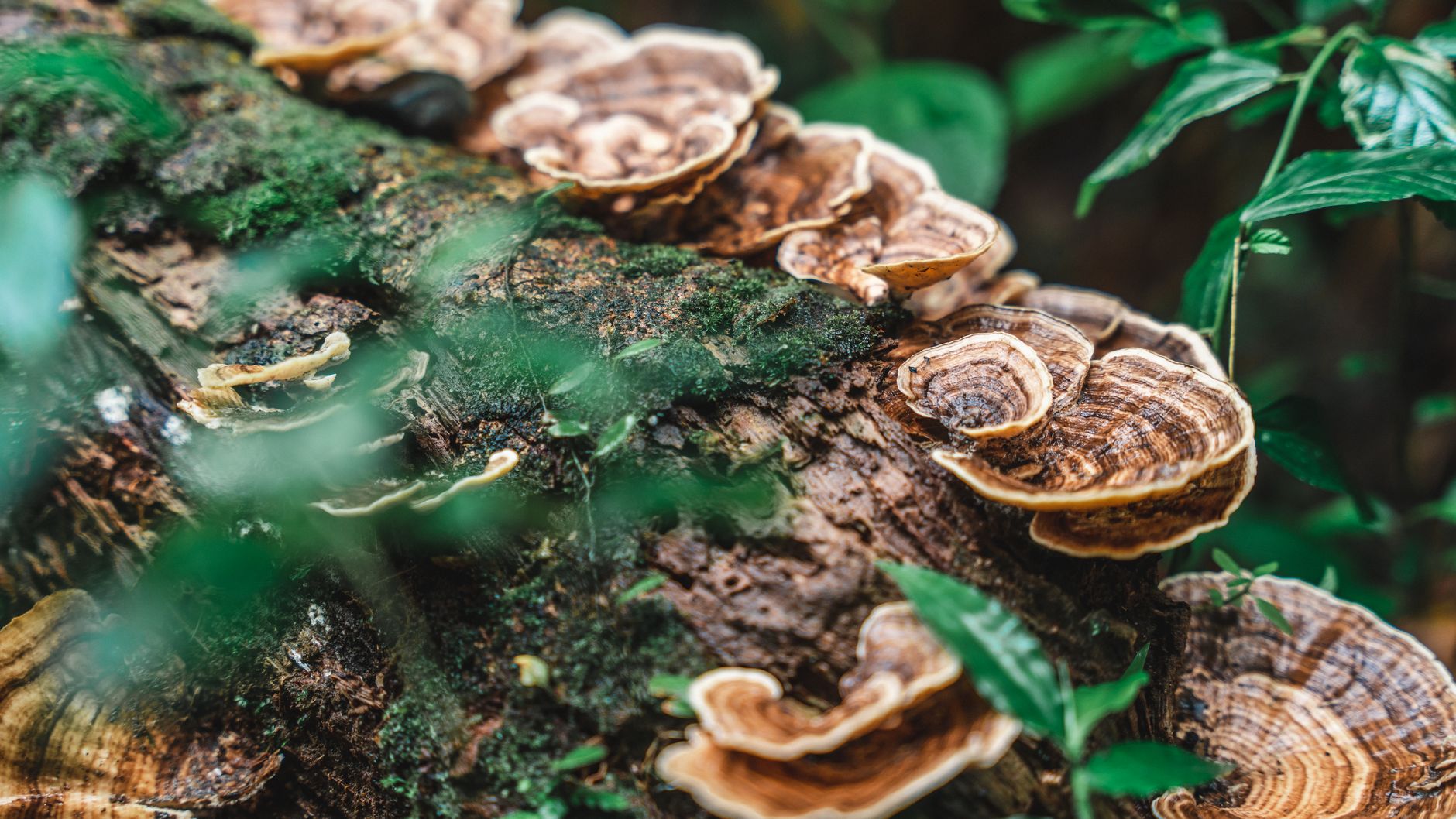
Chaga (Inonotus obliquus) is a parasitic fungus that grows predominantly on birch trees in cold northern climates: Siberia, Canada, northern Europe, and Korea. It has the appearance of a dark, charred mass on the outside, with a dense orange-brown interior rich in bioactive compounds.
The primary immune-active compounds in chaga are beta-glucans: complex polysaccharides that interact directly with immune receptors in the body. Beta-glucans are recognized by receptors on macrophages, natural killer cells, and dendritic cells, triggering an immune activation cascade. A 2012 study published in Carbohydrate Polymers demonstrated that water-soluble polysaccharides extracted from Inonotus obliquus exhibited measurable immunomodulatory activity, including enhanced macrophage activation and cytokine production in experimental models.[1]
Beyond beta-glucans, chaga is exceptionally rich in antioxidant compounds: melanin pigments, polyphenols, and triterpenoids. These give chaga one of the highest ORAC (Oxygen Radical Absorbance Capacity) scores of any natural food. This antioxidant activity isn’t just cosmetic. Oxidative stress is a known suppressor of immune function, and reducing it may help keep immune cells operating efficiently over the long term.
Chaga is generally considered an adaptogenic, long-term immune tonic. It is not typically used for acute immune support; rather, it builds a foundation over weeks and months of consistent use.
What Is Elderberry and How Does It Support Immunity?
Elderberry (Sambucus nigra) is a flowering plant native to Europe and North America. The dark berries have been used medicinally for centuries, particularly for respiratory illnesses and viral infections. Modern research has largely validated this traditional use, placing elderberry among the most evidence-backed natural remedies for seasonal illness.
Elderberry contains high concentrations of flavonoids, particularly anthocyanins, which appear to have direct antiviral properties. These compounds have been shown to inhibit viral hemagglutinin proteins, which viruses use to attach to and enter host cells. They also stimulate cytokine production, supporting a faster immune response when a pathogen is detected.
The clinical evidence for elderberry in acute illness is notable. A randomized, double-blind, placebo-controlled study published in The Journal of International Medical Research found that participants who took elderberry extract during influenza A and B infections recovered significantly faster than those on placebo, with the elderberry group experiencing a mean recovery time approximately four days shorter.[2] A more recent 2020 randomized, double-blind trial published in the Journal of General Internal Medicine evaluated elderberry extract in emergency room patients with influenza and found no statistically significant difference in symptom duration compared to placebo, suggesting that results may vary depending on patient population and study design.[3]
Unlike chaga, elderberry is primarily used for short-term, targeted immune support: specifically when you feel something coming on or during active illness.
Head-to-Head: Key Differences
Mechanism of Action
Chaga works primarily by modulating the immune system at a baseline level: activating immune cells, reducing oxidative stress, and supporting immune surveillance over time. Elderberry acts more acutely: it appears to directly interfere with viral replication and stimulate rapid cytokine release in response to active infection.
Timeline of Use
Chaga is a long-game supplement. Most practitioners who recommend it suggest consistent daily use over months to see meaningful shifts in immune resilience. Elderberry is better suited to a short burst: taken at the first signs of illness or during peak cold and flu season for a defined period.
Research Base
Elderberry has a stronger clinical evidence base, particularly for influenza. Human randomized controlled trials exist, which is not the case for chaga, where most research remains at the preclinical (cell and animal) stage. This doesn’t mean chaga doesn’t work; it means the science is less mature. Chaga’s immunomodulatory properties are well-supported in laboratory settings, but human trials are still limited.
Safety Profile
Both are generally well-tolerated. One consideration with elderberry is that its potent cytokine-stimulating activity has led some researchers to flag a theoretical concern for individuals with autoimmune conditions, since amplifying an already overactive immune response could be counterproductive. This concern remains largely theoretical, but it’s worth noting. Chaga, as an immunomodulator (rather than stimulant), may be a safer long-term option for people with autoimmune tendencies. Chaga does contain significant amounts of oxalates, so people with kidney stones or oxalate sensitivity should use caution.
Which One Is Better for Immune Support?
The framing of “which is better” misses the point. These are complementary tools for different jobs.
If you are looking to build long-term immune resilience, reduce chronic oxidative stress, and support overall immune surveillance, chaga is the more appropriate choice. Its beta-glucan content and antioxidant profile make it well-suited to daily use as part of a broader wellness protocol. For more on how chaga and other functional mushrooms fit into an immune support strategy, see our guide to chaga’s antioxidant properties.
If you are dealing with an active cold or flu, or you want targeted protection during peak virus season, elderberry has the stronger short-term clinical evidence. Its direct antiviral action and rapid cytokine stimulation make it a better acute-use tool.
Many people use both: chaga consistently throughout the year as a baseline, with elderberry added during winter months or at the first sign of illness.
How to Choose a Quality Product
For chaga, look for dual-extracted products that capture both water-soluble beta-glucans and fat-soluble triterpenoids. Wild-harvested chaga from birch trees in cold climates is generally considered higher quality than cultivated mycelium. Check for beta-glucan content on the label; reputable brands will specify this.
For elderberry, standardized extracts with known anthocyanin content are preferable to generic syrups with added sugar. If using syrup, check the sugar content: some commercial elderberry syrups are more sugar than medicine. Gummies and chewables are popular but often heavily diluted.
The Bottom Line
Chaga and elderberry are not competitors; they are teammates with different roles. Chaga excels as a long-term immune modulator with deep antioxidant support. Elderberry shines as an acute antiviral ally with solid clinical backing. For people serious about year-round immune health, using both strategically is a reasonable and well-supported approach.
This article is for informational purposes only and does not constitute medical advice.
References
- 1. https://pubmed.ncbi.nlm.nih.gov/22840014/
- 2. https://pubmed.ncbi.nlm.nih.gov/15080016/
- 3. https://pubmed.ncbi.nlm.nih.gov/32929634/
This article is for informational purposes only and does not constitute medical advice. Always consult a qualified healthcare provider before starting any supplement.