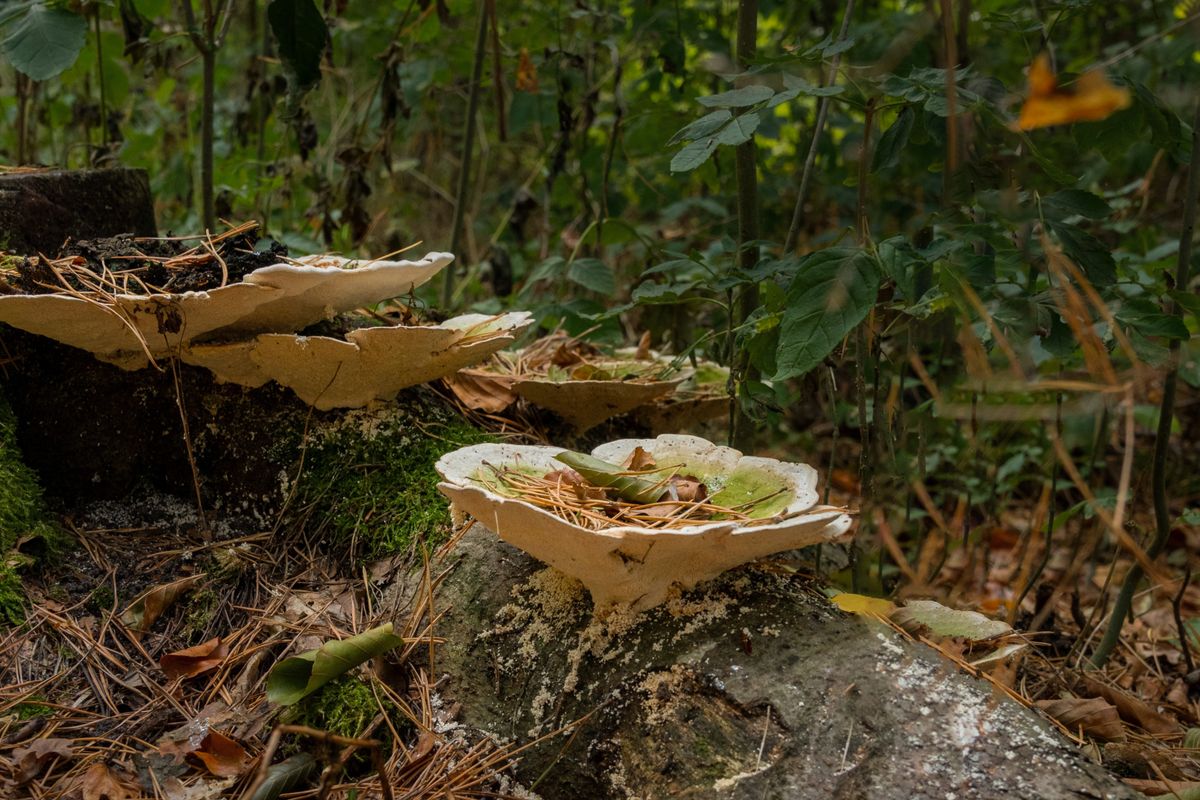
Chaga (Inonotus obliquus) and Turkey Tail (Trametes versicolor) are two of the most studied functional mushrooms, and both are primarily associated with immune support. Yet their bioactive profiles, mechanisms of action, and research contexts are meaningfully different. This comparison aims to clarify what the evidence actually shows for each, and where one may offer advantages the other does not.
What Is Chaga?
Chaga is a parasitic fungus that grows predominantly on birch trees across northern latitudes in Russia, Scandinavia, and North America. It is not technically a fruiting body in the conventional sense but rather a sclerotium, a dense mass of mycelium. Chaga has been used in Siberian and Eastern European folk medicine for centuries, primarily as a tea prepared from the dried, ground material.
Its most notable bioactive compounds include polyphenols (particularly inotodiol and betulinic acid derived from its birch host), triterpenoids, melanin-like pigments, and polysaccharides including beta-glucans. Research suggests these compounds may support antioxidant defenses and modulate inflammatory signaling pathways.[1]
What Is Turkey Tail?
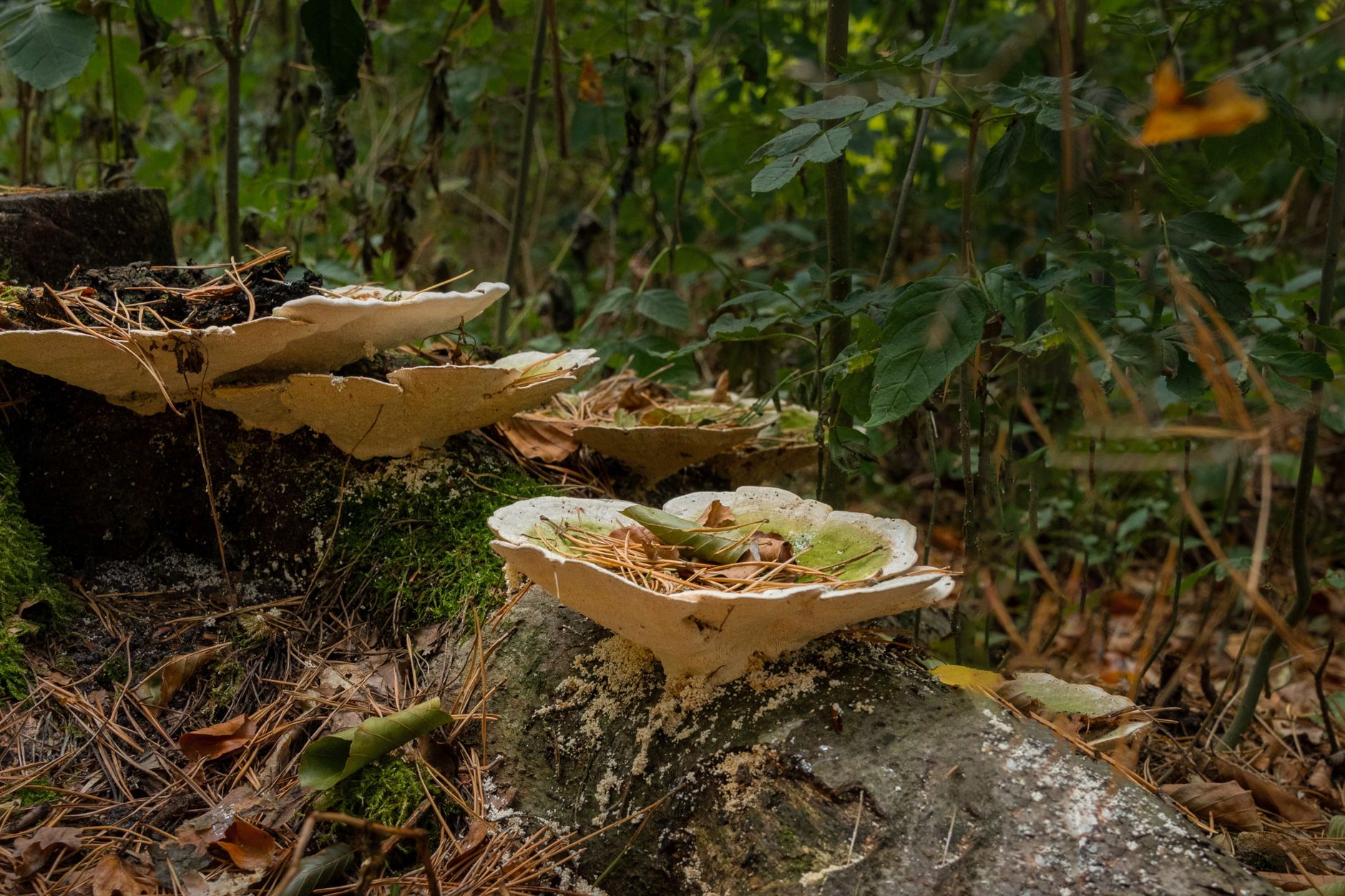
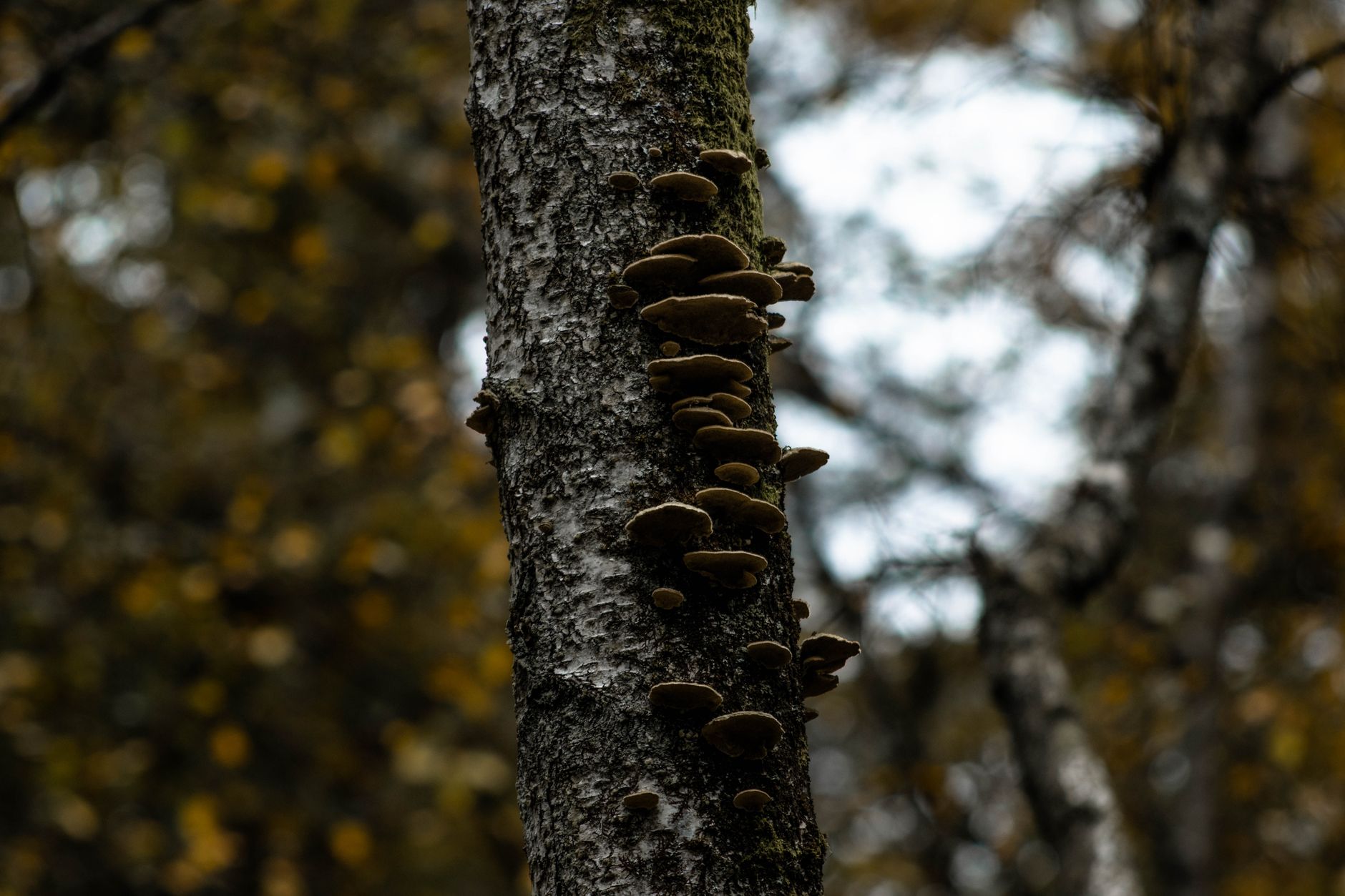
Turkey Tail is a shelf mushroom that grows on dead hardwood logs across temperate forests worldwide. It is one of the most recognizable wild fungi due to its distinctive fan-shaped, multicolored bands. In traditional East Asian medicine it has been used for general wellness and is perhaps best known scientifically through two commercial polysaccharide extracts: polysaccharide-K (PSK, also called Krestin) used widely in Japan, and polysaccharide peptide (PSP), used in China.
Turkey Tail’s primary bioactive compounds are protein-bound polysaccharides. PSK in particular has been the subject of extensive clinical investigation as an adjunct to conventional cancer treatment and has demonstrated immunostimulatory effects via Toll-like receptor 2 (TLR2) and Dectin-1 receptor pathways.[2]
Immune Support: Mechanisms Compared
Chaga and Immune Modulation
Chaga’s immune-related effects appear to be largely indirect, operating through its antioxidant and anti-inflammatory activity rather than direct immune cell stimulation. Studies indicate that polyphenolic compounds isolated from I. obliquus can downregulate pro-inflammatory cytokines such as TNF-alpha and IL-1beta, reduce reactive oxygen species (ROS), and suppress activation of the TLR4/NF-kappaB signaling pathway in macrophage cell models.[3]
This anti-inflammatory profile may be relevant for individuals whose immune dysregulation involves chronic low-grade inflammation. However, most of the mechanistic evidence comes from in vitro and animal studies. Human clinical trials on Chaga’s immune effects remain limited.
Turkey Tail and Direct Immunostimulation
Turkey Tail’s immune research base is substantially more developed at the clinical level, particularly through PSK studies conducted in Japan. Research indicates that PSK’s beta-glucan component binds to Dectin-1 receptors on immune cells, while a distinct lipid fraction activates TLR2 receptors. These two components appear to act synergistically, enhancing macrophage and dendritic cell activity.[2]
A detailed review of T. versicolor polysaccharides in oncology found that both PSK and PSP have demonstrated direct cytotoxic effects on cancer cells in vitro and immunostimulatory effects across multiple cancer models, with some human clinical evidence supporting their use as adjuvants to standard chemotherapy.[4] It is important to note that this does not constitute evidence that Turkey Tail treats or cures cancer; rather, it may support immune function in contexts where that function has been compromised.
Antioxidant Activity: Where Chaga Stands Out
Chaga consistently ranks among the highest antioxidant-capacity foods when measured by ORAC or DPPH assay methods, largely due to its dense polyphenol and melanin content. Research suggests its polyphenols may inhibit xanthine oxidase, an enzyme involved in the production of oxidative byproducts, and may help reduce lipid peroxidation markers.[3]
Turkey Tail’s antioxidant capacity is more modest by comparison. Its health relevance is more tightly linked to immune signaling than to direct free-radical scavenging.
Gut Health Considerations
Both mushrooms may have implications for gut health, though through different mechanisms. Turkey Tail’s PSP has been investigated as a potential prebiotic: studies indicate it may selectively support the growth of beneficial bacteria such as Bifidobacterium and Lactobacillus species while reducing populations of potentially harmful bacteria, suggesting a favorable influence on the composition of the gut microbiome.[5]
Chaga’s effects on gut health have been studied more recently, with research suggesting its melanin and polysaccharide content may help modulate gut microbiota composition and reduce markers of intestinal inflammation, though this research is at an earlier stage than the Turkey Tail gut data.
Practical Differences in Supplement Form
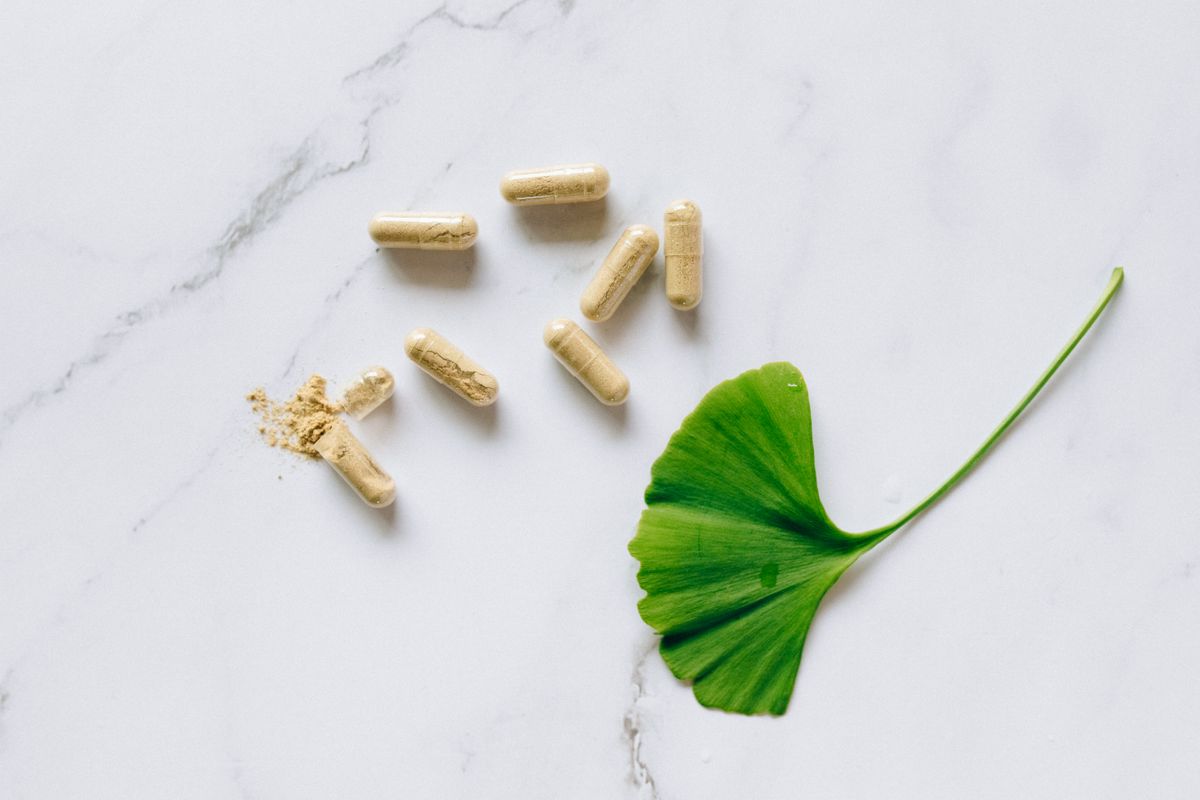
Chaga is commonly consumed as a tea, tincture, or powdered extract. Because betulinic acid, one of its signature compounds, is water-insoluble, dual-extraction methods (hot water plus alcohol) are generally considered preferable for capturing the full bioactive spectrum. Beta-glucan content and ORAC values vary considerably across products depending on substrate source and extraction method.
Turkey Tail is available primarily as hot-water extracts standardized for beta-glucan or polysaccharide content. Given that PSK and PSP are water-soluble, hot-water extraction is considered appropriate for these compounds. As with Chaga, product quality varies, and consumers would benefit from reviewing third-party testing data before selecting a supplement. Our guide on Chaga and inflammation provides additional background on reading Chaga product quality indicators.
Which Mushroom Is Better for Immune Support?
Neither mushroom is categorically superior for immune support; they operate through different pathways and may serve different purposes.
Turkey Tail has a deeper and more direct body of human evidence for immune modulation, particularly in oncology-adjacent research. If direct immunostimulation via beta-glucan pathways is the objective, Turkey Tail is better characterized at the clinical level.
Chaga may be more appropriate where the goal is broader antioxidant support and modulation of inflammatory signaling. Its traditional use and preclinical data are compelling, though the human clinical research base is still developing.
Some individuals use both simultaneously; functional mushroom combinations are an area of ongoing research interest, though direct studies on Chaga-Turkey Tail synergy in humans are not yet available.
Safety and Considerations
Both mushrooms are generally well tolerated in the forms studied, though neither is without caveats. Chaga contains oxalic acid, which may be a concern for individuals prone to kidney stones; some case reports have associated high-dose Chaga consumption with oxalate nephropathy. Turkey Tail is among the better-studied mushrooms for safety, though individuals on immunosuppressant medications or undergoing active cancer treatment should consult a physician before use, given its immunostimulatory properties. Our overview of mushroom supplements and drug interactions covers this in more detail.
Conclusion
Chaga and Turkey Tail both have legitimate scientific interest for immune health, but the nature of that interest differs. Turkey Tail is supported by a more robust and direct clinical evidence base for immune stimulation. Chaga’s strength lies in antioxidant capacity and anti-inflammatory modulation. Understanding these distinctions can help individuals and clinicians make more informed choices about which mushroom, or combination thereof, may be most relevant for their specific health context.
References
- [1] Ern PTY et al. Therapeutic properties of Inonotus obliquus (Chaga mushroom): A review. Mycology. 2024;15(2):144-161. PMID: 38813471
- [2] Quayle K et al. The TLR2 agonist in polysaccharide-K is a structurally distinct lipid which acts synergistically with the protein-bound beta-glucan. J Nat Med. 2015;69(2):198-208. PMID: 25510899
- [3] Shu Y et al. Three Polyphenolic Compounds from Inonotus obliquus: Antioxidant Activity, Xanthine Oxidase Inhibition, and Regulatory Effects on MyD88/TLR4/NF-kappaB Pathway. Antioxidants. 2026;15(2):267. PMID: 41750647
- [4] Habtemariam S. Trametes versicolor Polysaccharides in Cancer Therapy: Targets and Efficacy. Biomedicines. 2020;8(5):135. PMID: 32466253
- [5] Wu JM et al. Recent Advances and Challenges in Studies of Control of Cancer Stem Cells and the Gut Microbiome by the Trametes-Derived Polysaccharopeptide PSP. Int J Med Mushrooms. 2016;18(8):651-660. PMID: 27910783
Disclaimer: The information in this article is for educational purposes only and does not constitute medical advice. Functional mushroom supplements are not intended to diagnose, treat, cure, or prevent any disease. Consult a qualified healthcare provider before beginning any new supplement regimen, particularly if you have a medical condition or are taking medications.