Ergothioneine is a sulfur-containing amino acid that the human body cannot synthesize on its own. It is obtained almost entirely through diet, and mushrooms are by far its richest dietary source. In recent years, researchers have begun examining ergothioneine with increasing interest, not merely as a trace nutrient but as a compound with potentially broad biological relevance. While the science is still developing, early evidence suggests it may support antioxidant defense, neuroprotection, and healthy aging.
What Is Ergothioneine and Where Does It Come From?
Ergothioneine (sometimes abbreviated ET) is classified as a histidine derivative and behaves as a potent antioxidant at the cellular level. What makes it biologically distinctive is its dedicated transporter protein, OCTN1 (encoded by the SLC22A4 gene). The presence of a specific transporter suggests that the body actively acquires and preserves ergothioneine, which researchers interpret as a sign of meaningful physiological function.
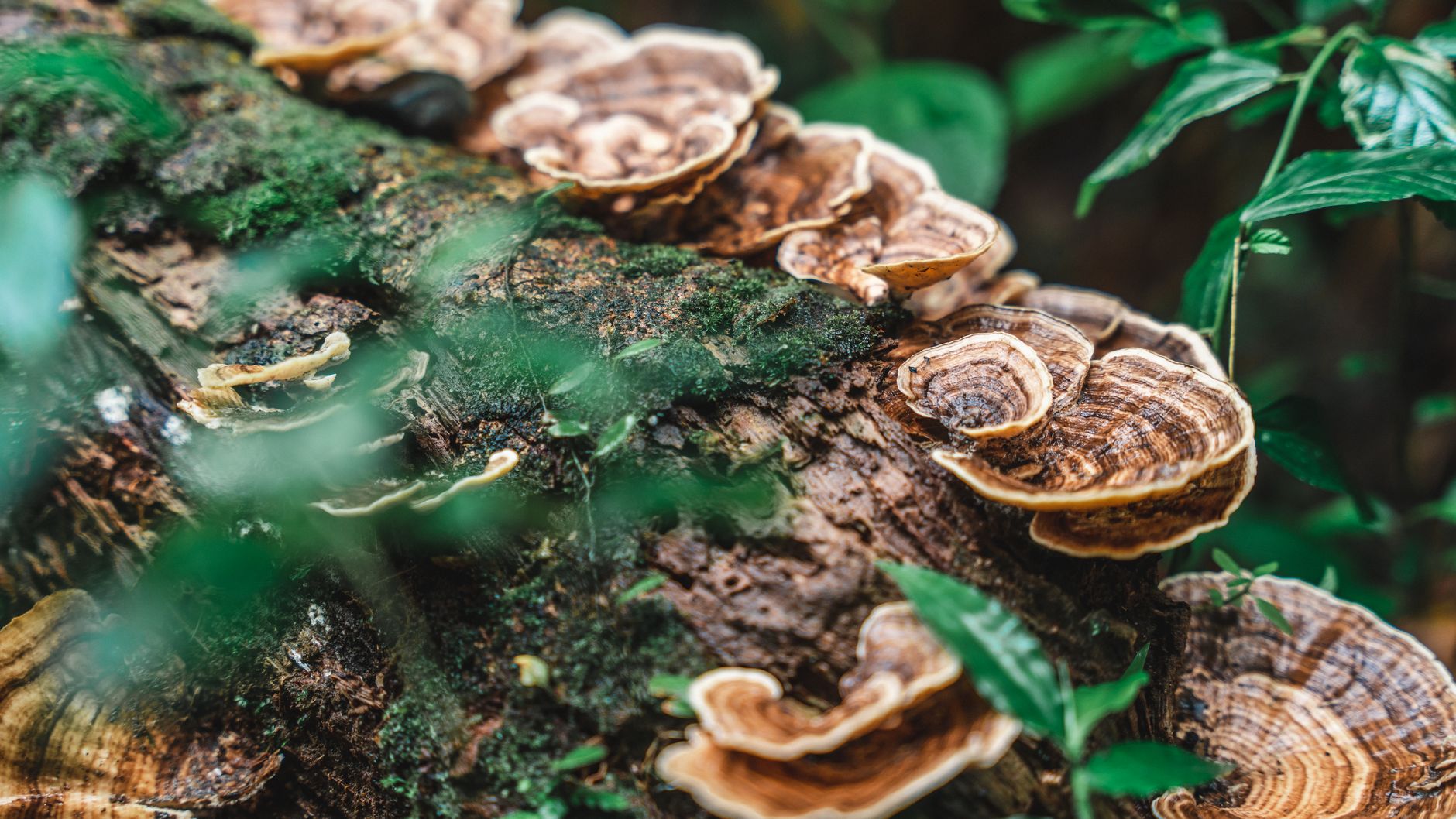
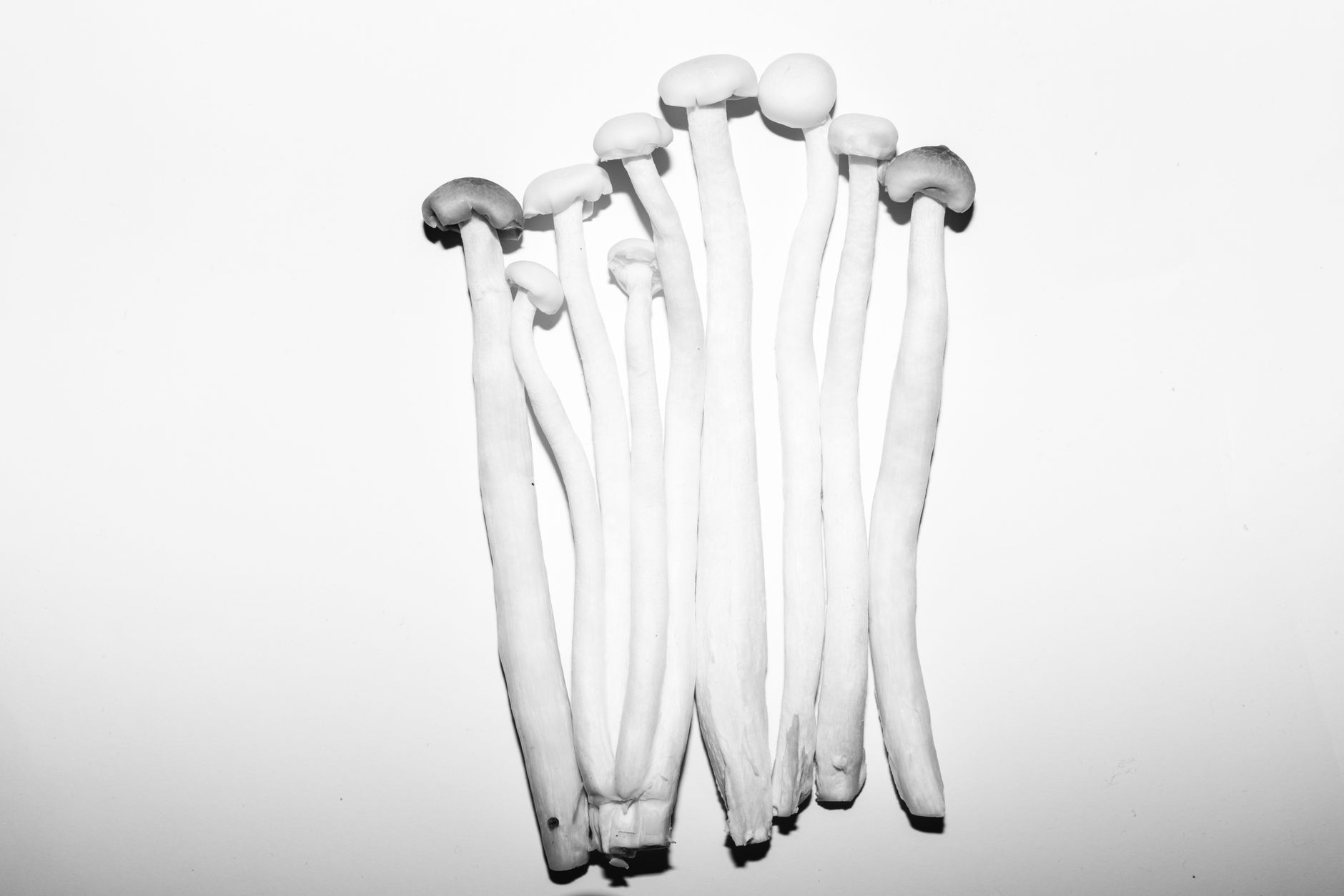
Among foods, edible mushrooms contain ergothioneine at levels far exceeding most other dietary sources. Oyster mushrooms (Pleurotus ostreatus), king oyster mushrooms (Pleurotus eryngii), shiitake, and porcini are among the highest-yielding species. Cooking generally does not degrade ergothioneine significantly, which makes culinary mushrooms a reliable vehicle for dietary intake.
For more on oyster mushrooms and their broader nutrient profile, see our overview of Oyster Mushroom: Culinary Staple With Surprising Health Properties.
Antioxidant Mechanism: How It Differs From Common Antioxidants
Unlike water-soluble antioxidants such as vitamin C, ergothioneine preferentially accumulates in tissues that face high oxidative stress: red blood cells, the liver, kidneys, bone marrow, and notably the brain. Its thiol/thione chemistry allows it to neutralize reactive oxygen species and reactive nitrogen species without generating pro-oxidant byproducts, a limitation associated with some other antioxidants at high concentrations.
A 2026 systematic review in Ageing Research and Reviews described ergothioneine as a candidate “longevity vitamin” and examined its role in targeting molecular hallmarks of aging, including telomere maintenance, mitochondrial integrity, and NRF2-mediated cytoprotection. The authors noted that its selective tissue accumulation via the OCTN1 transporter may support redox balance specifically in age-vulnerable tissues, and they called for rigorous clinical trials to evaluate its potential for extending healthspan.[1]
Neurological Research: Brain Health and Cognitive Aging
Perhaps the most active area of ergothioneine research is its potential relevance to brain health. Ergothioneine crosses the blood-brain barrier and accumulates in neural tissue, where oxidative stress and neuroinflammation are known contributors to age-related cognitive decline.
A 2026 review exploring the intersection of ergothioneine and physical exercise noted that the compound modulates redox balance, dampens chronic inflammation, and supports mitochondrial function in the brain. The authors proposed that ergothioneine, combined with regular exercise, may represent a low-risk, multifaceted approach to maintaining cognitive resilience in aging populations, though they emphasized that clinical studies combining both interventions are still needed.[2]
A separate 2026 study investigated whether ergothioneine might play a neuroprotective role in Parkinson’s disease. The researchers noted that population-level data link low blood ergothioneine levels to increased risk of neurological conditions, and that pre-clinical studies in animal models and human neuronal cultures have shown ergothioneine may reduce protein aggregation, support mitochondrial function, and attenuate neuroinflammation. The authors described ET as a “promising candidate” but were careful to distinguish preclinical findings from established clinical efficacy.[3]
Anti-Inflammatory Properties in Cellular Models
Beyond its antioxidant activity, ergothioneine may also modulate inflammatory pathways. A 2026 study published in Nutrients examined king oyster mushroom (Pleurotus eryngii) extracts and isolated ergothioneine in microglial cell models. When cells were stimulated with lipopolysaccharide (LPS) to mimic an inflammatory state, ergothioneine reduced nitrite production and inhibited expression of the NLRP3 inflammasome, a pathway implicated in chronic inflammation and neurodegenerative conditions. The researchers suggested that mushroom-derived ergothioneine and related compounds may be attractive candidates for reducing neuroinflammation, though they noted that further interventional studies are required to confirm these findings in humans.[4]
Metabolic and Cardiovascular Research
Ergothioneine has also attracted attention in the context of metabolic health. Preliminary research suggests it may support mitochondrial function in tissues under metabolic stress, and population studies have explored associations between ergothioneine levels and cardiovascular outcomes. The OCTN1 transporter’s high expression in certain metabolic and cardiovascular tissues provides a biological rationale for ongoing research in these areas.
It should be noted that most human data to date is associational, meaning that low ergothioneine levels are correlated with certain health conditions but causality has not been established. Randomized controlled trials are limited, and clinical recommendations cannot yet be drawn from the available evidence.
Which Mushrooms Contain the Most Ergothioneine?
Ergothioneine content varies substantially by species. Among commonly studied species:
- Oyster mushrooms (Pleurotus ostreatus) are among the most studied and consistently high-yielding sources.
- King oyster mushrooms (Pleurotus eryngii) have also shown high concentrations in multiple analyses.
- Shiitake (Lentinula edodes) and porcini (Boletus edulis) contain notable amounts, though generally lower than oyster varieties.
- Maitake, reishi, and chaga contain ergothioneine in varying amounts, though they are more commonly studied for their beta-glucan and triterpene content.
Ergothioneine is water-soluble and heat-stable, meaning it is retained reasonably well during standard cooking methods. Whether supplement forms concentrate ergothioneine at clinically relevant levels is an area that currently lacks standardized labeling or testing protocols.
How This Fits Into the Broader Functional Mushroom Picture
Ergothioneine is not unique to any single “functional” mushroom category. It is present across many edible and medicinal species, making it one of several bioactive compounds that researchers believe contribute to the broader health associations observed with regular mushroom consumption. Other compounds studied in functional mushrooms include beta-glucans, triterpenes (such as ganoderic acids in reishi), hericenones and erinacines (in lion’s mane), and polysaccharides in turkey tail.
The interplay between these compounds and whether ergothioneine contributes synergistically or independently to mushroom health effects is not yet well understood. Researchers have called for controlled human trials that isolate ergothioneine’s contribution and establish dose-response relationships before clinical guidance can be formulated.
What the Research Does and Does Not Show
Current evidence supports the following interpretations:
- Ergothioneine is present in mushrooms at concentrations meaningful relative to dietary intake.
- The body actively transports and retains ergothioneine in tissues subject to oxidative stress.
- Cell culture and animal studies suggest it may support antioxidant defense, reduce neuroinflammation, and support mitochondrial function.
- Epidemiological data links lower blood ergothioneine levels with various health outcomes, though causality remains unestablished.
- Human clinical trials are limited and do not yet support specific health claims or dosage recommendations.
Research into ergothioneine is moving quickly. The compound may prove to be one of the more significant nutritional arguments for increasing mushroom consumption, though conclusions drawn today are appropriately preliminary.
References
- 1. Zhao P, Qi Y. Ergothioneine as a potential geroprotector: Targeting molecular hallmarks of ageing and age-related diseases. Ageing Res Rev. 2026;119:103158. PMID: 42107722
- 2. Wazny VK, Grgic J, et al. Ergothioneine and exercise: A match made in (cognitive) heaven? Ageing Res Rev. 2026;114:102993. PMID: 41390100
- 3. Tng TJW, Cheah IK, Halliwell B, Lim KL. Potential Protection Against Parkinson’s Disease by Ergothioneine – Nature’s Multifactorial Neuroprotectant. Antioxidants (Basel). 2026;15(4):519. PMID: 42072160
- 4. Hininger-Favier IA, Fisher DR, et al. King Oyster Mushroom, Pleurotus eryngii, Inhibits Microglia Activation via the Interplay of NLRP3 to Alleviate Neuroinflammation. Nutrients. 2026;18(10):1495. PMID: 42196954
Disclaimer: This article is for informational purposes only and does not constitute medical advice. Ergothioneine research is ongoing, and the findings discussed here are largely preliminary. Consult a qualified healthcare provider before making changes to your diet or supplement regimen.