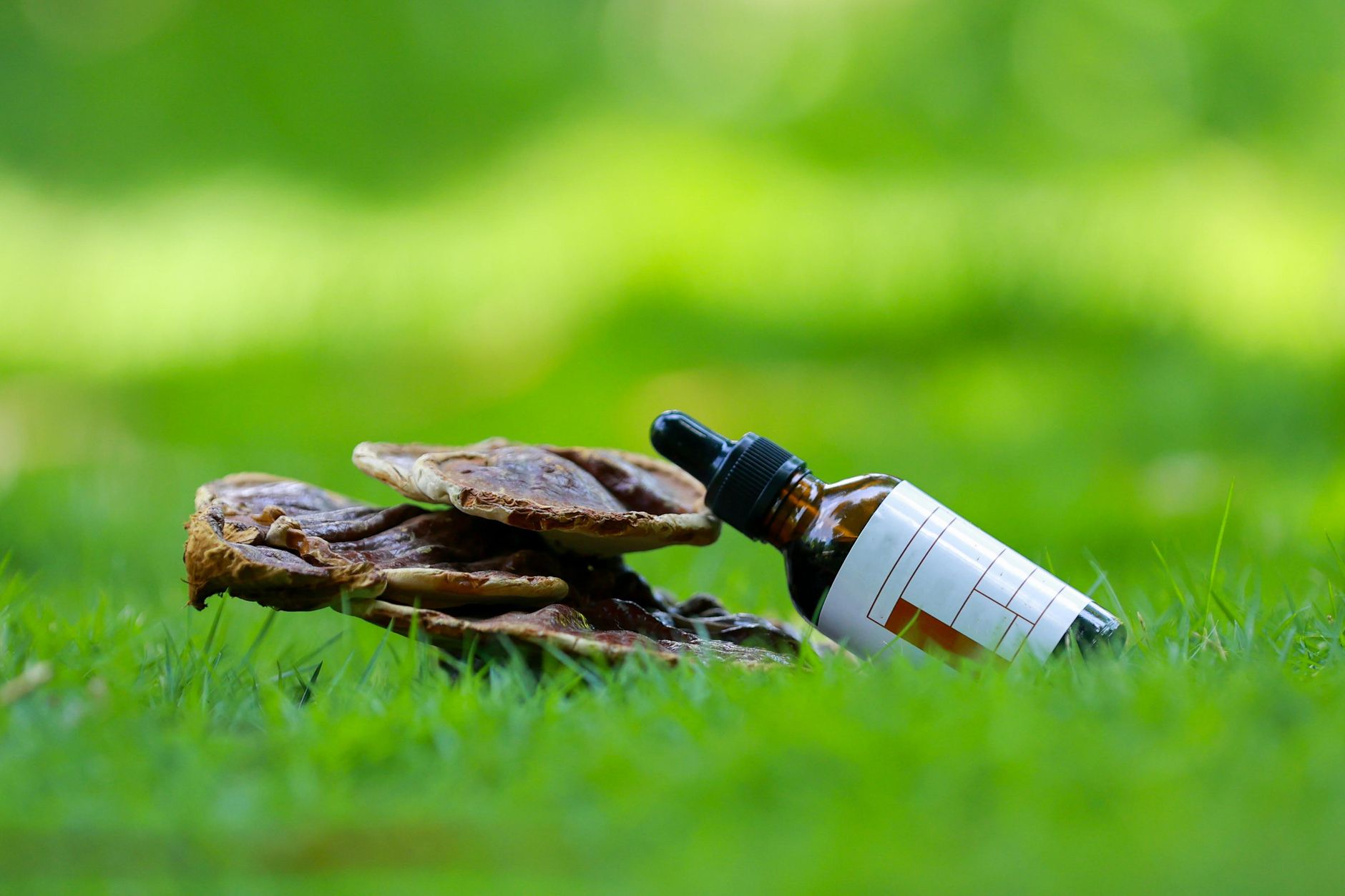
Interest in functional mushrooms has expanded considerably over the past decade, and a growing body of research is beginning to examine how specific species may relate to concerns that disproportionately affect women — including immune resilience, hormonal balance, mood stability, and menopausal transitions. While the evidence base remains developing, several well-studied mushrooms have been investigated in female populations with noteworthy early results.
This overview summarizes what current research indicates about functional mushrooms and women’s health, covering immune support, mood and anxiety, reproductive health, and healthy aging. As with all emerging research areas, findings should be interpreted with appropriate caution.
Turkey Tail and Immune Support in Women With Breast Cancer
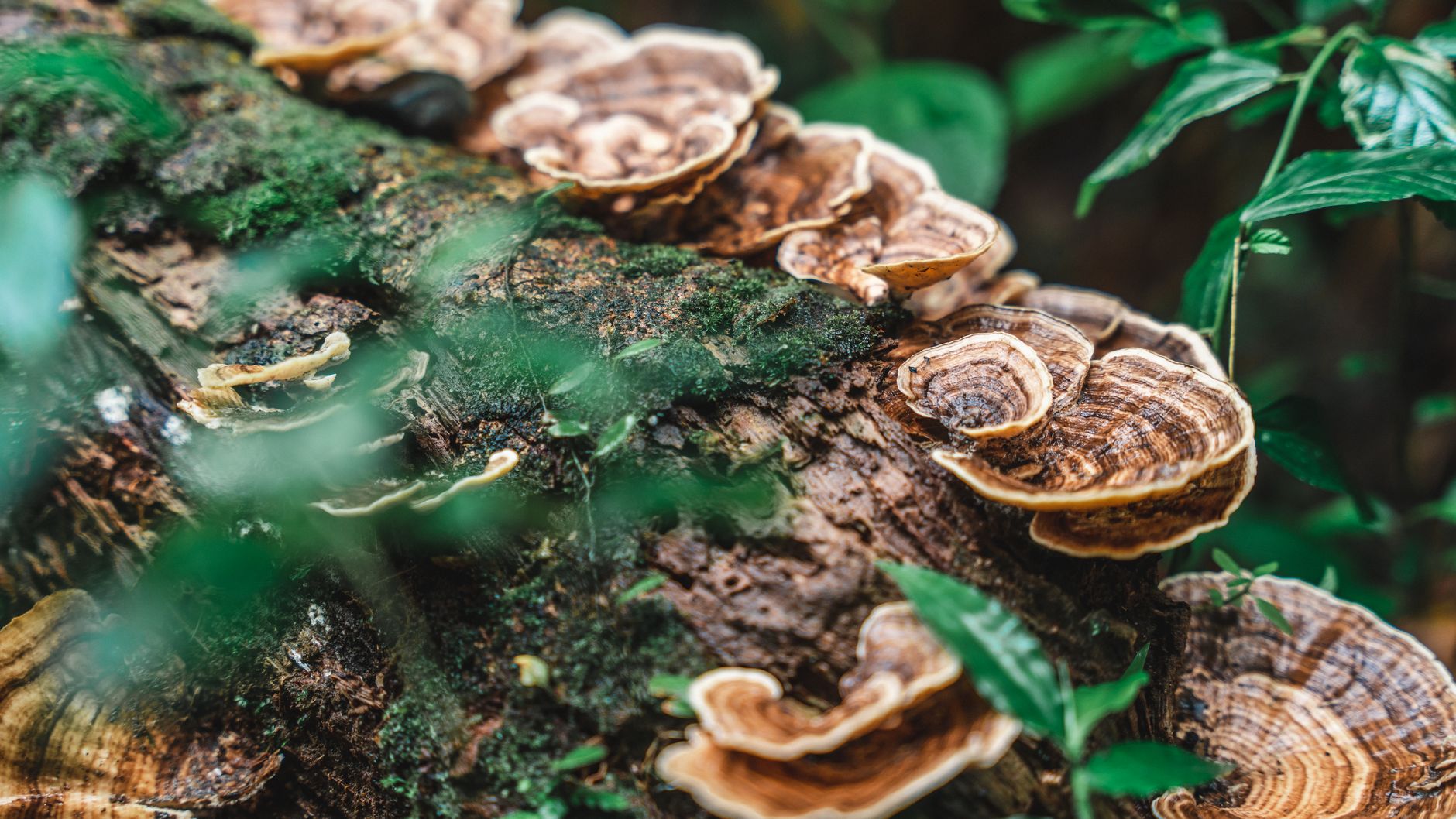
Trametes versicolor (turkey tail) is among the most researched functional mushrooms in oncology-adjacent contexts. A phase I clinical trial enrolled nine women with breast cancer who had recently completed radiotherapy. Participants received a T. versicolor preparation over six weeks at escalating amounts. Results indicated that the preparation was well tolerated, with trends toward increased natural killer cell functional activity and elevated CD8+ T cell counts — markers associated with immunological recovery.[1]
A separate observational study examined naturopathic oncology care in 324 women with breast cancer across six clinics. Researchers noted that Trametes versicolor was the most commonly prescribed fungal therapy, recommended to 63% of participants — a reflection of the clinical interest practitioners have placed in this species for immune support during cancer treatment.[2]
It is important to note that research on mushrooms and cancer is in early stages. Current studies do not establish that any mushroom supplement treats, prevents, or cures cancer. These findings relate to immune modulation and should not be interpreted as clinical recommendations for oncology care.
Reishi and Immune Function in Older Women
A 2024 double-blind clinical trial investigated the effects of Ganoderma lucidum (reishi) dry extract supplementation on T lymphocyte function in older women. Sixty women participated, with 23 completing supplementation in the active group. Results indicated that reishi supplementation increased lymphocyte proliferation in response to immune stimulation, and modulated gene expression in CD4+ lymphocytes — including upregulation of markers associated with regulatory and anti-inflammatory immune responses. The researchers concluded that reishi may support a predominant anti-inflammatory immune orientation in older women, though they noted the response appeared to differ from CD28-mediated T cell activation.[3]
These findings are particularly relevant in the context of aging, as immune function in postmenopausal women undergoes characteristic shifts. Research suggests that reishi’s beta-glucans and triterpenoids may interact with toll-like receptors and NK cell pathways, though the precise mechanisms in women-specific physiology warrant further investigation.
Lion’s Mane and Menopausal Mood Symptoms
Hericium erinaceus (lion’s mane) has attracted research interest for its potential effects on mood, anxiety, and cognitive function. A randomized controlled trial specifically examined its effects in 30 women, using validated tools including the Kupperman Menopausal Index, the Center for Epidemiologic Studies Depression Scale, and the Pittsburgh Sleep Quality Index.
After four weeks of H. erinaceus intake, participants in the active group showed significantly lower depression and “indefinite complaint” scores compared to baseline and the placebo group. Specific symptom areas including concentration, irritability, and anxiety showed trends toward improvement. The study authors noted this effect may occur through a mechanism distinct from the mushroom’s better-known nerve growth factor (NGF)-stimulating pathway.[4]
A separate Italian clinical study involving overweight individuals (mixed gender) found that eight weeks of H. erinaceus supplementation reduced depression, anxiety, and sleep disorders, with associated increases in circulating pro-BDNF levels.[5] While not specific to women, these findings are consistent with the mechanistic effects observed in the female-only trial.
Maitake and Hormonal Balance in PCOS
Polycystic ovary syndrome (PCOS) is among the most common endocrine disorders affecting women of reproductive age, often characterized by insulin resistance and irregular ovulation. Grifola frondosa (maitake) has been studied in this specific context.
An open trial conducted in Japan enrolled 80 women with PCOS across three clinics. Participants received maitake SX-fraction extract (MSX), clomiphene citrate (CC), or combination therapy. In the MSX monotherapy group, ovulation was observed in 76.9% of patients evaluated by cycle. Among women who had previously failed CC treatment, combination therapy with MSX yielded ovulation in 6 of 8 patients. Researchers attributed these effects to maitake’s potential to improve insulin sensitivity, a recognized mechanism of the SX-fraction.[6]
This study is exploratory and used an open trial design, which limits conclusions about causality. Nonetheless, it represents one of the more targeted investigations into functional mushrooms and female reproductive physiology available in the current literature.
Considerations for Women Choosing Mushroom Supplements
Several practical considerations apply specifically to women evaluating functional mushroom supplements:
Hormonal Context
Some research has examined whether certain mushroom compounds interact with estrogen pathways. Reishi contains ganoderic acids that may influence androgen metabolism in preclinical models. While this remains primarily studied in vitro and in animal models, women with hormone-sensitive conditions may wish to consult a healthcare provider before beginning supplementation.
Pregnancy and Lactation
Clinical safety data for functional mushroom supplements during pregnancy or breastfeeding is limited. Standard guidance in this area recommends caution and consultation with a qualified healthcare provider before use.
Supplement Quality and Standardization
The clinical studies summarized here used specific, standardized preparations. Consumer-grade supplements vary considerably in beta-glucan content, extraction method, and source material. For those seeking to apply research findings, understanding how mushroom compounds are extracted and standardized is an important first step in supplement selection.
Interaction Awareness
Functional mushrooms with immunomodulating properties — including turkey tail and reishi — may theoretically interact with immunosuppressant medications or affect blood sugar regulation when combined with glucose-lowering agents. Women managing chronic health conditions should discuss functional mushroom use with their prescribing clinician.
Summary
Current research indicates that several functional mushrooms may support aspects of women’s health across different life stages. Turkey tail has been investigated for immune support during oncological recovery. Reishi dry extract has demonstrated effects on T lymphocyte function in older women in a double-blind clinical trial. Lion’s mane shows early signals for supporting mood and menopausal symptoms in randomized controlled research. Maitake extract has been studied in the context of ovulation induction in PCOS, with notable preliminary findings.
The evidence across these areas is at varying stages of development. Larger, well-controlled trials in female populations remain needed before definitive clinical recommendations can be made. Individuals with health concerns specific to hormonal health, cancer treatment, or reproductive function should work with qualified healthcare providers when evaluating whether functional mushrooms may be appropriate additions to their care.
References
- [1] Torkelson CJ et al. Phase 1 Clinical Trial of Trametes versicolor in Women with Breast Cancer. ISRN Oncol. 2012. PMID: 22701186
- [2] Standish LJ et al. Breast Cancer Integrative Oncology Care and Its Costs. Integr Cancer Ther. 2017. PMID: 27230757
- [3] Iser-Bem PN et al. Ganoderma lucidum dry extract supplementation modulates T lymphocyte function in older women. Br J Nutr. 2024. PMID: 38800991
- [4] Nagano M et al. Reduction of depression and anxiety by 4 weeks Hericium erinaceus intake. Biomed Res. 2010. PMID: 20834180
- [5] Vigna L et al. Hericium erinaceus Improves Mood and Sleep Disorders in Patients Affected by Overweight or Obesity. Evid Based Complement Alternat Med. 2019. PMID: 31118969
- [6] Chen JT et al. Maitake mushroom (Grifola frondosa) extract induces ovulation in patients with polycystic ovary syndrome. J Altern Complement Med. 2010. PMID: 21034160
Disclaimer: This article is for informational purposes only and does not constitute medical advice. Functional mushroom supplements are not intended to diagnose, treat, cure, or prevent any disease or medical condition. Always consult a qualified healthcare provider before beginning any supplement regimen, particularly if you are pregnant, breastfeeding, managing a chronic condition, or taking prescription medications.