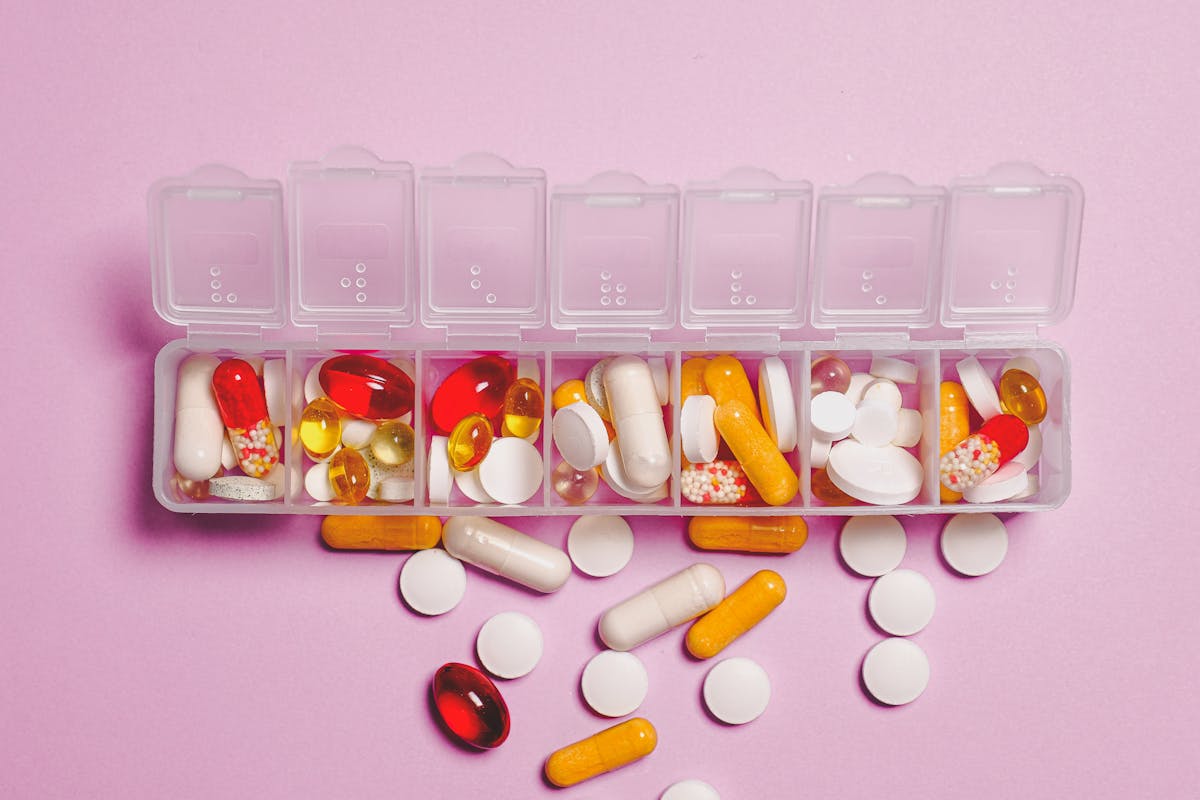
Mushroom supplements have earned a place in many wellness routines, but the conversation around quality rarely extends past the moment of purchase. Once a product leaves the shelf of a retailer, its bioactive integrity depends entirely on how it is stored. Temperature swings, humidity, light exposure, and extended time can all influence whether the compounds inside a capsule, powder, or tincture remain viable. Understanding the science behind supplement degradation helps consumers make decisions that protect both their investment and their health.
Why Storage Conditions Matter for Mushroom Supplements
The active compounds in functional mushroom supplements span several chemical classes: beta-glucans, triterpenes, hericenones, erinacines, ergosterol, and various antioxidant phenolics. Each of these compound families has a different sensitivity profile. Beta-glucans, for instance, are polysaccharide chains that are generally considered relatively stable in dry conditions, but moisture can promote microbial contamination and trigger enzymatic breakdown over time. Triterpenes, such as the ganoderic acids found in reishi extracts, may be more susceptible to oxidative degradation under conditions of heat and light.
A 2026 study published in Food Research International examined Ganoderma lucidum extracts and found that oral delivery results in substantial degradation, with bioavailability estimated at below 10%.[1] While this speaks primarily to digestive metabolism, the underlying message applies equally to pre-consumption storage: the compounds in mushroom extracts are not inert. They are subject to physical and chemical changes from the moment they are produced, and those changes continue during long-term storage in suboptimal conditions.
The Role of Moisture: The Primary Threat to Powders and Capsules
Hygroscopicity, or the tendency of a substance to absorb moisture from the surrounding air, is one of the most significant challenges in nutraceutical preservation. A 2026 review in Drug Design, Development and Therapy noted that moisture absorption leads to chemical degradation, physical instability, and compromised therapeutic efficacy in pharmaceutical and nutraceutical products.[2] The same authors found that conventional polymer coatings maintained moisture uptake below 1.5% during long-term storage at 40°C and 75% relative humidity, underscoring how much packaging and environmental controls matter.
For mushroom powders and capsules, this means that any container left open on a kitchen counter in a humid climate is at risk. Clumping in powders is often the first visible sign of moisture ingress, but chemical degradation may occur before any physical changes are apparent.
Recommended Storage for Powders and Capsules
- Keep the original container sealed between uses
- Store in a cool, dry location away from the stove or dishwasher
- Avoid storing in bathrooms, where humidity levels fluctuate frequently
- Consider using desiccant packets inside bulk containers
- Do not transfer to clear glass jars unless they are stored away from light
Temperature and Its Effect on Bioactive Compounds
Heat accelerates most chemical reactions, including the oxidation and hydrolysis pathways that degrade bioactive compounds. Most mushroom supplement manufacturers recommend storing products below 25°C (77°F), and away from direct heat sources. Tinctures and liquid extracts may have a somewhat broader temperature tolerance due to their alcohol or glycerin base, which provides a stabilizing matrix, but they are not immune to long-term thermal stress.
Freezing is generally not necessary for shelf-stable capsules or powders, but it may extend the potency window for high-value tinctures or fresh mycelium extracts that have been stored long-term. If freezing is used, moisture-proof packaging is essential to prevent condensation-related degradation upon thawing.
Light Exposure and Oxidative Degradation
Ultraviolet and visible light can catalyze oxidative reactions that break down sensitive phytochemicals. Ergosterol, the precursor to vitamin D2 in mushrooms, is notably light-sensitive. Triterpenes and certain polyphenols may also be susceptible. This is why many quality supplement manufacturers use amber glass or opaque, dark-colored containers rather than clear plastic or glass.
Consumers who decant supplements into decorative apothecary jars or clear containers for display purposes may inadvertently accelerate bioactive degradation, particularly if the container sits on a well-lit counter or windowsill. Cupboard storage or a dedicated supplement drawer is generally the more protective option.
Shelf Life: What Expiration Dates Actually Indicate
The expiration date on a supplement bottle is a manufacturer’s estimate of how long the product maintains its labeled potency under recommended storage conditions. It does not indicate that the product becomes unsafe immediately upon expiration. However, it does suggest that potency may have declined to a point where the manufacturer can no longer guarantee label claims are met.
For mushroom extracts standardized to specific beta-glucan or triterpene content, this distinction matters. A product labeled as containing 30% beta-glucans that has been stored improperly for two years past its expiration may deliver considerably less than labeled. Quality-conscious consumers may wish to cross-reference certificate of analysis (COA) data with the lot number on their bottle: our detailed guide to reading a mushroom supplement COA explains how to interpret these documents and what markers to check for.
Tinctures and Liquid Extracts: A Different Set of Considerations
Liquid extracts typically use ethanol or a dual water-alcohol extraction process that naturally provides some antimicrobial and oxidative protection. A well-made tincture stored in an amber dropper bottle at room temperature may remain stable for two to three years under appropriate conditions. However, the alcohol concentration matters: tinctures with lower alcohol content or those that have been diluted with water may be more prone to microbial growth.
Refrigeration after opening is recommended by some manufacturers for liquid extracts, particularly those with no alcohol base. In any case, checking for changes in color, odor, or clarity is a reasonable first-line assessment of whether a tincture has degraded significantly.
Label Integrity and Mislabeling: A Related Concern
Proper storage is only one dimension of supplement quality. A 2024 review in Critical Reviews in Food Science and Nutrition examined label compliance for botanical immune health products in the United States, noting that functional mushrooms are among the products most susceptible to adulteration and inaccurate labeling, due in part to supply chain pressures and inconsistent quality control standards.[3] The authors highlight that what is printed on the label may not always reflect what is in the bottle, which means that even optimally stored products may not deliver expected outcomes if the underlying quality is compromised at the manufacturing stage.
This reinforces the importance of purchasing from brands that provide third-party COAs and using batch-specific testing data to verify beta-glucan content, the absence of heavy metals, and identification of the correct mushroom species.
Practical Storage Summary by Form
Capsules and Tablets
Store in original, tightly sealed container; keep at room temperature below 25°C; avoid humidity above 60%; keep away from direct light.
Powders
Seal immediately after each use; consider adding a food-safe desiccant packet; store in a pantry or cabinet, not on the countertop; if bulk quantities are being stored, divide into smaller batches to minimize repeated exposure to air.
Tinctures and Liquid Extracts
Store upright in amber glass; keep away from heat and light; refrigerate after opening if the product contains no alcohol or has a low alcohol content; check periodically for changes in appearance or smell.
References
- [1] Jiang T, et al. Comprehensive evaluation of Ganoderma lucidum extracts: digestion kinetics, gut microbiota modulation, and immunoregulatory mechanisms. Food Res Int. 2026. PMID 41794511
- [2] Pitriani P, et al. Protection of Hygroscopic Pharmaceutical and Nutraceutical Active Ingredients via Film Coating Technologies: A Review. Drug Des Devel Ther. 2026. PMID 42182586
- [3] You H, et al. Label compliance for ingredient verification: regulations, approaches, and trends for testing botanical products marketed for “immune health” in the United States. Crit Rev Food Sci Nutr. 2024. PMID 36123797
This article is for informational purposes only and does not constitute medical advice. Always consult a qualified healthcare provider before starting any supplement.