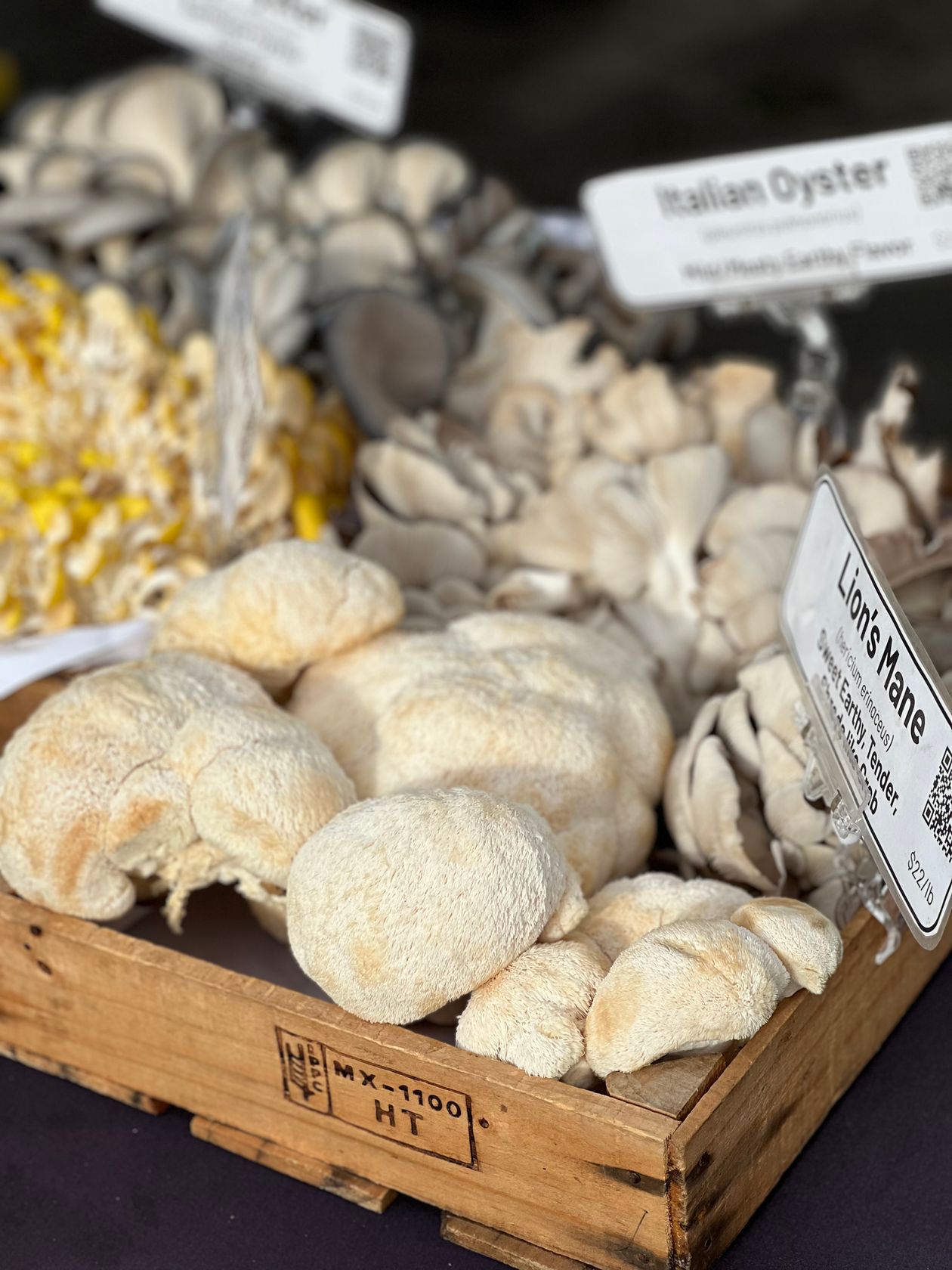
Lion’s mane and reishi are two of the most studied functional mushrooms in contemporary supplement research. Both have accumulated substantial scientific literature, yet they target distinctly different physiological pathways. Understanding those differences can help consumers make more informed choices about which mushroom, or combination of mushrooms, may align with their health goals.
What Is Lion’s Mane?
Lion’s mane (Hericium erinaceus) is a white, shaggy mushroom native to North America, Europe, and Asia. It has been used in traditional East Asian medicine for centuries, and modern research has increasingly focused on its neuroactive properties. The mushroom contains two classes of bioactive compounds unique to the species: hericenones (from the fruiting body) and erinacines (from the mycelium). Both appear to stimulate the synthesis of nerve growth factor (NGF), a protein involved in the growth, maintenance, and survival of neurons.
Research suggests that supplementation with H. erinaceus may support cognitive function and neurogenesis. A 2019 animal study published in Nutrients found that two months of oral supplementation reversed age-related recognition memory decline and was associated with increased neurogenesis in the hippocampus and cerebellum of aging mice.[1] Separate work published in the International Journal of Molecular Sciences reviewed evidence suggesting that bioactive compounds from H. erinaceus promote NGF expression associated with cell proliferation, and that the mushroom may support mood and neurological health through these neurotrophic mechanisms.[2]
What Is Reishi?
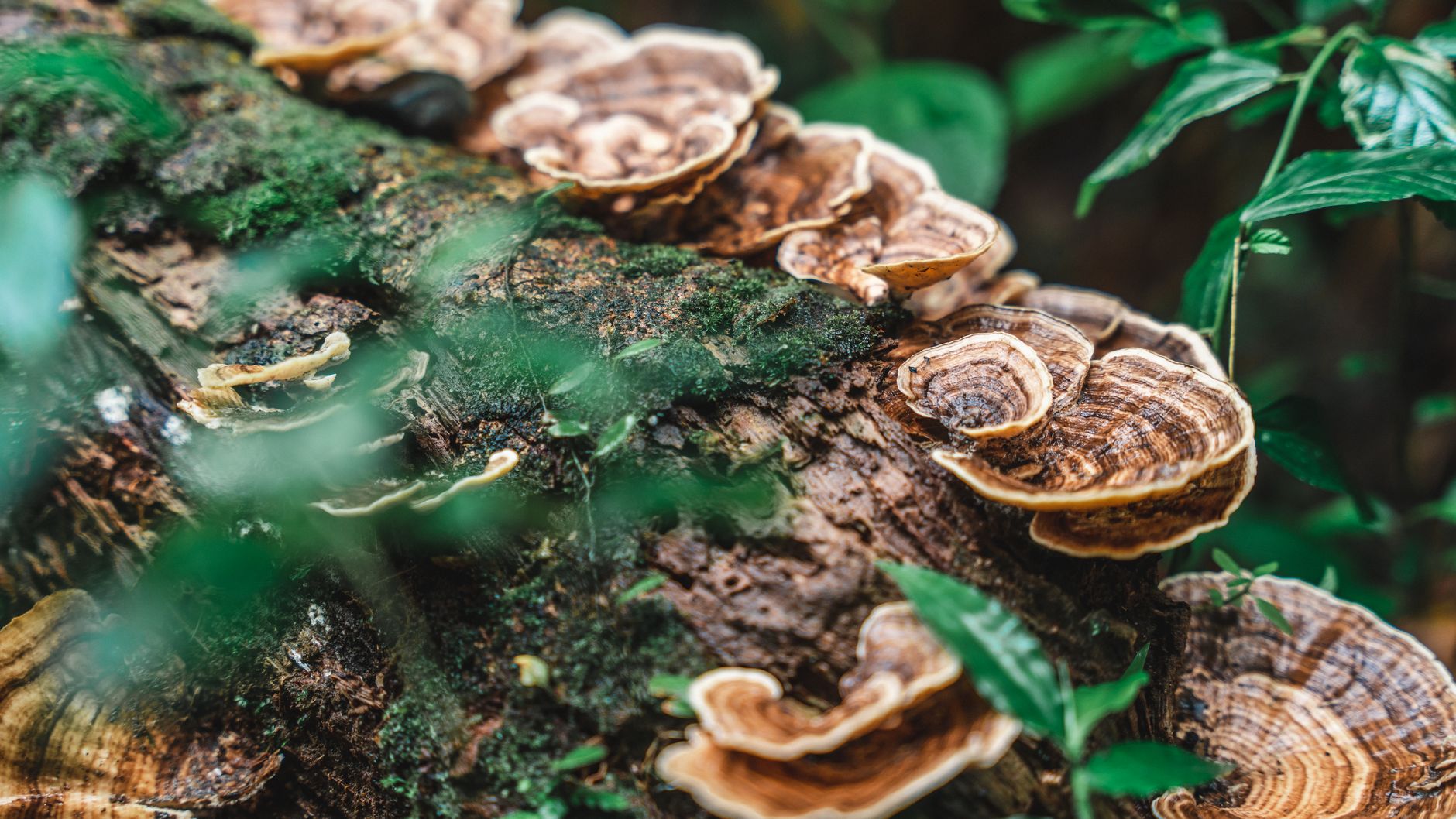
Reishi (Ganoderma lucidum) is a shelflike, reddish-brown mushroom with a glossy surface that grows on decaying hardwood trees. Known in traditional Chinese medicine as lingzhi, reishi has a history spanning over two thousand years. Contemporary research has concentrated primarily on its immunomodulatory and adaptogenic properties, driven largely by its high content of polysaccharides and triterpenes.
Clinical evidence indicates reishi may modulate immune function in measurable ways. A randomized, double-blind, placebo-controlled trial published in Foods found that healthy adults who received Reishi beta-1,3;1,6 D-glucan for 84 days showed significant increases in CD3+, CD4+, and CD8+ T-lymphocytes, improved CD4/CD8 ratios, and higher natural killer cell counts compared to placebo, with no significant changes in kidney or liver function markers.[3] A separate double-blind clinical trial in older women found that supplementation with G. lucidum dry extract for eight weeks modulated T lymphocyte function and promoted an anti-inflammatory immune profile.[4]
Key Differences at a Glance
Primary Area of Action
The most fundamental difference between these two mushrooms is their primary area of physiological influence. Lion’s mane is most associated with the nervous system, particularly around neurogenesis, cognitive function, and mood-related pathways. Reishi, by contrast, is most consistently linked to immune regulation and general stress adaptation. While there is overlap in their antioxidant and anti-inflammatory properties, their lead mechanisms diverge significantly.
Bioactive Compounds
Lion’s mane is distinguished by hericenones and erinacines, compounds that appear to cross the blood-brain barrier and stimulate NGF production. Reishi’s primary bioactives are its polysaccharide fractions (especially beta-glucans) and triterpenes such as ganoderic acids. Triterpenes contribute to reishi’s bitter taste and are believed to support liver function and immune signaling, though human trial data remain more limited in this area.
Research Profile
Both mushrooms have a reasonable base of preclinical and early clinical research, though neither has been evaluated in large-scale, long-duration human trials sufficient to establish definitive clinical claims. Lion’s mane cognitive research is more concentrated and mechanistically specific, while reishi immune research spans a broader range of outcomes including lymphocyte activity, natural killer cell function, and inflammatory markers.
Which Mushroom Is Right for You?
The question of which mushroom is “right” depends largely on the health goal in question. Individuals primarily interested in cognitive support, memory, or mood may find that lion’s mane aligns more closely with their objectives based on the current literature. Those focused on immune function, recovery, or general stress adaptation may find reishi’s research profile more relevant.
It is also worth noting that these mushrooms are not mutually exclusive. Many functional mushroom supplements combine both, and there is no known interaction between them that would preclude concurrent use. For a broader overview of how different functional mushrooms can be combined, see our guide on mushroom stacks and which species work well together.
Supplement Form Considerations
Both lion’s mane and reishi are available in capsules, powders, tinctures, and extracts. For lion’s mane, dual-extraction products that include both mycelium and fruiting body may capture a broader range of the bioactive compounds studied in the literature. For reishi, products standardized to beta-glucan content provide a more consistent basis for comparing potency across brands. As with all functional mushroom supplements, the extraction method and part of mushroom used significantly affect the final bioactive profile.
Summary
Lion’s mane and reishi represent two of the better-researched functional mushrooms, and their effects appear largely complementary rather than redundant. Lion’s mane research concentrates on neural and cognitive pathways, while reishi research centers on immune modulation and anti-inflammatory activity. Neither mushroom is a substitute for medical treatment, and individuals with underlying health conditions or those taking immunosuppressive medications should consult a healthcare provider before adding either to their routine.
References
- [1] Ratto D, et al. Hericium erinaceus Improves Recognition Memory and Induces Hippocampal and Cerebellar Neurogenesis in Frail Mice during Aging. Nutrients. 2019;11(4):715. PMID: 30934760
- [2] Chong PS, et al. Therapeutic Potential of Hericium erinaceus for Depressive Disorder. Int J Mol Sci. 2019;21(1):163. PMID: 31881712
- [3] Chen SN, et al. Evaluation of Immune Modulation by beta-1,3;1,6 D-Glucan Derived from Ganoderma lucidum in Healthy Adult Volunteers, A Randomized Controlled Trial. Foods. 2023;12(3):659. PMID: 36766186
- [4] Iser-Bem PN, et al. Ganoderma lucidum dry extract supplementation modulates T lymphocyte function in older women. Br J Nutr. 2024;132(2):130-140. PMID: 38800991
Disclaimer: This article is for informational purposes only and does not constitute medical advice. The statements on this page have not been evaluated by the Food and Drug Administration. These products are not intended to diagnose, treat, cure, or prevent any disease. Consult a qualified healthcare provider before starting any new supplement regimen.