The oyster mushroom (Pleurotus ostreatus) is one of the most widely cultivated fungi in the world, valued for its mild flavor and tender texture. Beyond its culinary appeal, a growing body of research suggests that this accessible mushroom may offer a range of biologically active properties — from immune modulation to lipid metabolism effects and antioxidant activity. This article reviews what the current science shows about oyster mushrooms and their potential relevance to human health.
What Is Pleurotus Ostreatus?
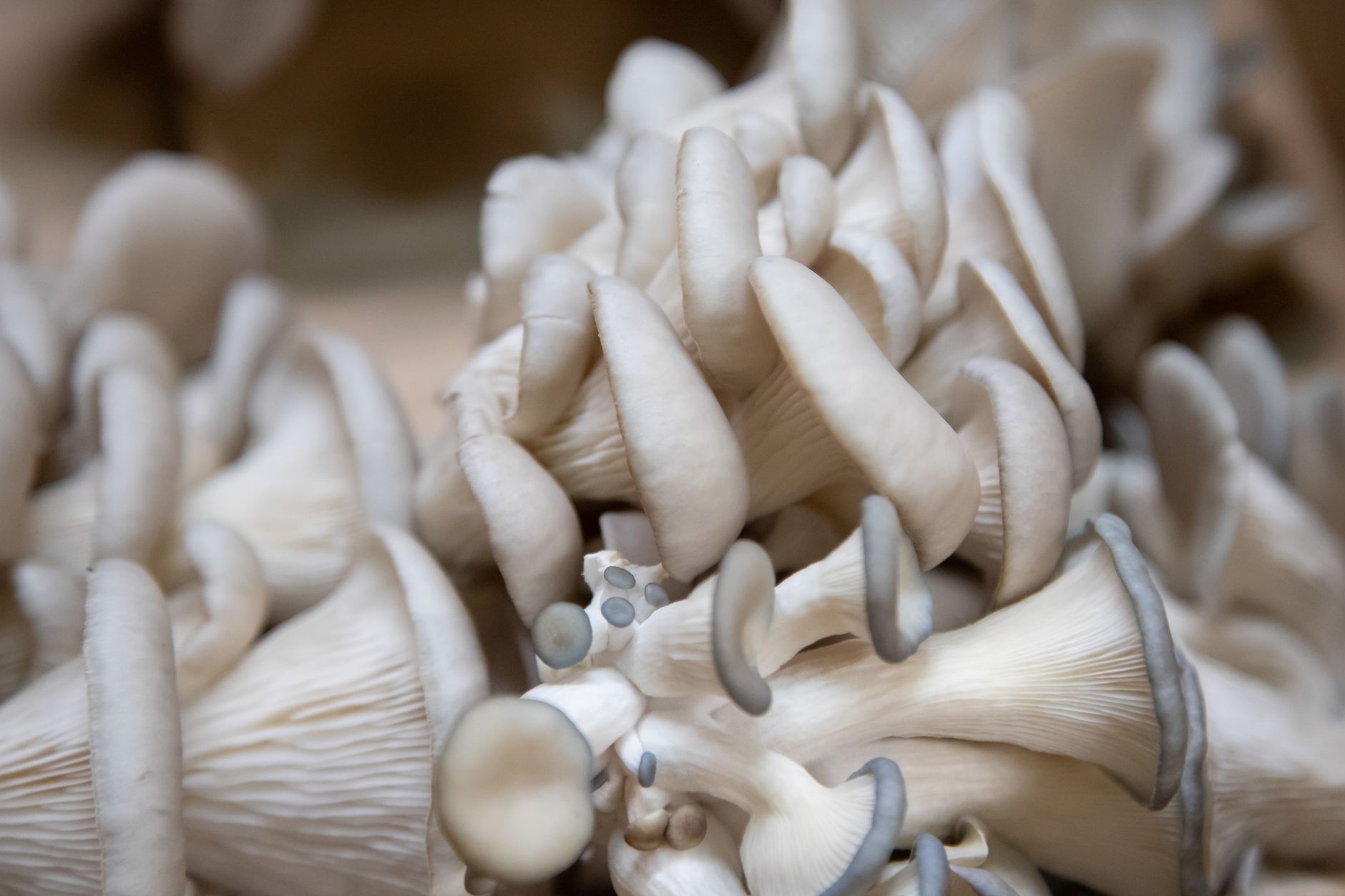
Pleurotus ostreatus, commonly known as the oyster mushroom, belongs to the genus Pleurotus, which encompasses several dozen edible and medicinally studied species. It grows naturally on the wood of deciduous trees and is now cultivated globally, making it one of the most commercially produced mushrooms alongside button and shiitake varieties. Its fan- or shelf-shaped fruiting body ranges in color from pale grey to white and brown depending on growing conditions.
Unlike some functional mushrooms that require specific extraction processes to access bioactive compounds, oyster mushrooms are commonly consumed as whole food. They contain a notable array of bioactive constituents including beta-glucans (specifically beta-1,3/1,6-D-glucans, known as pleuran), ergothioneine, phenolic compounds, ergosterol (a precursor to vitamin D2), and in some preparations, lovastatin — a naturally occurring statin-like compound.
Beta-Glucans and Immune Modulation
The most studied bioactive fraction of oyster mushrooms is pleuran, a beta-1,3/1,6-D-glucan derived from the cell walls of P. ostreatus. Beta-glucans are recognized as biological response modifiers: they interact with immune receptors, particularly Dectin-1, on the surface of macrophages, dendritic cells, and natural killer cells.
Research indicates that beta-glucans from Pleurotus species may help modulate both innate and adaptive immune responses. One review of fungal beta-glucan biology noted that pleuran from oyster mushrooms has demonstrated immunostimulatory effects, including increased Th1 lymphocyte activity and potential anticarcinogenic properties in preclinical models.[1]
A broader review of mushrooms and immunity highlighted that beta-glucans and fungal immunomodulatory proteins are responsible for many of the immune effects observed across multiple mushroom species, and specifically referenced a placebo-controlled study using beta-glucan from Pleurotus ostreatus in athletes.[2] The authors emphasized that while in vitro and animal data are encouraging, well-designed clinical trials in humans remain limited — a point worth bearing in mind when interpreting current evidence.
Lipid Metabolism: Cholesterol and Cardiovascular Markers
One of the more intriguing properties associated with oyster mushrooms is their potential influence on lipid metabolism. Several mechanisms have been proposed.
First, the beta-glucan content may contribute to reductions in serum cholesterol, likely through viscous fiber mechanisms that bind bile acids in the gut. Research on beta-glucans from Pleurotus species has noted associations with decreased total cholesterol in preclinical models, alongside possible contributions to weight regulation.[1]
Second, certain preparations of Pleurotus mycelium have been found to contain lovastatin, a naturally occurring HMG-CoA reductase inhibitor. A detailed analysis of Pleurotus species — including P. ostreatus — identified lovastatin among the biologically active substances found in mycelia, alongside phenolic and indole compounds.[3] Notably, the concentration of these compounds varied between mycelial preparations and whole fruiting bodies, suggesting that the form of the supplement or food may influence its bioactive profile.
It should be noted that most lipid-related findings come from preclinical studies. Human trials investigating oyster mushrooms and cardiovascular markers are sparse and methodologically mixed, and no specific intake guidance can be drawn from the current literature.
Antioxidant Activity and Ergothioneine
Oyster mushrooms contain several compounds with antioxidant activity, including phenolic compounds and ergothioneine — an amino acid derivative that functions as a cellular antioxidant and is notably difficult to obtain from non-fungal food sources.
A cell-based study examined aqueous extracts of Pleurotus ostreatus in ultraviolet A (UVA)-exposed human dermal fibroblasts. The extracts demonstrated DPPH and ABTS radical-scavenging activity in a dose-dependent manner, and the oyster mushroom extract increased procollagen production while decreasing matrix metalloproteinase-1 activity in UV-damaged cells. The total ergothioneine content in the P. ostreatus extract was measured at approximately 3.43 mg/g dry weight.[4] While this was an in vitro model, the findings point toward potential protective effects at the cellular level worth investigating further in vivo.
Nutritional Profile
Apart from bioactive compounds, oyster mushrooms have a favorable basic nutritional profile. They are low in fat and calories, provide a modest amount of dietary protein relative to most vegetables, and contain B vitamins including riboflavin, niacin, and pantothenic acid. They are also a source of ergosterol, which converts to vitamin D2 when exposed to UV light.
Their high water content means that the concentration of bioactive compounds in fresh mushrooms is considerably lower than in dried or extracted forms. For those interested in using oyster mushrooms for specific health-related purposes, the form and preparation method may matter more than culinary use alone.
Oyster Mushrooms in Context
Oyster mushrooms are not as frequently featured in functional supplement formulations as lion’s mane, reishi, or turkey tail, but research interest in the genus continues to grow. Their accessibility — inexpensive, widely cultivated, and easy to cook — makes them a practical addition to a health-conscious diet.
For those exploring the broader immune-supporting potential of edible fungi, oyster mushrooms pair well conceptually with other beta-glucan-rich species. You can find a detailed breakdown of one closely related culinary mushroom in our article on Shiitake Mushroom: Health Benefits Beyond the Kitchen.
Summary
The oyster mushroom (Pleurotus ostreatus) is more than a culinary ingredient. Research suggests it may support immune function through its beta-glucan content (pleuran), contribute to lipid metabolism via fiber and naturally occurring lovastatin-like compounds in some preparations, and offer antioxidant protection through phenolics and ergothioneine. The current evidence base is promising but remains predominantly preclinical. Human clinical trials are limited, and claims of therapeutic effect should be approached with appropriate caution.
References
- [1] Rop O, Mlcek J, Jurikova T. Beta-glucans in higher fungi and their health effects. Nutr Rev. 2009;67(11):624-631. PMID: 19906249
- [2] Motta F, Gershwin ME, Selmi C. Mushrooms and immunity. J Autoimmun. 2021;117:102576. PMID: 33276307
- [3] Krakowska A, et al. Selected edible medicinal mushrooms from Pleurotus genus as an answer for human civilization diseases. Food Chem. 2020;327:127084. PMID: 32446029
- [4] Choi J, et al. Aqueous Extracts of Pleurotus ostreatus and Hericium erinaceus Protect against Ultraviolet A-Induced Damage in Human Dermal Fibroblasts. Int J Med Mushrooms. 2022;24(2):63-74. PMID: 35446523
Disclaimer: This article is for informational purposes only and does not constitute medical advice. The statements on this page have not been evaluated by the Food and Drug Administration. Mushroom supplements are not intended to diagnose, treat, cure, or prevent any disease. Consult a qualified healthcare provider before making any changes to your health regimen.