
Stress is a biological reality. Cortisol, the hormone most closely associated with the stress response, serves a genuine physiological purpose: it prepares the body to respond to perceived threats, regulates blood sugar, and supports immune function. The problem isn’t cortisol itself; it’s chronic overproduction. When the stress response never fully shuts off, elevated cortisol over time contributes to poor sleep, weight gain, immune suppression, and mood disorders.
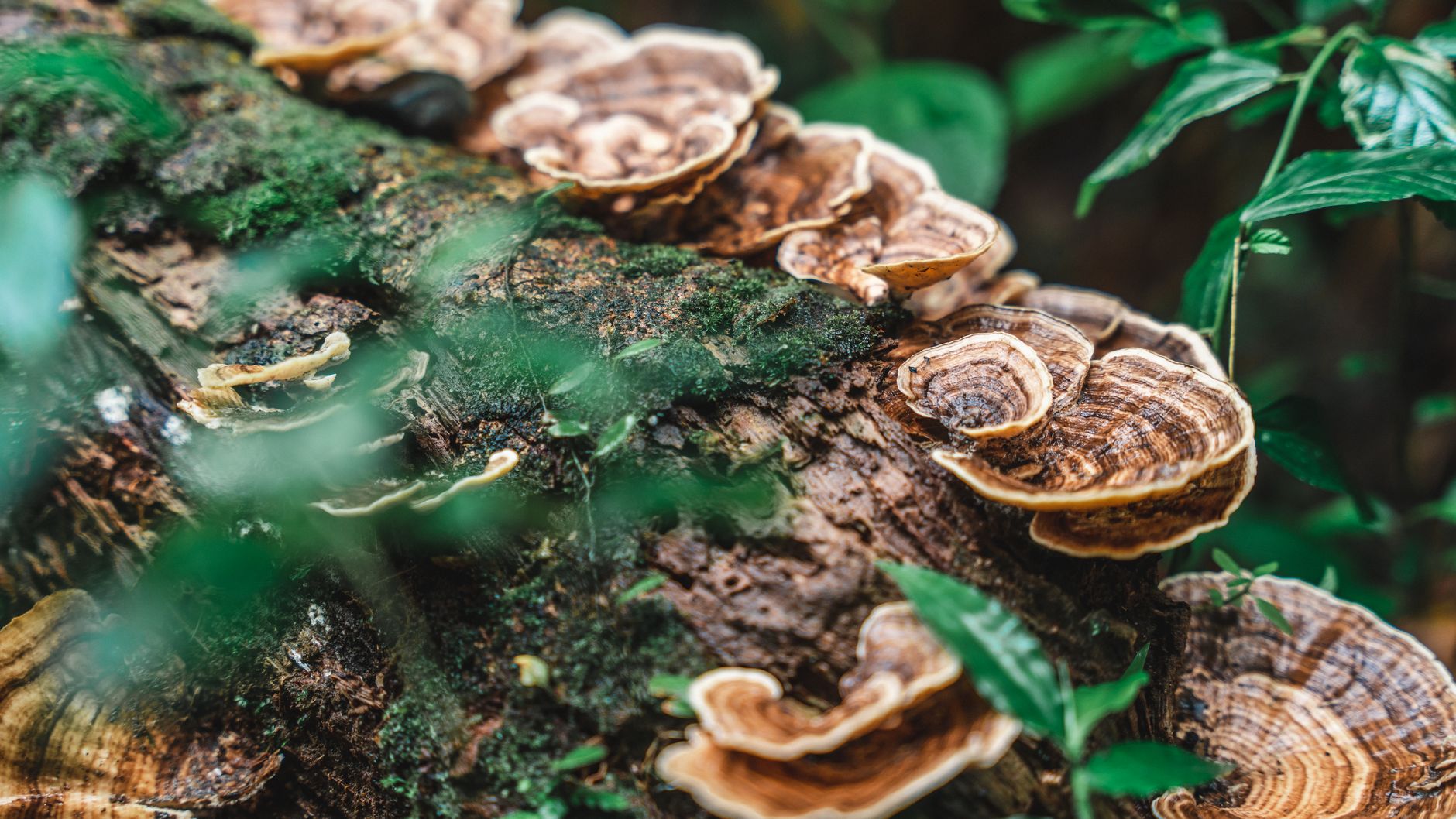
Enter Reishi (Ganoderma lucidum), a mushroom with centuries of use in traditional East Asian medicine and a growing body of modern research. The question worth asking: is there real evidence that Reishi can influence cortisol levels, or is this wellness marketing dressed in scientific language?
What Makes Reishi Potentially Relevant to Stress
Reishi contains several bioactive compound classes, but two are most relevant to stress physiology: triterpenoids and beta-glucans. The triterpenoids found in Reishi, particularly ganoderic acids, have demonstrated affinity for receptors involved in adrenal function and inflammatory signaling. Beta-glucans contribute to immune modulation, which intersects significantly with chronic stress responses.
Reishi is frequently categorized as an adaptogen: a compound that may help the body maintain homeostasis under physiological or psychological stress. That classification implies bidirectional regulation; the idea that it buffers extremes rather than simply suppressing or stimulating a single pathway.
What the Research Actually Shows
Direct human studies on Reishi and cortisol specifically are limited, which is worth acknowledging upfront. Much of the evidence comes from animal models, in vitro studies, or clinical trials focused on adjacent outcomes like fatigue, mood, or immune markers.
A randomized, double-blind, placebo-controlled trial published in the Journal of Medicinal Food examined the effects of a Ganoderma lucidum polysaccharide extract on fatigue and quality of life in patients with neurasthenia, a condition characterized by chronic fatigue and stress-related symptoms. Participants in the Reishi group reported significantly reduced fatigue scores and improved sense of wellbeing compared to placebo.[1] While cortisol wasn’t directly measured, the subjective stress reduction was statistically meaningful.
A separate pilot clinical trial found that Ganoderma lucidum spore powder improved fatigue scores and quality of life in patients undergoing endocrine therapy, with measurable reductions in self-reported fatigue and anxiety over the supplementation period.[2]
Animal Research on the HPA Axis
Studies in rodent models have explored Reishi’s effects on the hypothalamic-pituitary-adrenal (HPA) axis, the central control system for cortisol release. Several studies using chronic unpredictable stress protocols found that Reishi extracts attenuated corticosterone elevation (the rodent equivalent of cortisol) and reduced markers of oxidative stress in the brain. These findings suggest a plausible mechanism, though extrapolating from rodents to humans always requires caution.
The Sleep Connection
One of the more consistent findings in Reishi research involves sleep quality. Cortisol and sleep are tightly linked: elevated evening cortisol suppresses melatonin and disrupts the restorative phases of sleep, which in turn drives higher cortisol the following day. A cyclical problem. Research on Ganoderma lucidum in women with fibromyalgia found improvements in physical fitness and sleep-related quality of life measures, supporting the hypothesis that Reishi may help normalize the sleep-stress cycle.[3]
For more on how Reishi supports sleep specifically, see our article on Reishi mushroom for sleep: the science behind the calm.
Reishi vs. Other Adaptogens: How Does It Compare?
Ashwagandha is perhaps the most studied adaptogen for cortisol specifically, with multiple RCTs showing measurable reductions in serum cortisol with consistent use. Reishi’s evidence base for cortisol is less direct by comparison. However, Reishi brings a broader profile of immune-modulating and anti-inflammatory activity that ashwagandha doesn’t replicate. For individuals whose primary concern is immune-stress overlap (frequent illness under stress, inflammatory symptoms), Reishi may be the better fit.
Many practitioners in the functional medicine space combine adaptogens rather than choosing one, using Reishi for its immune and sleep effects while pairing it with a more cortisol-targeted adaptogen. This is an area where personalization matters considerably.
Who Might Benefit Most
The research, while not definitive on cortisol specifically, suggests Reishi may be particularly useful for:
- Individuals experiencing stress-related fatigue or burnout
- People with disrupted sleep correlated with stress
- Those dealing with immune suppression during high-stress periods
- Anyone looking for a broad-spectrum adaptogenic mushroom with a strong safety profile
Quality and Form Considerations
Reishi is available as dried whole mushroom, powder, extract, tincture, and capsule. Extraction method matters significantly: hot water extraction captures beta-glucans, while alcohol extraction is needed to draw out the triterpenoid compounds. A dual-extract product (water and alcohol) provides the most complete compound profile.
Some research specifically notes that the spore oil of Reishi may have particularly high triterpenoid concentration, though it comes at a substantially higher price point than standard extracts.
The Bottom Line
Can a mushroom reduce stress? Not in the way a sedative or pharmaceutical stress-response blocker might. But the evidence suggests Reishi may help modulate the biological systems that amplify stress over time: supporting healthier sleep, reducing fatigue, and potentially buffering HPA axis overactivation. The cortisol story is still being written, but the surrounding evidence is more than speculative.
For those navigating chronic stress and looking for gentler, food-derived support tools to complement lifestyle interventions, Reishi is one of the more credible options available. Manage expectations, prioritize quality supplements, and give it adequate time.
References
- [1] Tang et al. A randomized, double-blind and placebo-controlled study of a Ganoderma lucidum polysaccharide extract in neurasthenia. J Med Food, 2005.
- [2] Zhao et al. Spore Powder of Ganoderma lucidum Improves Cancer-Related Fatigue in Breast Cancer Patients Undergoing Endocrine Therapy: A Pilot Clinical Trial. Evid Based Complement Alternat Med, 2012.
- [3] Collado Mateo et al. Ganoderma lucidum Improves Physical Fitness in Women with Fibromyalgia. Nutr Hosp, 2015.
This article is for informational purposes only and does not constitute medical advice. Consult a qualified healthcare provider before beginning any supplement regimen.