
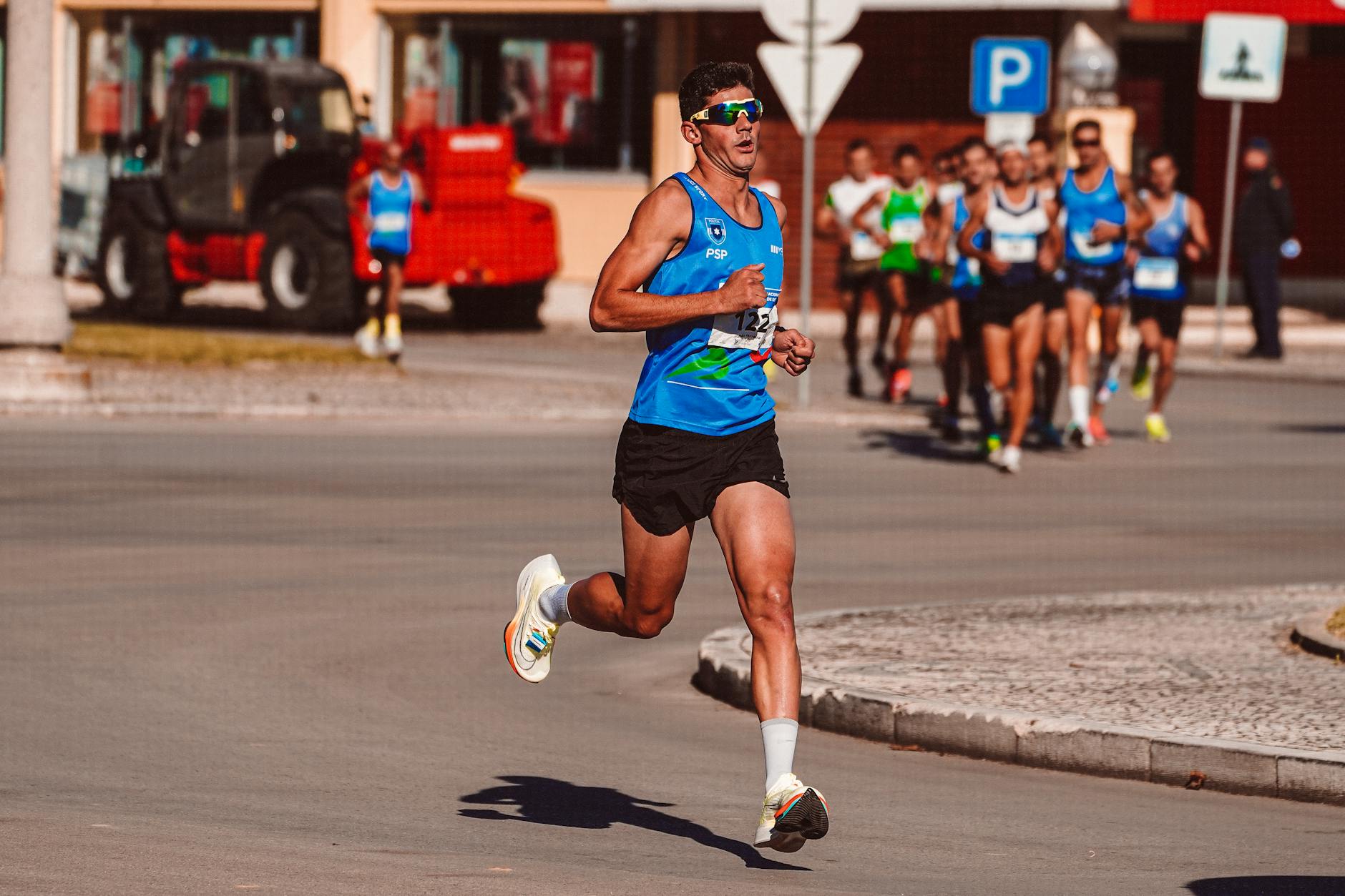
Few functional mushrooms have gained as much traction in athletic circles as Cordyceps. The claims are bold: improved oxygen utilization, enhanced endurance, faster recovery. But in a supplement industry full of hyperbole, it’s worth separating what the research actually demonstrates from what brand marketing has extrapolated from it. This article focuses specifically on Cordyceps and VO2 max, one of the most important metrics in aerobic performance.
What Is VO2 Max and Why Does It Matter?
VO2 max is the maximum rate at which your body can consume and utilize oxygen during intense exercise. It’s a primary determinant of endurance capacity and a strong predictor of cardiovascular health. Elite endurance athletes have exceptionally high VO2 max values; trained amateur athletes fall in the moderate range; and sedentary individuals typically score lower.
Improving VO2 max requires consistent aerobic training, but certain physiological factors, including mitochondrial density, red blood cell efficiency, and oxygen delivery to working muscle, can also be influenced by nutritional and supplemental interventions. This is where Cordyceps enters the conversation.
The Adenosine Connection: How Cordyceps May Affect Oxygen Use
Cordyceps contains a unique nucleoside analog called cordycepin (3′-deoxyadenosine), which structurally resembles adenosine. Adenosine plays a central role in cellular energy metabolism, particularly in the production of ATP (adenosine triphosphate), the molecule your cells use for energy. Cordycepin is hypothesized to influence oxygen utilization at the cellular level by modulating adenosine receptor activity and supporting mitochondrial function.
Additionally, some research suggests Cordyceps may increase the synthesis of ATP directly, potentially improving the efficiency with which working muscles convert oxygen into usable energy.[1]
Key Human Studies on Cordyceps and Athletic Performance
The 2010 Older Adult Study
One of the most referenced human trials comes from a 2010 study published in the Journal of Alternative and Complementary Medicine. Researchers examined healthy older adults who supplemented with a standardized Cordyceps sinensis preparation for 12 weeks. Participants showed significant improvements in metabolic threshold and ventilatory threshold compared to placebo; VO2 max did not change significantly in either group. The authors concluded that Cordyceps supplementation may improve exercise performance and aerobic efficiency in this population through mechanisms other than VO2 max elevation.[2]
It’s worth noting: the study population was older adults, a group that may have more headroom for improvement than trained younger athletes. Results in elite or even recreational athletes in peak condition tend to be more modest.
Studies in Younger Athletes
Research in trained younger athletes has shown more mixed results. Several trials using Cordyceps supplementation in recreationally active adults found improvements in time to exhaustion, lactate threshold, and perceived exertion during submaximal exercise, without necessarily producing statistically significant VO2 max changes. This may suggest that Cordyceps affects endurance performance through mechanisms beyond pure oxygen utilization, possibly by improving metabolic efficiency or buffering fatigue markers.
A randomized trial found that a proprietary Cordyceps militaris extract produced statistically significant improvements in VO2 max after three weeks of supplementation in healthy adults—a notably shorter timeline than many other ergogenic compounds require. Time to exhaustion also improved significantly after both one and three weeks of supplementation.[1]
Cordyceps sinensis vs. Cordyceps militaris: Does the Species Matter?
This distinction matters more than most supplement labels acknowledge. Wild Cordyceps sinensis, harvested from the Tibetan plateau, was used in early athletic claims and remains extremely expensive. Most modern supplements use Cordyceps militaris, a cultivated species that has been shown to produce higher concentrations of cordycepin in standardized growing conditions.
The research base for Cordyceps militaris in human athletic performance is growing and showing credible results. If a supplement lists “Cordyceps” without specifying the species or cordycepin content, that’s a quality signal worth investigating before purchasing.
For more on how to evaluate what you’re actually getting in a functional mushroom supplement, our post on reading a mushroom supplement label is a useful reference.
What About Recovery?
Beyond VO2 max itself, some research points to Cordyceps benefits in post-exercise recovery. Its anti-inflammatory and antioxidant properties may help reduce exercise-induced muscle damage markers, shortening the recovery window between hard training sessions. For endurance athletes whose limiting factor is cumulative fatigue over a training block, this secondary benefit may be as practically significant as the VO2 max data.[3]
If you’re serious about recovery as part of an athletic protocol, it’s also worth exploring how optimized men’s health practices compound the benefits of adaptogenic mushroom supplementation.
Realistic Expectations for Supplementing Athletes
Cordyceps is not going to close the gap between a recreational runner and a competitive athlete. What the research does suggest is that for individuals at various fitness levels, consistent Cordyceps supplementation may:
- Modestly improve VO2 max in some populations, particularly with longer supplementation periods
- Improve metabolic and ventilatory threshold, supporting better performance at submaximal intensities
- Improve time to exhaustion and perceived effort at submaximal intensities
- Support faster recovery between sessions
- Offer cumulative benefits over 4 to 12 weeks of consistent use
The compound won’t replace training. But as a complement to a structured program, the evidence suggests it earns its place in an evidence-based athletic supplement stack more credibly than most mushroom-derived products on the market.
Conclusion
The research on Cordyceps and aerobic performance is more substantive than typical wellness supplement claims, but it’s also more nuanced than the marketing would suggest. The effects are real but modest, context-dependent, and more pronounced in specific populations. For endurance athletes, older adults working to maintain aerobic capacity, or anyone looking for evidence-based ergogenic support without stimulants, Cordyceps is one of the more scientifically grounded options available.
References
- [1] Hirsch et al. Cordyceps militaris Improves Tolerance to High-Intensity Exercise After Acute and Chronic Supplementation. J Diet Suppl, 2017.
- [2] Chen et al. Effect of Cs-4 (Cordyceps sinensis) on exercise performance in healthy older subjects: a double-blind, placebo-controlled trial. J Altern Complement Med, 2010.
- [3] Jedrejko et al. Current Evidence of Ergogenic and Post-Exercise Recovery Effects of Dietary Supplementation with Cordyceps. Nutrients, 2026.
This article is for informational purposes only and does not constitute medical advice. Consult a qualified healthcare provider before beginning any supplement regimen.