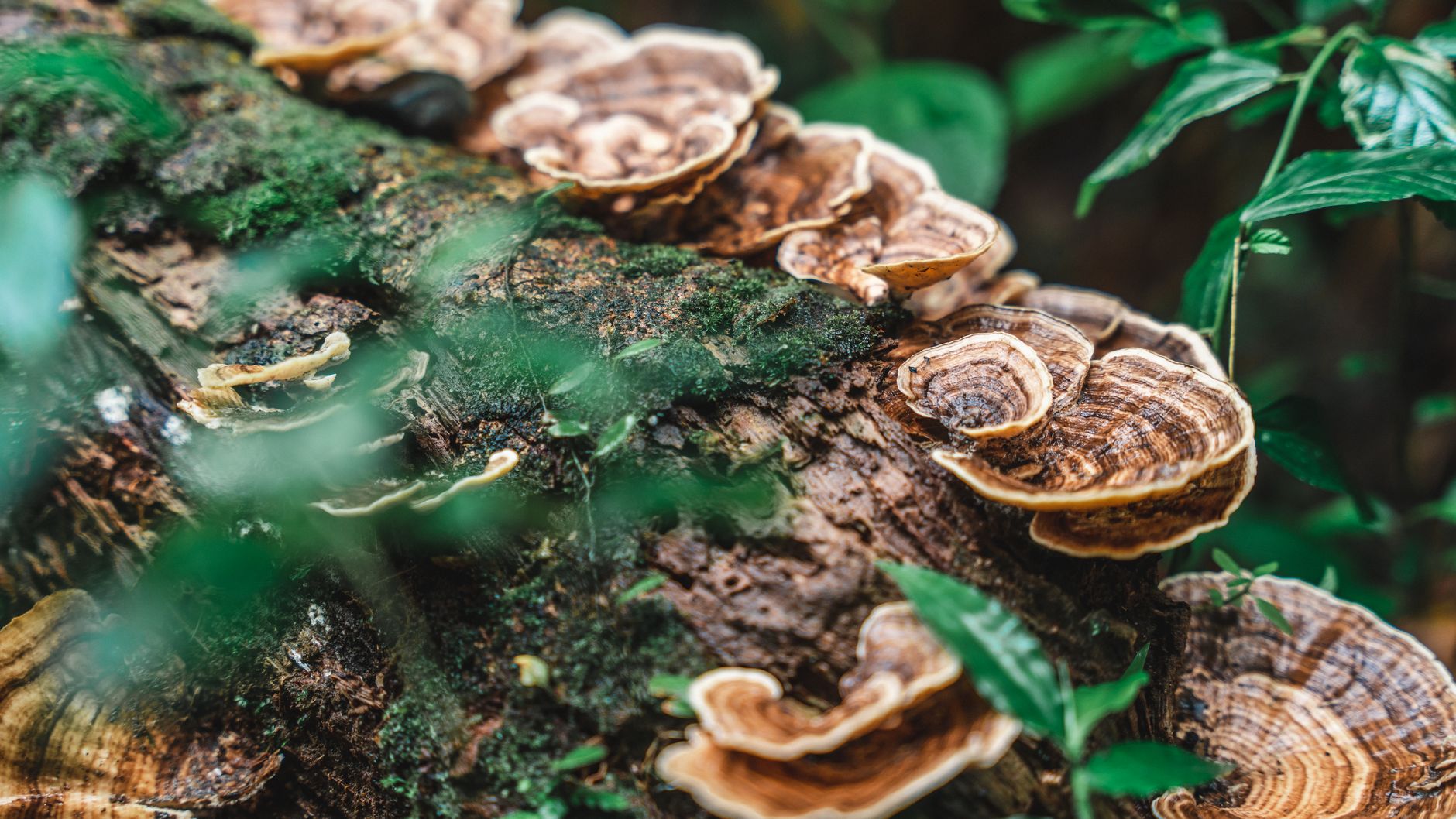
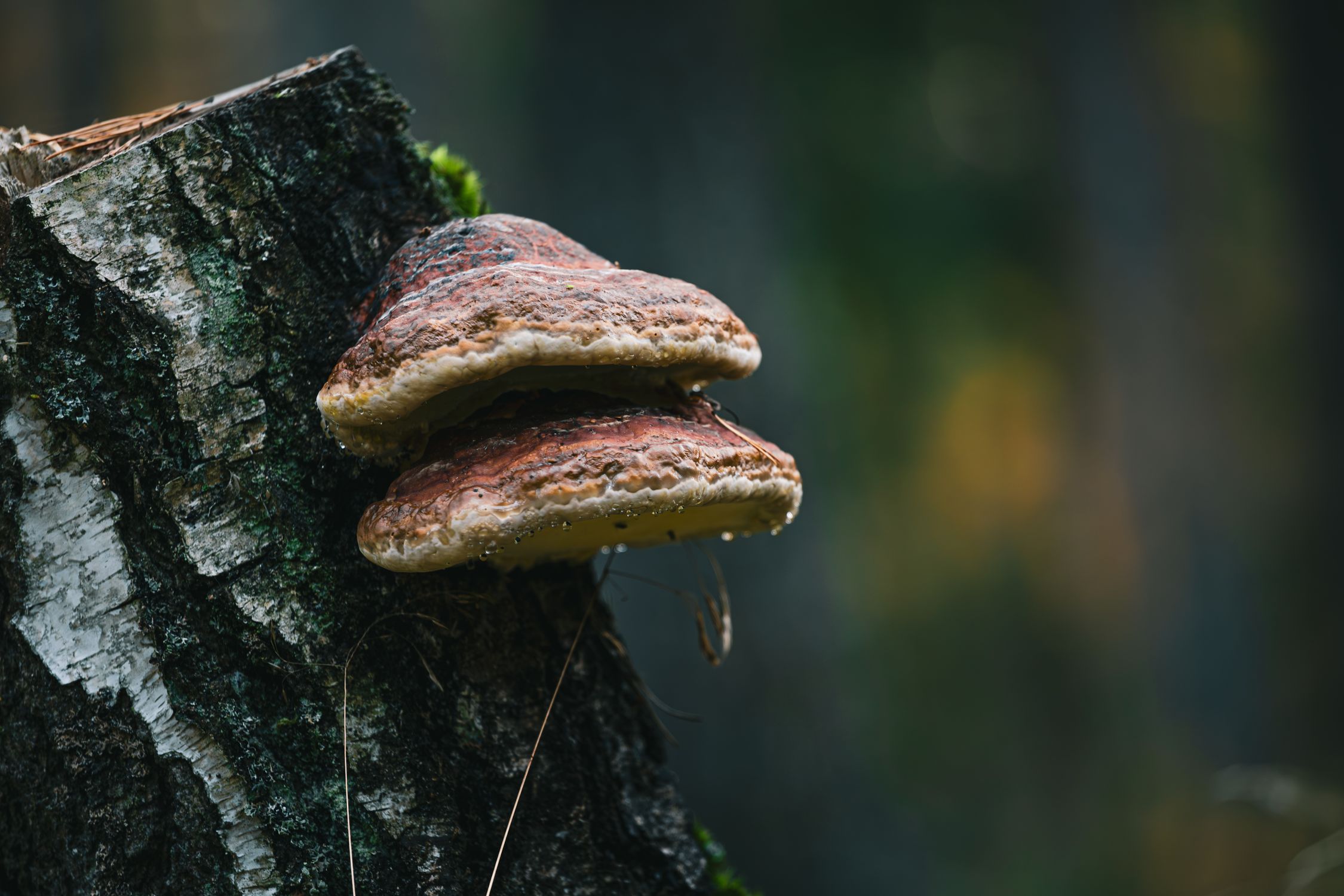
Chaga (Inonotus obliquus) is a parasitic fungus that grows predominantly on birch trees across cold northern climates in Siberia, Canada, Scandinavia, and parts of the northern United States. Unlike the typical fruiting body of a mushroom, the part of Chaga harvested for use is technically a sclerotium – a hardened mass of mycelium that protrudes from the bark. This distinctive form concentrates a range of bioactive compounds that researchers have been studying for their antioxidant and anti-inflammatory potential.
This article examines the current body of evidence around Chaga’s primary bioactive constituents, what the research indicates about their mechanisms, and what remains unknown or unconfirmed in human studies.
What Bioactive Compounds Does Chaga Contain?
Chaga’s biological profile is unusually complex relative to most medicinal fungi. The major compound classes include:
- Polysaccharides and beta-glucans – structural carbohydrates associated with immunomodulatory activity
- Melanin – a high-molecular-weight pigment that gives Chaga its characteristic black exterior and has demonstrated antioxidant and anti-inflammatory properties in preclinical models
- Polyphenols – including protocatechuic acid, protocatechuic aldehyde, and osmundacetone, which have been studied for radical-scavenging capacity
- Triterpenoids – including betulinic acid and inotodiol, derived in part from the birch host tree
A 2026 review published in International Journal of Biological Macromolecules described Chaga polysaccharides as beta-glucan-rich heteropolysaccharides whose structural diversity – including molecular weight distribution, glycosidic linkage patterns, and branching topology – collectively shapes their immunomodulatory and antioxidant activity profiles.[1] The authors noted that standardizing extraction methods remains a key challenge for inter-study reproducibility.
Polyphenols and Antioxidant Activity: What Studies Show
Antioxidant activity is one of the most studied properties of Chaga extracts. The fungus registers among the highest ORAC (oxygen radical absorbance capacity) values of any food source tested, though ORAC values alone do not predict clinical outcomes in humans.
Mechanistic research published in Antioxidants in 2026 examined three key polyphenolic compounds isolated from Inonotus obliquus: osmundacetone, protocatechuic aldehyde, and protocatechuic acid. In a cell model using monosodium urate-stimulated macrophages, all three compounds and the crude extract significantly reduced reactive oxygen species (ROS), nitric oxide, and lactate dehydrogenase levels, while increasing superoxide dismutase (SOD) activity. The study also found downregulation of the TLR4/MyD88/NF-kB signaling pathway, which is associated with inflammatory cascades.[2]
Osmundacetone showed the strongest xanthine oxidase inhibition (IC50 of 4.91 mM) among the three compounds, which the authors attributed in part to its conjugated C=C-carbonyl structure enhancing binding efficiency. These findings are preliminary and derived from in vitro cell studies; they have not been replicated in human trials.
Chaga Melanin and Gut Inflammation
One of the more distinctive constituents of Chaga is its melanin fraction – a dark, high-molecular-weight polymer responsible for the sclerotium’s black exterior. Melanin from Inonotus obliquus has received growing research attention for its potential role in gut health and oxidative stress modulation.
A 2026 study published in Nutrients investigated crude Chaga melanin (IOM) in a dextran sulfate sodium-induced colitis mouse model. IOM administration was associated with reduced colonic inflammation, strengthened intestinal barrier integrity, and lower oxidative stress markers in a dose-dependent manner. The study also found shifts in gut microbiota composition, including increased relative abundance of Lactobacillus and Muribaculaceae, and reduced Escherichia-Shigella. Researchers suggested these microbiota changes may be related to modulation of neutrophil pro-NETotic signaling pathways.[3]
As with the polyphenol research above, these findings come from animal models and cannot be directly extrapolated to clinical use in humans.
Beta-Glucans and Immune Modulation
Chaga is rich in beta-(1,3)/(1,6)-glucans – the same class of polysaccharides studied in other functional mushrooms including turkey tail and reishi. Beta-glucans interact with pattern recognition receptors, particularly Dectin-1 on immune cells, and may support the modulation of innate immune responses.
Research indicates that the structural characteristics of Inonotus polysaccharides – including their triple-helix conformation and degree of branching – may influence how they interact with immune receptors.[1] However, the clinical significance of these structural variations in supplement formulations is not yet established.
For context on how beta-glucan content is measured and what it means on a supplement label, see our guide to reading mushroom supplement labels.
Extraction Methods and Their Effect on Bioactive Content
The bioactive profile of a Chaga extract depends significantly on how it is prepared. Hot water extraction captures polysaccharides and melanins. Ethanol or dual extraction may better preserve triterpenoids and polyphenols. Studies using different extraction methods are not directly comparable.
Emerging techniques – including subcritical water extraction and enzyme-assisted approaches – have shown improved yields of polysaccharides while better preserving native structural features in laboratory settings.[1] These methods are not yet standard in commercial Chaga supplement production, and consumers should check whether products specify the extraction type.
What Remains Unknown
Despite a substantial body of preclinical research, there are significant gaps:
- No large-scale human clinical trials have evaluated Chaga for antioxidant endpoints, immune outcomes, or anti-inflammatory effects
- Bioavailability of Chaga polyphenols and triterpenoids in humans has not been well characterized
- Optimal extract type (water, ethanol, dual, or fermented) for specific health outcomes has not been determined
- Long-term safety data is limited; Chaga contains oxalates that may be relevant for individuals with kidney conditions or those prone to kidney stones
Research also notes that Chaga’s triterpenoid content is partially sourced from the birch host rather than synthesized by the fungus itself, meaning the geographic origin and host tree health may influence bioactive composition.
Safety Considerations
Chaga has a long history of use as a traditional tea in Siberia and Russia, with an apparent safety record at culinary quantities. However, formal safety profiling at supplement concentrations is limited. Concerns noted in the literature include:
- High oxalate content, which may be relevant for individuals with a history of calcium oxalate kidney stones
- Potential interactions with anticoagulant medications due to Chaga’s anti-platelet properties observed in some preclinical studies
- Variable heavy metal accumulation depending on the birch host environment and geographic source
Individuals taking prescription medications or with underlying health conditions should consult a healthcare provider before beginning Chaga supplementation.
Summary
Chaga contains a distinctive array of bioactive compounds – polyphenols, melanin, beta-glucans, and triterpenoids – that have demonstrated antioxidant and anti-inflammatory activity in cell and animal studies. Research suggests these compounds may reduce oxidative stress markers, modulate immune signaling, and influence gut microbiota composition in preclinical models. However, human clinical evidence remains limited, and the translation of these findings to clinical outcomes in people requires further investigation.
References
- [1] Cui M, et al. Preparation, bioactivities, structure-activity relationships, applications, and safety concerns of Inonotus obliquus polysaccharides: A review. Int J Biol Macromol. 2026;350:150953. PMID 41724299
- [2] Shu Y, et al. Three Polyphenolic Compounds from Inonotus obliquus: Antioxidant Activity, Xanthine Oxidase Inhibition, and Regulatory Effects on MyD88/TLR4/NF-kB Pathway. Antioxidants (Basel). 2026;15(2):267. PMID 41750647
- [3] Yuan H, et al. Inonotus obliquus Crude Melanin Ameliorates DSS-Induced Colitis with Modulation of Gut Microbiota and Neutrophil pro-NETotic Activation. Nutrients. 2026;18(11):1733. PMID 42280375
Disclaimer: This article is for informational purposes only and does not constitute medical advice. The statements on this page have not been evaluated by the Food and Drug Administration. Chaga supplements are not intended to diagnose, treat, cure, or prevent any disease. Always consult a qualified healthcare provider before starting any supplement regimen.