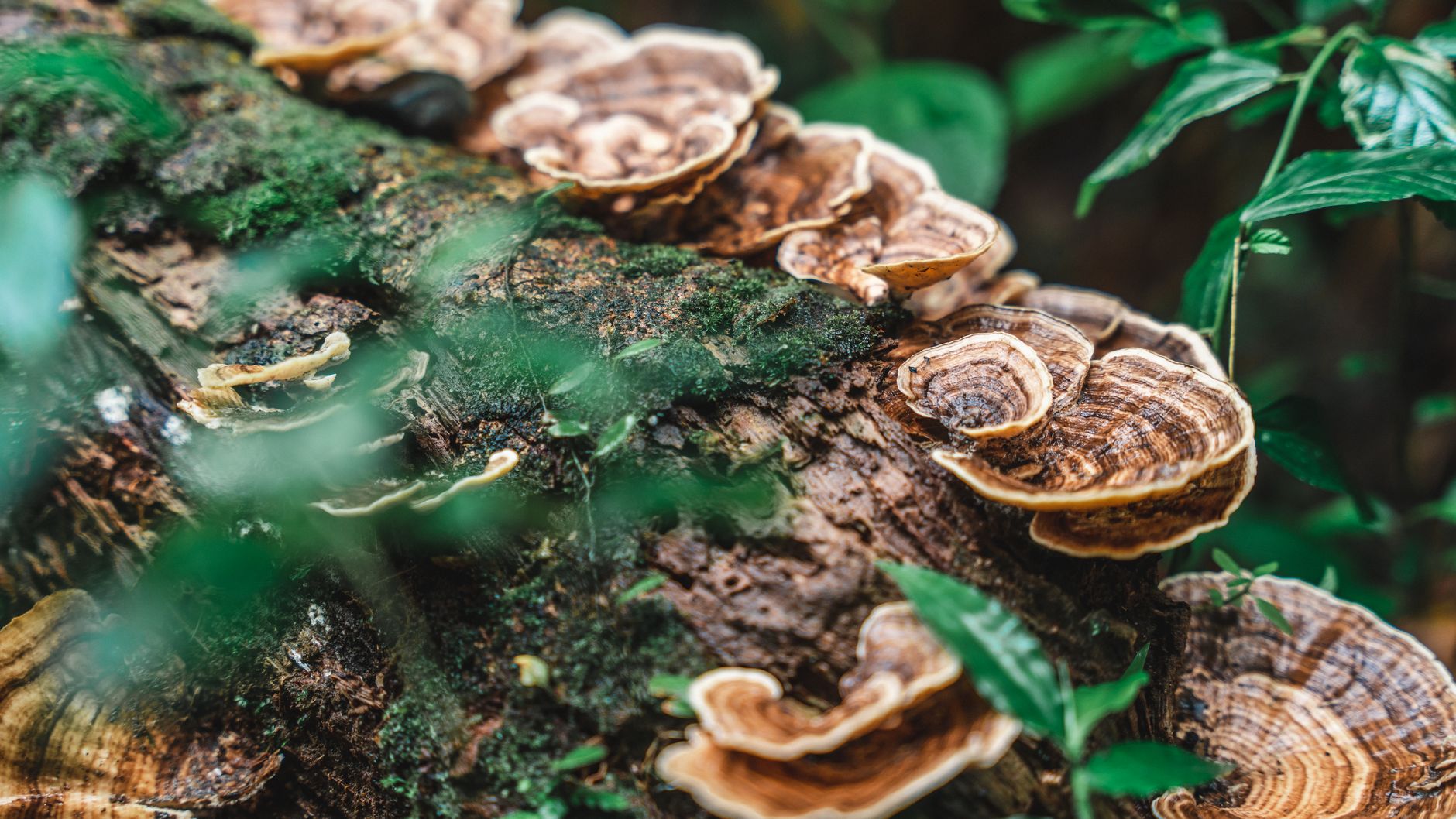
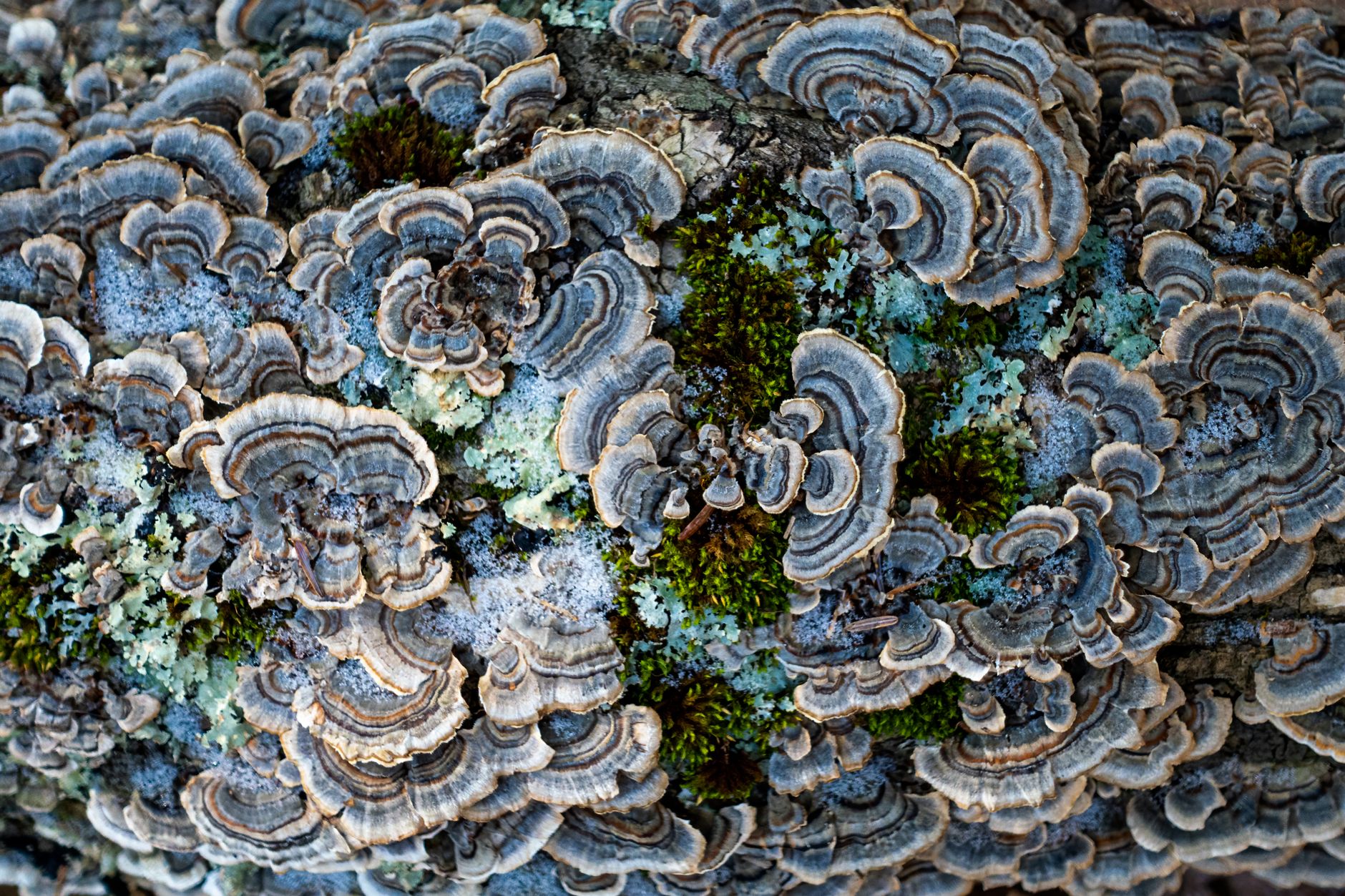
Turkey tail (Trametes versicolor) is one of the most extensively studied functional mushrooms in modern research. Best known for its immunomodulatory polysaccharides PSK (polysaccharide-K) and PSP (polysaccharopeptide), turkey tail has also drawn attention for its potential effects on lipid metabolism. While most of this work remains preclinical, the emerging picture is worth examining for anyone interested in cardiovascular wellness alongside immune support.
This article reviews what early studies suggest about turkey tail and cholesterol, what the likely mechanisms are, and where the research still has significant gaps.
What Is Turkey Tail?
Trametes versicolor is a bracket fungus found on dead and decaying wood across most temperate regions of the world. Its fan-shaped, multicolored fruiting body has made it recognizable to foragers and naturalists alike. In traditional Chinese and Japanese medicine, it has been used for centuries as a general health tonic, and its derivatives — particularly PSK, marketed as Krestin in Japan — have been used as adjunct therapies in oncology settings.
Its principal bioactive compounds include beta-glucans, polysaccharopeptides, and various phenolic antioxidants. It is these polysaccharide fractions that researchers have focused on when examining lipid-related effects.
Turkey Tail Polysaccharides and Lipid Profiles: Preclinical Findings
A 2020 study published in Current Microbiology examined the effects of both intracellular and extracellular polysaccharide extracts of T. versicolor on lipid metabolism in high-fat diet-induced hyperlipidemic mice. Researchers found that extracellular polysaccharide treatment was associated with significant reductions in serum total cholesterol, triglycerides, and LDL-cholesterol, as well as a decrease in the atherosclerosis index. The study also observed changes in lipoprotein lipase activity and hepatic HMG-CoA reductase expression, suggesting the extracts may influence multiple enzymatic pathways involved in lipid regulation.[1]
A separate investigation looked at the effects of Coriolus versicolor fruiting body powder on streptozotocin-induced diabetic mice. In addition to effects on blood glucose and oxidative stress markers, the study reported that the fruiting body preparation was associated with reductions in total cholesterol and triglyceride levels in the diabetic model, along with improvements in antioxidant enzyme activity. The authors noted these findings may support further development of Coriolus versicolor-derived preparations for managing lipid abnormalities associated with metabolic disease.[2]
A 2023 study in International Journal of Biological Macromolecules took a different approach, isolating a novel polysaccharide from fermented mycelia of Coriolus versicolor and testing it in a nonalcoholic fatty liver disease (NAFLD) mouse model. The polysaccharide was found to alter gut microbiota composition and suppressed microbes associated with bile acid metabolism. In vitro data suggested the compound may reduce hyperlipidemia via farnesoid X receptor signaling, indicating a gut-liver axis mechanism that extends beyond simple direct lipid binding.[3]
Proposed Mechanisms
HMG-CoA Reductase Modulation
HMG-CoA reductase is the rate-limiting enzyme in cholesterol synthesis and the target of statin drugs. The 2020 Current Microbiology study observed that extracellular polysaccharide treatment was associated with decreased hepatic expression of this enzyme, suggesting a potential pathway through which turkey tail compounds may influence endogenous cholesterol production. This is consistent with observations in beta-glucan research more broadly, though the mechanisms remain incompletely characterized in human models.
Lipoprotein Lipase Activity
Lipoprotein lipase (LPL) plays a key role in clearing triglyceride-rich lipoproteins from the bloodstream. Both polysaccharide fractions tested in the 2020 study appeared to promote LPL activity, which may partly explain the triglyceride-lowering effects observed. Reduced triglyceride levels are associated with lower cardiovascular risk, though these findings require validation in human clinical settings.
Gut Microbiome and Bile Acid Pathways
The 2023 NAFLD study points to a more indirect pathway: turkey tail polysaccharides may function as prebiotics, selectively altering the gut microbiota in ways that affect bile acid cycling. Since bile acids are synthesized from cholesterol, microbial modulation of bile acid metabolism could theoretically influence circulating cholesterol levels. Research on this specific mechanism in turkey tail is still at an early stage, and findings in murine models do not automatically translate to human physiology.
How This Compares to Other Functional Mushrooms
Turkey tail is not the only functional mushroom studied in relation to cholesterol. Shiitake, oyster mushrooms, and reishi have all shown lipid-modulating effects in preclinical models, often through overlapping mechanisms involving beta-glucan fractions. For a broader look at how different functional mushrooms interact with cardiovascular biomarkers, see Beta-Glucans and Cholesterol: What Functional Mushrooms Offer.
What distinguishes turkey tail in this context is the breadth of its studied polysaccharide fractions — not just beta-glucans, but structurally distinct polysaccharopeptides — and its connection to gut microbiome modulation, which may represent a secondary pathway for lipid effects that other mushrooms have been less studied for.
Important Limitations
All of the lipid-related findings discussed here come from animal models. No published clinical trials have specifically examined turkey tail’s effects on blood cholesterol or lipid panels in human subjects. The doses and extract types used in animal studies are not directly applicable to human supplementation, and animal models of hyperlipidemia or metabolic disease may not reflect the physiology of otherwise healthy adults.
Additionally, the polysaccharide fractions studied vary considerably across experiments — in molecular weight, composition, and extraction method. Results from one extract may not generalize to commercially available turkey tail supplements, which vary widely in beta-glucan content, extraction ratio, and whether mycelium or fruiting body is used.
What to Expect From Current Turkey Tail Supplements
Turkey tail supplements are primarily marketed and studied for their immune-supporting properties, particularly PSK and PSP content. Any cardiovascular or lipid-related benefits remain speculative at this stage and should not be the primary reason someone chooses this supplement. Individuals with elevated cholesterol or cardiovascular risk factors should work with a licensed healthcare provider rather than relying on any single supplement.
When evaluating a turkey tail product, looking for standardized beta-glucan content (often listed on the label or certificate of analysis) provides a more reliable quality indicator than generic polysaccharide claims.
Summary
Early animal studies suggest that polysaccharide extracts from Trametes versicolor may support more favorable lipid profiles through multiple mechanisms, including effects on cholesterol synthesis enzymes, lipoprotein lipase activity, and gut microbiota-bile acid pathways. These findings are preliminary and have not been confirmed in human clinical trials. Turkey tail’s most well-established role remains immune modulation, with any cardiovascular applications remaining an area for further research.
References
- 1. Huang Z, et al. Extracellular and Intracellular Polysaccharide Extracts of Trametes versicolor Improve Lipid Profiles Via Serum Regulation of Lipid-Regulating Enzymes in Hyperlipidemic Mice. Curr Microbiol. 2020;77(11):3526-3537. PMID: 32780205
- 2. Meng F, et al. The Therapeutic Effect of Coriolus versicolor Fruiting Body on STZ-Induced ICR Diabetic Mice. J Healthc Eng. 2022;2022:7282453. PMID: 35463673
- 3. Tang H, et al. Extraction and characterization of polysaccharide from fermented mycelia of Coriolus versicolor and its efficacy for treating nonalcoholic fatty liver disease. Int J Biol Macromol. 2023;248:125951. PMID: 37499724
Disclaimer: This article is for informational purposes only and does not constitute medical advice. The statements in this article have not been evaluated by the Food and Drug Administration. Functional mushroom supplements are not intended to diagnose, treat, cure, or prevent any disease. Consult a qualified healthcare provider before starting any new supplement, especially if you have existing health conditions or take medications.