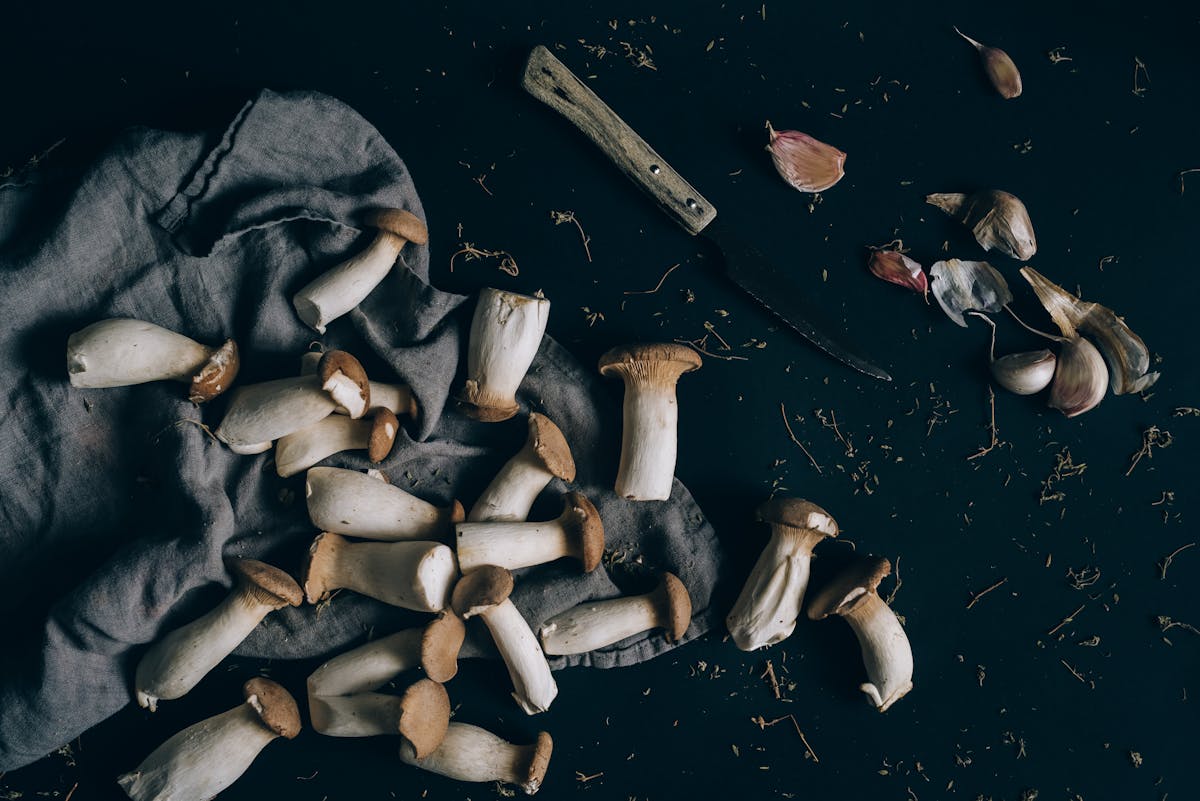
Among the many functional mushrooms drawing attention from both culinary enthusiasts and researchers, the king trumpet mushroom (Pleurotus eryngii) stands apart. Also known as the king oyster mushroom or royal trumpet, this species is the largest member of the oyster mushroom family and has been consumed across Europe, the Middle East, and Asia for centuries. Today, it is gaining recognition not just as a culinary ingredient but as a source of bioactive compounds with meaningful health implications.
What Is the King Trumpet Mushroom?
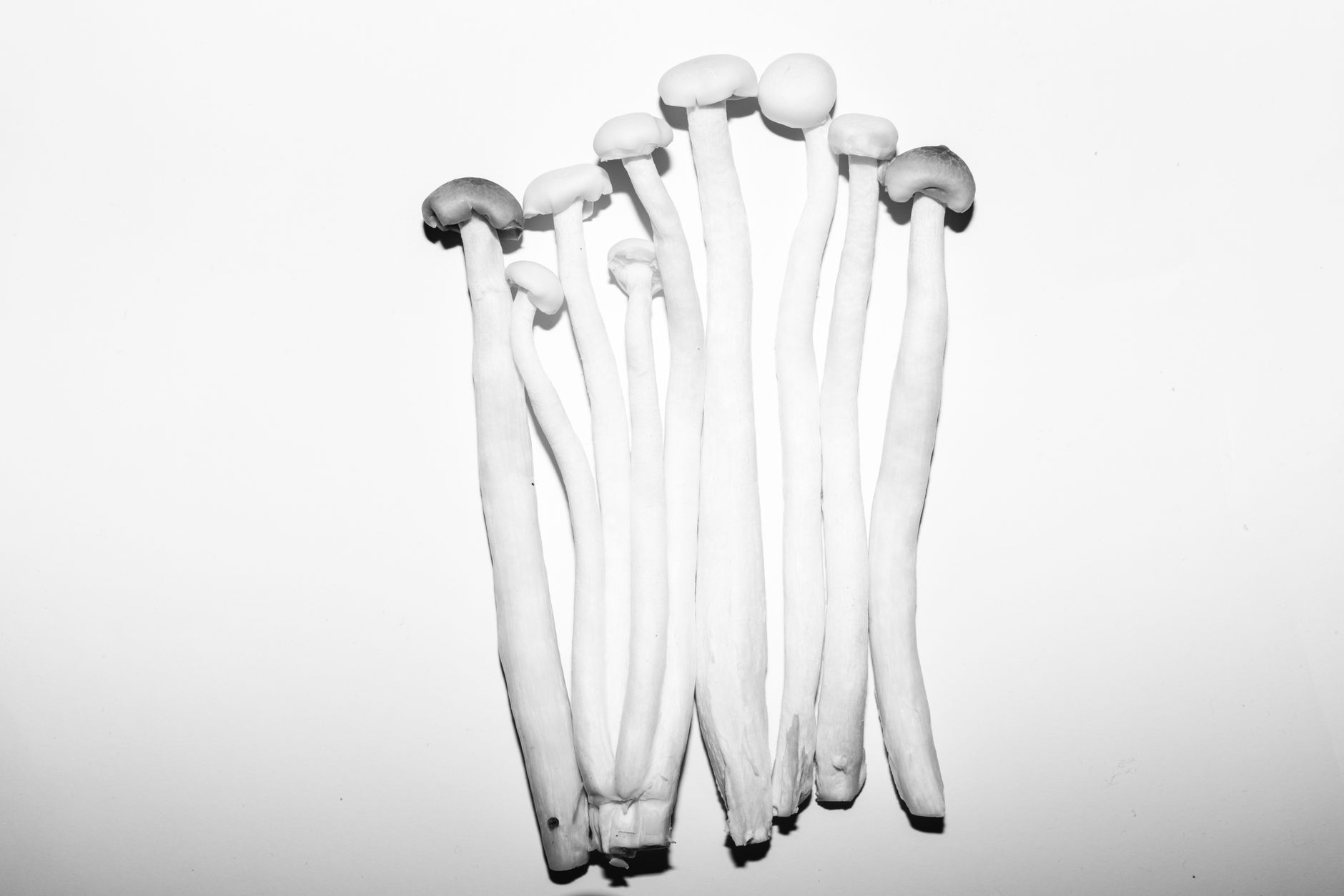
Pleurotus eryngii is native to the Mediterranean basin and parts of Asia, where it grows on the roots of herbaceous plants, particularly in arid or semi-arid regions. Unlike many mushrooms that thrive in moist forest environments, the king trumpet prefers drier conditions, which contributes to its dense, meaty texture. The mushroom features a thick, white cylindrical stem and a small, brownish cap. This structure makes it one of the most prized edible species globally, particularly in Japanese and Korean cuisine where it is sauteed, grilled, or simmered.
From a cultivation standpoint, king trumpet mushrooms are grown commercially on agricultural byproducts such as wheat straw, sawdust, and corn cobs. This sustainability profile is part of what makes them attractive not only as food but as candidates for nutraceutical development.
Nutritional Profile
The king trumpet mushroom offers a notable nutritional profile for a low-calorie food. It is a meaningful source of dietary fiber, B vitamins (including niacin, riboflavin, and pantothenic acid), potassium, phosphorus, and copper. The protein content is modest but complete in terms of essential amino acids, which is relatively uncommon for plant-derived foods.
Perhaps most relevant to its health applications, Pleurotus eryngii contains significant concentrations of beta-glucans, ergosterol (a precursor to vitamin D2), and a variety of polyphenols. These compounds form the basis for much of the emerging scientific interest in this species.
Beta-Glucan Content and Immune Function
Beta-glucans are polysaccharides found in the cell walls of fungi and grains. In mushrooms, these compounds are increasingly studied for their immunomodulatory properties. The beta-glucans in king trumpet mushrooms work by binding to specific receptors on immune cells, including macrophages and natural killer cells, helping to prime the immune system without overstimulating it.
Research published in peer-reviewed journals has documented the immune-activating properties of Pleurotus eryngii extracts. A study examining the biological activities of this species found that its polysaccharide fractions stimulated macrophage activity and promoted cytokine production in laboratory models, suggesting a potential role in immune modulation.[1]
If you want to understand how beta-glucans work across multiple mushroom species, our in-depth overview of beta-glucans and why they make mushrooms so powerful is worth reading alongside this article.
Antioxidant Properties
Oxidative stress plays a central role in aging and chronic disease. The king trumpet mushroom contains a range of antioxidant compounds, including phenolic acids, flavonoids, and ergothioneine, a sulfur-containing amino acid that has attracted significant attention for its cellular protective properties.
Ergothioneine is produced almost exclusively by fungi and certain bacteria; humans cannot synthesize it and must obtain it through diet. King trumpet mushrooms are among the richest dietary sources of this compound. Early research suggests ergothioneine acts as a cytoprotectant, potentially reducing cellular damage from reactive oxygen species.[2] While clinical evidence in humans remains in early stages, the preclinical data is compelling enough to have generated substantial scientific interest.
Cardiovascular and Metabolic Research
Beyond immune function and antioxidant activity, preliminary research has explored the king trumpet’s potential effects on cardiovascular and metabolic markers. Animal studies have suggested that extracts of Pleurotus eryngii may help modulate lipid profiles, with some models showing reductions in LDL cholesterol and triglycerides alongside improvements in HDL levels. The mechanisms likely involve both the fiber content and specific bioactive polysaccharides acting on bile acid metabolism.
The mushroom also contains statins in trace amounts, particularly lovastatin, though the quantities found in whole mushrooms are considerably lower than those used in pharmaceutical contexts. This does not negate potential cumulative effects from regular dietary consumption, but it does mean that the mechanism behind any observed lipid-modulating effects is likely multifactorial.
Prebiotic Effects and Gut Health
The dietary fiber composition of king trumpet mushrooms, including chitin and beta-glucans, gives this species potential prebiotic properties. Prebiotics are compounds that selectively feed beneficial gut bacteria, supporting a healthy microbiome environment. In vitro and animal models have shown that Pleurotus eryngii polysaccharides can positively shift the composition of gut microbial communities, increasing populations of Bifidobacterium and Lactobacillus species while reducing pathogenic strains.
A healthy microbiome is increasingly linked to outcomes beyond digestion, including immune regulation, mental health, and metabolic function, which makes the prebiotic angle of king trumpet research particularly interesting for functional health applications.
What to Know Before Using King Trumpet Supplements
King trumpet mushrooms are generally considered safe for most people when consumed as food or taken as an extract under normal conditions. That said, a few practical points are worth noting:
- Look for products that specify hot water extraction or dual extraction, as these methods are more likely to preserve the bioactive beta-glucans and other compounds.
- Check for beta-glucan content on the certificate of analysis rather than relying solely on polysaccharide percentage, which can include non-active sugars.
- Individuals with mushroom allergies or sensitivities should exercise caution.
- Consult a healthcare provider before adding any new supplement, especially if managing a chronic condition or taking medications.
The Bottom Line
The king trumpet mushroom sits at an interesting intersection of culinary tradition and modern functional health research. Its nutritional density, antioxidant compounds, beta-glucan content, and prebiotic potential make it one of the more well-rounded species in the functional mushroom category. Research is still maturing, particularly on the human clinical side, but the preclinical evidence provides a credible foundation for continued investigation. Whether consumed as food or in supplement form, Pleurotus eryngii is a species worth knowing well.
References
- Yan J, Meng Y, Zhang M, et al. A 3-O-methylated heterogalactan from Pleurotus eryngii activates macrophages. Carbohydr Polym. 2019;206:706-715. PMID: 30553376
- Cheah IK, Halliwell B. Ergothioneine; antioxidant potential, physiological function and role in disease. Biochimica et Biophysica Acta. 2012;1822(5):784-793. PMID: 22001064
Disclaimer: This article is for informational purposes only and does not constitute medical advice. The content on SafeShrooms.com is not intended to diagnose, treat, cure, or prevent any disease or health condition. Always consult a qualified healthcare professional before starting any new supplement.