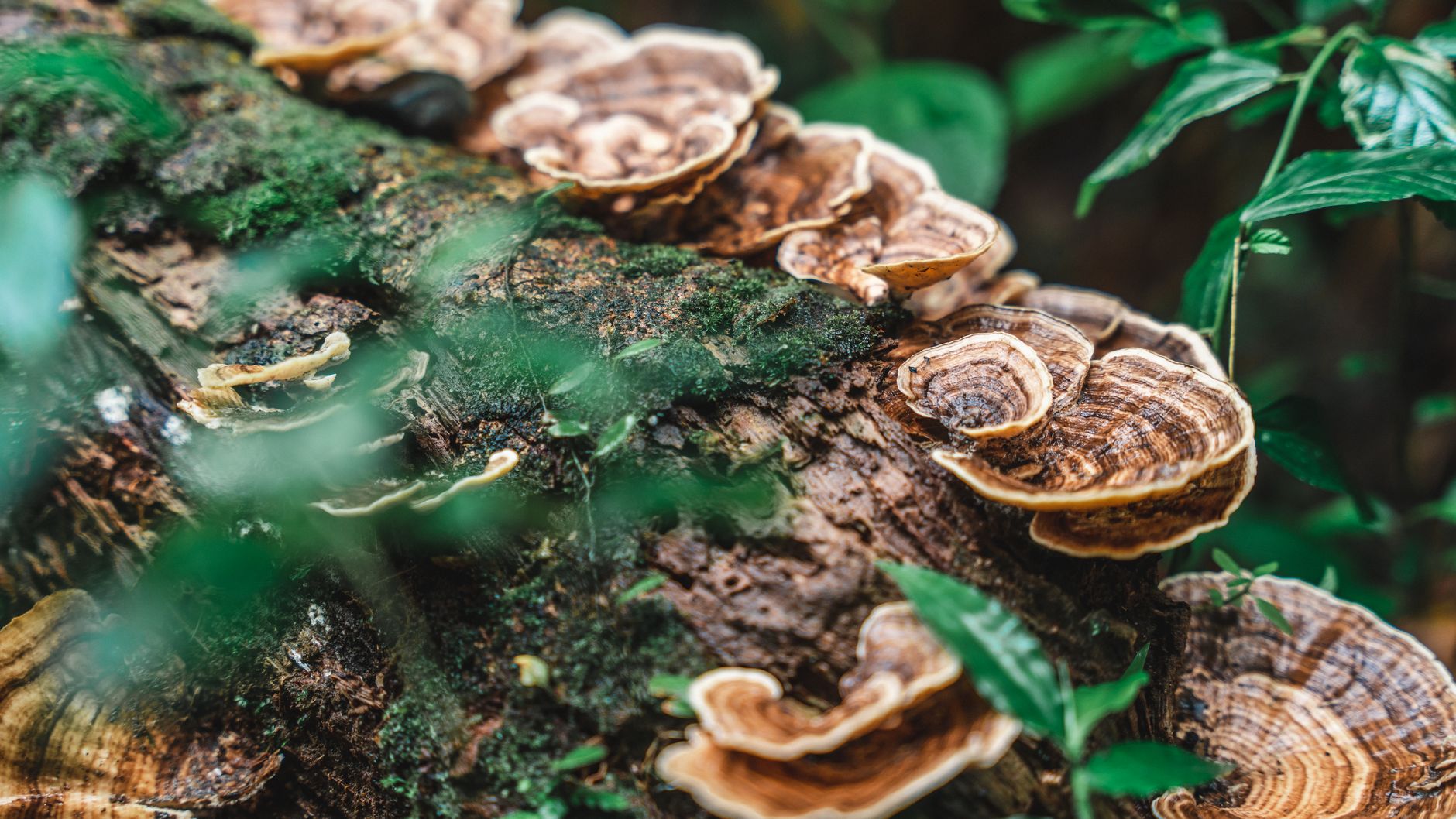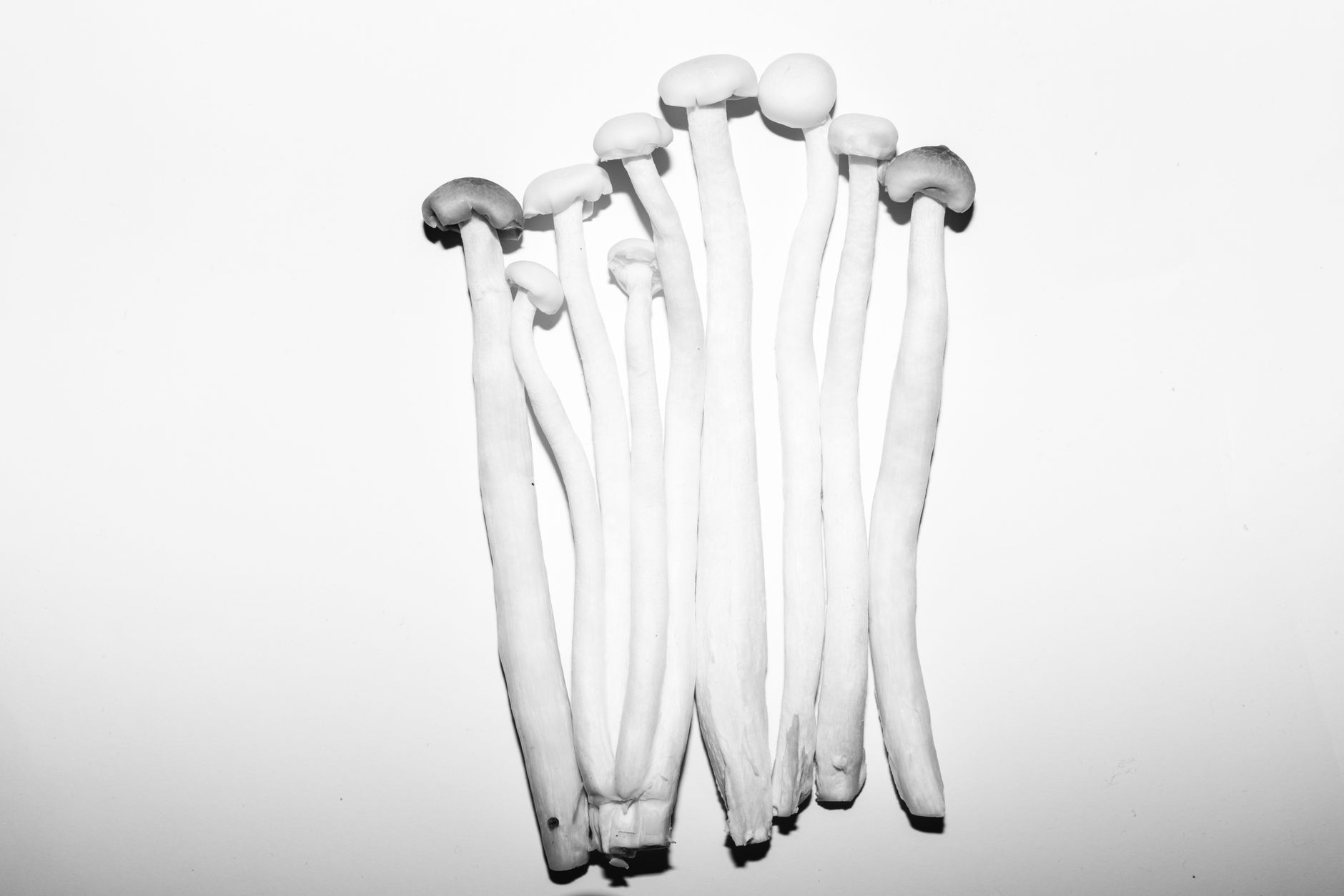
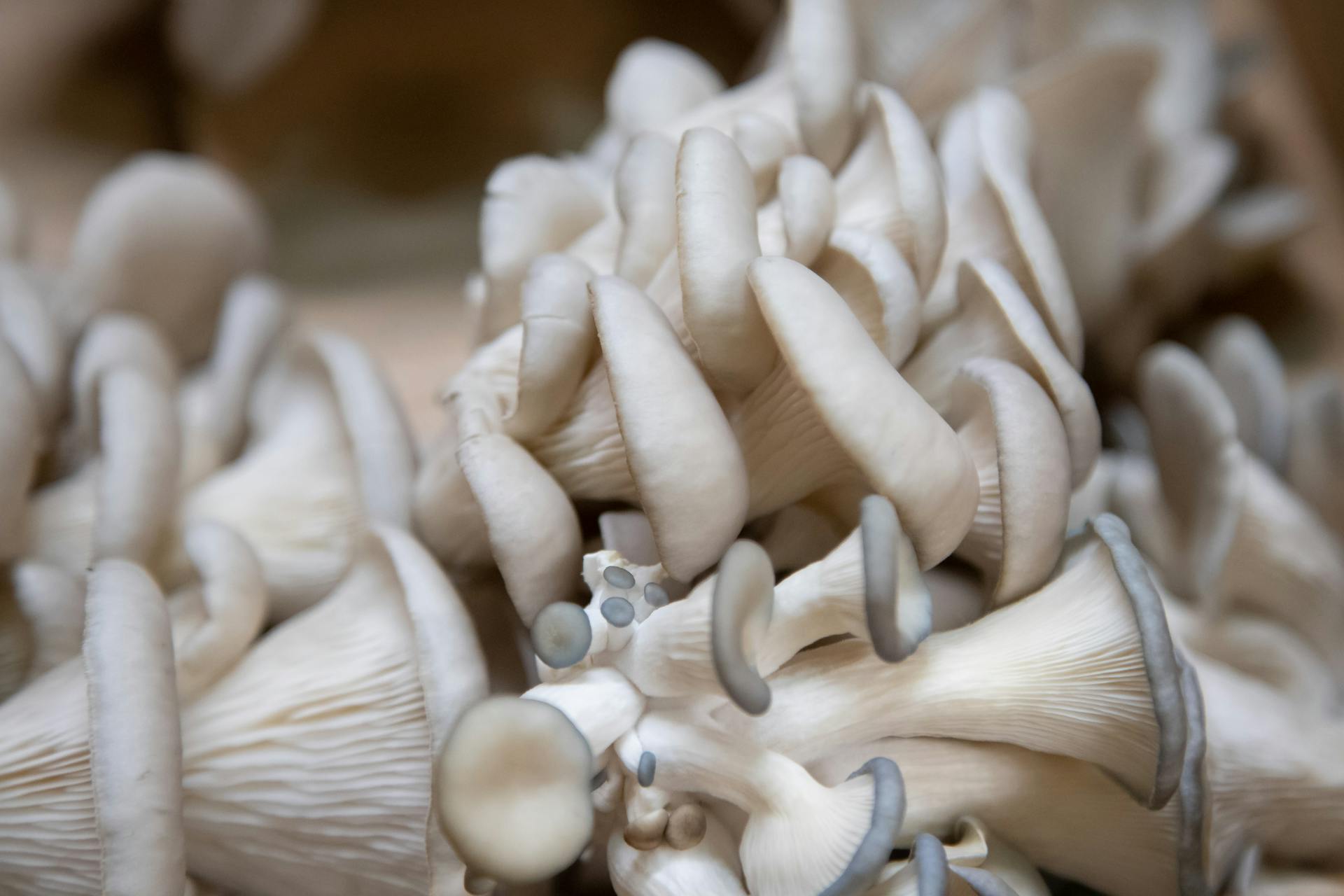
Oyster mushrooms (Pleurotus ostreatus and related species) have earned a permanent place in both traditional kitchens and modern nutritional science. Grown on decaying wood across temperate forests worldwide, these fan-shaped fungi are now cultivated commercially on every continent. Beyond their mild flavor and tender texture, oyster mushrooms carry a growing body of research pointing to meaningful health benefits rooted in their unique biochemical makeup.
What Makes Oyster Mushrooms Nutritionally Distinctive
Oyster mushrooms are low in calories yet surprisingly dense in micronutrients. A standard serving delivers meaningful quantities of B vitamins (riboflavin, niacin, and pantothenic acid), potassium, phosphorus, and copper. They are one of the few non-animal dietary sources of ergothioneine, a sulfur-containing amino acid that acts as a potent cellular antioxidant and is not easily synthesized by the human body.
Their protein content is notably high for a plant-based food, and that protein contains all essential amino acids, making oyster mushrooms particularly interesting for those following vegetarian or vegan diets. Dietary fiber makes up a substantial portion of their dry weight, and a significant fraction of that fiber consists of beta-glucans: branched polysaccharides with well-documented immunomodulatory effects.
Beta-Glucans and Immune Modulation
The beta-glucan fraction in oyster mushrooms has attracted the most scientific attention. These polysaccharides interact with pattern recognition receptors on immune cells, particularly Dectin-1 receptors on macrophages and dendritic cells. The result is a cascade of immune activation that can enhance the body’s surveillance and response functions without triggering excessive inflammation.
A peer-reviewed study published in International Immunopharmacology found that glucans isolated from Pleurotus ostreatus demonstrated significant immunostimulatory activity in vitro, including enhanced macrophage phagocytic capacity and natural killer cell-mediated cytotoxicity.1 These findings align with earlier work showing that beta-glucan supplementation broadly supports innate immune function across several mushroom species.
Cardiovascular Health: Cholesterol and Statins in Fungi
One of the more remarkable nutritional characteristics of oyster mushrooms is their naturally occurring lovastatin content. Lovastatin is the same compound used in pharmaceutical statin drugs for cholesterol management, and oyster mushrooms produce it endogenously as part of their metabolic chemistry. While the concentration in food-grade mushrooms is far below therapeutic pharmaceutical doses, the presence of this compound alongside soluble fiber creates a potentially synergistic cardiovascular effect.
A clinical trial published in Mycologia examined the effects of oyster mushroom consumption on lipid profiles in hypercholesterolemic patients. Participants who consumed dried oyster mushroom powder over a defined period showed statistically significant reductions in total cholesterol and LDL cholesterol compared to controls, with no adverse effects reported.2 The researchers attributed the effect to the combination of beta-glucan fiber, lovastatin, and ergosterol working in concert.
Antioxidant Properties and Oxidative Stress Reduction
Oxidative stress underlies much of the cellular damage associated with aging and chronic disease. Oyster mushrooms contain multiple compounds that combat this process: ergothioneine, phenolic acids, tocopherols, and ascorbic acid all contribute to their measured antioxidant capacity.
Ergothioneine in particular has attracted renewed scientific interest. Unlike common antioxidants such as vitamin C, ergothioneine has a dedicated transporter protein (OCTN1) in human cells, suggesting that evolution specifically selected for its accumulation in tissues. Higher dietary intake is associated with reduced markers of oxidative damage and inflammation in several observational studies. Oyster mushrooms are among the richest dietary sources available.
The phenolic compound profile of Pleurotus ostreatus includes caffeic acid, chlorogenic acid, and gallic acid derivatives. These compounds have demonstrated free radical scavenging activity in multiple in vitro assays, though translating these results to clinical outcomes requires further human trials.
Anti-Inflammatory Mechanisms
Chronic low-grade inflammation is implicated in conditions ranging from metabolic syndrome to neurodegenerative disease. Oyster mushroom extracts have shown the ability to downregulate pro-inflammatory cytokines including TNF-alpha, IL-6, and IL-1beta in both cell culture and animal models. The mechanism appears to involve inhibition of the NF-kB signaling pathway, a master regulator of inflammatory gene expression.
This anti-inflammatory activity may help explain some of the observed benefits in cardiovascular and metabolic contexts, since chronic inflammation drives many of the pathological processes in these conditions. It also suggests potential relevance to immune-mediated inflammatory conditions, though clinical human data in these specific applications remains limited.
Antimicrobial and Antiviral Activity
Oyster mushrooms produce a range of secondary metabolites with antimicrobial properties. Pleuran, a specific beta-glucan isolated from Pleurotus ostreatus, has been studied for antiviral effects against respiratory pathogens. Some research has examined its potential to reduce the severity and duration of upper respiratory infections, though this research is still in relatively early stages.
The antimicrobial compounds in oyster mushrooms reflect their ecological role: as wood-decomposers competing with bacteria and other organisms for resources, these fungi have evolved effective chemical defenses that may translate into useful bioactive properties for human health.
Comparing Culinary and Supplement Forms
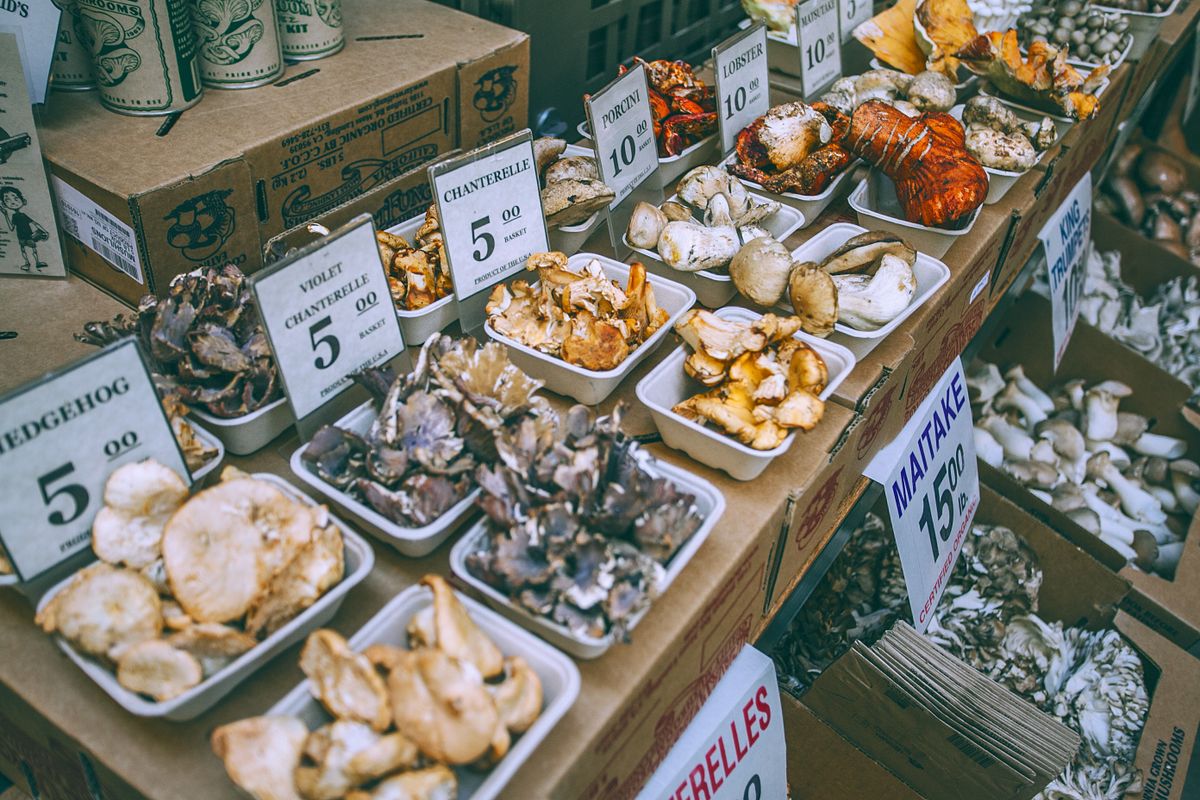
Oyster mushrooms are widely available fresh, dried, or as extracted supplement powders. The culinary form provides whole food nutrition including fiber, while concentrated extracts offer standardized beta-glucan content. For those interested in exploring oyster mushroom supplements, it is worth reviewing how to read a mushroom supplement COA to evaluate product quality and verify that beta-glucan content is accurately stated on the label.
The extraction method matters: hot water extraction preserves beta-glucans effectively, while alcohol extraction is better suited to capturing phenolic compounds and other non-polar constituents. Dual extraction products aim to capture both fractions.
What the Research Still Needs
While the evidence base for oyster mushrooms is encouraging, most mechanistic studies have been conducted in vitro or in animal models. Human clinical trials are limited in number, sample size, and duration. The research on cholesterol effects is among the better-supported areas, but even there, more rigorous randomized controlled trials are needed to establish clear clinical recommendations.
Bioavailability questions also remain: how effectively do active compounds from whole mushrooms or extracts survive digestion and reach target tissues in meaningful concentrations? Individual variation in gut microbiome composition may affect how beta-glucans are metabolized, adding another layer of complexity to predicting individual responses.
Oyster mushrooms represent a nutritionally compelling food with a growing body of scientific support. They are safe, widely available, and provide a spectrum of bioactive compounds that work through complementary mechanisms. As research matures, their role in evidence-based dietary guidance is likely to expand.
References
- Devi KS, Behera B, Mishra D, Maiti TK. Immune augmentation and Dalton’s Lymphoma tumor inhibition by glucans/glycans isolated from the mycelia and fruit body of Pleurotus ostreatus. Int Immunopharmacol. 2015;25(1):207-217. PMID: 25662752
- Schneider I, Kressel G, Meyer A, et al. Lipid lowering effects of oyster mushroom (Pleurotus ostreatus) in humans. J Funct Foods. 2011;3(1):17-24. doi:10.1016/j.jff.2010.11.004
Disclaimer: This article is for informational purposes only and does not constitute medical advice. The statements on this page have not been evaluated by the Food and Drug Administration. Mushroom supplements are not intended to diagnose, treat, cure, or prevent any disease. Consult a qualified healthcare provider before starting any new supplement regimen.